Zylstra Garage Door DIY: Step-by-Step Guide
A practical, step-by-step guide for homeowners tackling a zylstra garage door. Learn safety tips, tools, common fixes, and when to call a pro to keep your door reliable and secure.


With this guide you will diagnose, repair, and install a zylstra garage door safely. You’ll identify common symptoms, inspect torsion springs, tracks, and rollers, test door balance, and verify the opener’s safety features. Gather essential tools, wear PPE, and follow the step-by-step process to complete the job or determine when to hire a professional.
zylstra garage door: core characteristics
According to GarageDoorAdjust, homeowners rely on a sturdy zylstra garage door to secure the perimeter, insulate the garage, and support daily routines. In this guide, you’ll learn how to diagnose ordinary issues, safely perform repairs, and decide when a professional service is warranted. We walk through common symptoms, explain how the door system is built, and provide a practical, step-by-step approach that emphasizes safety and clarity. The overview also highlights how routine maintenance can extend life, reduce noise, and improve reliability.
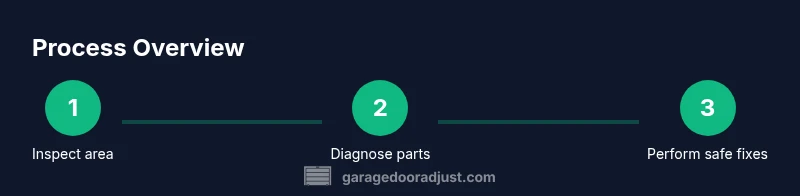
A zylstra garage door typically involves door panels, tracks, springs, rollers, hinges, cables, and an electric opener. Understanding how these parts work together helps you pinpoint where a fault originates. You’ll see how misalignment, friction, and worn hardware create symptoms like slow motion, binding near the ground, or unusual noises. This guide presents a careful workflow that starts with quick checks and progresses to deeper inspections, test routines, and safe correction measures.
Brand-context note: The GarageDoorAdjust Team emphasizes that safety is non-negotiable when working with heavy doors and high-tension springs. Always reduce risk by securing the door and power source before touching components.
Key components of a zylstra garage door system
A typical zylstra garage door system includes the door panels, tracks, rollers, springs, cables, hinges, and the opener. The balance between springs and the door weight is what makes manual lifting feasible, and the opener assists with consistent, effortless operation. When a fault occurs, symptoms like jerky movement, gaps in the track, or slow opening indicate where to look first. This section breaks down each component and explains how wear, misalignment, or corrosion can disrupt performance, so you can form a clear diagnosis without guessing.
Tracks should be vertical and parallel, rollers should roll smoothly, and springs should stay in place without fraying. If any part shows visible damage or excessive wear, plan for replacement with the correct part. The goal is to restore alignment, reduce friction, and ensure safe operation under both manual and powered modes.
Diagnostic checklist for common symptoms
Use this diagnostic checklist to separate opener problems from mechanical faults. Symptoms like slow movement, stopping mid-track, or loud grinding point toward track alignment, roller wear, or connector issues. A stiff or noisy door after a rainstorm may indicate moisture-related corrosion. When you observe binding near the floor, inspect the tracks and rollers for obstructions and verify that hinges are secure. Keep a simple log of symptoms and the conditions under which they occur to guide repairs and avoid redundant checks.
If the door won’t move at all, check the power supply to the opener, the safety sensors, and the battery (if it’s a screw or chain-drive model). A systematic approach helps you prioritize parts to inspect and prevents wasted effort on components that aren’t the source of the problem.
Safety first and when to hire a pro
Garage doors are heavy and springs store significant tension. Never work under a door that’s supported only by a single spring, and never disconnect the springs yourself unless you’re trained to do so. If you notice frayed cables, a gap in the track, or a door that sits crooked, stop and call a licensed technician. Safe handling includes using PPE, keeping hands clear of tracks, and ensuring the power is off before touching any electrical components.
This guide encourages a proactive approach: perform routine maintenance, identify wear early, and know when a professional should intervene—particularly with torsion-spring systems or when replacing cables. A pro can verify spring balance, tension, and safety reversal devices that are essential for child and family safety.
Authority sources
For safety and standards guidance, consult authoritative sources:
- OSHA: https://www.osha.gov
- CPSC: https://www.cpsc.gov
- Extension PSU: https://extension.psu.edu
Tools & Materials
- Safety glasses(Protect eyes from debris and spring release.)
- Work gloves(Improve grip and protect hands during handling.)
- Sturdy ladder(Reach high tracks and hardware safely.)
- Socket wrench set (metric/imperial)(Loosen bolts on tracks and hardware.)
- Adjustable pliers(Grip cables and adjust small fittings.)
- Screwdrivers (Phillips and flathead)(Remove panels and screws.)
- Lubricant (white lithium grease or silicone spray)(Lubricate tracks, hinges, and rollers.)
- Rags or shop towels(Clean residue and wipe surfaces.)
- Replacement rollers or springs (if needed)(Only replace with door-specific parts.)
- Torque wrench (optional)(Torque bolts to spec when replacing hardware.)
- Drill with bits (optional)(Speed up drilling and fastening.)
- Lockout/tagout kit (optional)(Disable opener safety features during work.)
Steps
Estimated time: 60-120 minutes
- 1
Power down and prepare the work area
Begin by unplugging the opener or disconnecting the power at the outlet or circuit breaker. Clear the area under the door and place the ladder securely. This reduces the risk of sudden movement and protects bystanders.
Tip: Use a lockout device on the circuit to prevent accidental re-energizing. - 2
Inspect tracks for alignment and obstructions
Look for dents, gaps, or debris in the tracks. Gently wipe them clean and verify the tracks are straight using a level. Misaligned tracks cause binding and uneven door movement.
Tip: If you see a slight bend, don’t force it—realign with proper fasteners and re-check. - 3
Check rollers, hinges, and hinges pins
Spin rollers by hand to feel for roughness or wobble. Tighten loose hinges and reseat any loose pins. Worn rollers can cause noisy operation and grinding.
Tip: Avoid forcing rollers; replace if they show visible wear. - 4
Assess torsion springs and cables
If springs show gaps, stretching, or uncoiled strands, assume high tension and proceed with caution. Do not attempt to unwind or adjust springs unless trained. Loose cables can also be dangerous.
Tip: Springs under tension require professional handling. - 5
Lubricate moving parts
Apply lubricant to tracks, rollers, hinges, and torsion bars to reduce friction and noise. Wipe away excess to prevent dust accumulation.
Tip: Use sparing amounts; too much lubricant can attract grime. - 6
Test manual operation and balance
Disconnect the opener and manually raise and lower the door halfway. It should hold its position without drifting. If it drops or sticks, inspect balance and spring alignment.
Tip: If door feels heavy to lift, balance is off and springs may need attention. - 7
Reconnect the opener and test safety features
Plug the opener back in and test the auto-reverse feature by placing an object in the door’s path. Check the ESP safety sensors (photo eyes) alignment and cleanliness.
Tip: Correctly aligned sensors ensure safe operation for people and pets. - 8
Document results and plan the next steps
Record what you found, what you repaired, and whether further parts replacement is required. If the issue persists or involves spring systems, schedule a professional service.
Tip: Keep a maintenance log for future reference.
Got Questions?
What is a zylstra garage door?
In this guide, a zylstra garage door refers to a standard residential garage door system; it is not describing a specific brand in this context. The principles apply to common sectional doors with standard components.
A zylstra garage door refers to a typical residential door system, not a particular brand in this guide.
How do I know if springs are broken?
Look for gaps in the coils, excessive noise, or a door that feels very heavy or won’t stay balanced when opened manually. Do not test springs by force; call a pro if you see any warning signs.
If you see gaps or the door is hard to lift, springs may be worn—call a professional.
Can I fix a noisy door myself?
Yes, often noise comes from dry rollers, tracks, or hinge pivots. Clean and lubricate these parts, and tighten any loose hardware. If noise persists, replace worn rollers or bearings.
You can usually quiet the door by lubricating parts and tightening hardware, but replace worn components if needed.
When should I replace the opener?
Consider replacing the opener if it’s old (more than a decade), frequently repairs are required, or it no longer safely reverses on contact. Newer openers offer stronger safety features and energy efficiency.
If the opener is aging or unreliable, upgrade to a newer model with safety features.
Is it safe to operate manually with the opener unplugged?
Yes. Unplugging disables the motor, allowing manual operation. Only do this for inspection and never force a door when it’s heavy or unbalanced.
Yes, you can operate manually if the opener is unplugged, but avoid forcing it if it’s hard to move.
What safety gear should I wear?
Wear eye protection and gloves during inspection. Keep kids and pets away from the work area, and ensure the door cannot close unexpectedly.
Wear safety glasses and gloves, and keep kids and pets away during work.
Watch Video
Quick Summary
- Inspect for alignment and wear before attempting repairs
- Disconnect power before any inspection to avoid accidental movement
- Lubricate moving parts to reduce noise and wear
- Test balance and safety features after any adjustment
- Call a pro for springs or cable work to preserve safety