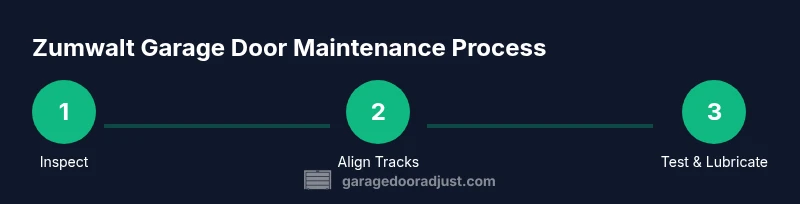
Zumwalt Garage Door: Step-By-Step Troubleshooting and Maintenance
Learn to diagnose, repair, and maintain a Zumwalt garage door with a practical, step-by-step guide. Safety, balance tests, track alignment, sensor checks, lubrication, and knowing when to call a pro are covered.


Goal: Diagnose and fix common problems with a Zumwalt garage door, including misalignment, opener issues, noisy operation, and sensor faults. You'll need basic tools, safety gear, and replacement parts appropriate for your door model. This guide covers checking springs and tracks, adjusting tension, testing safety sensors, lubricating moving parts, and reprogramming the opener.
Understanding the Zumwalt garage door system
Zumwalt garage doors are common in residential settings and typically combine a sectional panel design with a powered opener, tracks, rollers, and torsion springs. The balance between the door and springs allows the opener to lift it with minimal effort. If the door is heavy or stiff, it can indicate dry rollers, bent tracks, or worn weather seals. For Zumwalt models, verify whether the system uses a torsion spring shaft above the opening or extension springs along the sides, as this affects access and maintenance. Always unplug the opener and disconnect the door from the motor before inspecting. Inspect the tracks for dents, misalignment, or loose screws; these are frequent culprits in creaking noises or slow operation. Note the door’s age, condition of weatherstripping, and any recent changes in climate that could affect performance. With a basic understanding of how the Zumwalt door is built, you can perform safe, incremental checks to pinpoint the likely cause of a problem.
Safety first: essential precautions
Before handling any part of the door, unplug the opener from the wall outlet and secure the door in a partially raised position with clamps or a door stopper. Wear ANSI-rated safety glasses and sturdy gloves to guard against pinch points. Keep hands, fingers, and clothing away from the hinges, springs, and roller tracks. Never stand or work under the door if it is mainly supported by springs; torsion springs can release sudden energy. Use a stable ladder, well away from moisture, and keep bystanders clear during inspections. If you suspect a spring problem, do not attempt to adjust or replace it yourself. These components carry dangerous tension and require trained technicians. In all steps, work methodically and pause if any part feels unstable.
Common symptoms and what they mean
- Door moves slowly or stalls partway up or down – balance checks and track alignment should be examined; worn rollers or bent tracks could be the cause.
- Noisy operation (creaks, squeaks, grinding) – apply the right lubricant to hinges and rollers; avoid over-lubricating to prevent dust buildup.
- Door won’t open or close with the remote – check the opener power, battery in the remote, and sensor alignment.
- Door reverses before hitting the floor – safety sensors may be misaligned or blocked.
- Dirt, rust, or visible wear on springs – this is a sign to call a professional; spring systems require specialized tools and safety protocols.
A practical diagnostic flow for Zumwalt doors
- Disconnect the opener and test the door manually. If it remains balanced, the issue is likely with the opener or sensors rather than the door hardware. 2) Inspect tracks and rollers for dents and binding; straighten gently and tighten mounting screws. 3) Check the balance by lifting the door halfway and releasing; if it falls or stays up, springs or balance components may be out of spec. 4) Test the safety sensors by blocking the door’s path with a soft object; observe the sensor’s indicator lights and ensure they respond correctly to the beam. 5) Reconnect power and run the opener through a few cycles; listen for unusual noises and watch for binding. 6) If the door is not properly balanced or springs show wear, stop and call a pro.
Maintenance and preventive care
Regular maintenance keeps Zumwalt doors operating smoothly and safely. Schedule lubrication for hinges, rollers, and tracks every 6-12 months, more often in dusty environments. Use a silicone-based spray or white lithium grease and wipe away excess to prevent dust collection. Tighten visible mounting screws on tracks and brackets; replace weather seals that show cracks or compression. Clean tracks with a dry rag and remove debris; ensure the door runs along a straight line. Inspect the weatherstripping for wear and replace accordingly. Note: Do not adjust torsion springs yourself; this requires professional service.
When to call a professional
If the door refuses to balance, shows damaged tracks, exhibits violent spring tension, or sensor failures persist after basic troubleshooting, contact a licensed technician. This reduces the risk of injury and equipment damage. Provide model information and describe symptoms clearly; a detailed history helps technicians diagnose faster. If you hear popping, notice gaps in the track, or see the door lurch unexpectedly, stop and seek professional help to avoid further damage.
Replacement parts guide for Zumwalt doors
Use OEM parts or compatible equivalents. Common replacements include weatherstripping, rollers, end bearings, and track spacers. Always match the door model and color when ordering parts to ensure proper fit and performance. If in doubt, consult the user manual or contact a Zumwalt dealer for guidance. Prioritize safety and ensure you have the right tools before attempting any replacements.
Tools & Materials
- Safety glasses(ANSI Z87.1 rated)
- Work gloves(Protect hands during rough handling)
- Stepladder (6-8 ft)(Stable platform for reaching tracks)
- Socket set and wrenches(Sizes commonly used on tracks/hinges)
- Screwdrivers (Phillips and flathead)(Assorted sizes)
- Lubricant (silicone-based or white lithium)(Lubricate hinges, rollers, tracks)
- Rags/paper towels(Clean up excess lubricant)
- Clamps or door stops(Hold door steady during tests)
- Measuring tape(Check track alignment)
- Weatherstripping or weather seal(Replace if worn)
Steps
Estimated time: 60-90 minutes
- 1
Disconnect power and secure the door
Unplug the opener and manually raise the door about halfway. Use clamps or wedges to secure it in place. This ensures the door won’t drop unexpectedly while you inspect. Always verify the door is stable before proceeding.
Tip: Never work under a door supported only by springs. - 2
Check door balance manually
With the door secured, lift it to shoulder height and release. If it falls, springs or balance components may be off. If it stays put, the issue is likely with the opener or sensors.
Tip: A balanced door should hover and stay in place when released. - 3
Inspect tracks and rollers
Look for dents, bends, or loose screws. Use a level to confirm tracks are perfectly vertical and aligned. Tighten mounting screws if needed and gently realign any misaligned rollers.
Tip: Do not force bent tracks back into shape; replace if severely damaged. - 4
Test safety sensors
Block the door path with a rolled towel and observe the beam. The door should stop and reverse if it senses an obstacle. Clean sensor lenses and ensure proper alignment.
Tip: Sensors should flash during test; a solid beam may indicate misalignment. - 5
Lubricate moving parts
Apply a light coat of silicone-based spray to hinges, rollers, and the track joints. Wipe away excess to prevent dust buildup. Avoid getting lubricant on belts or pulleys.
Tip: Lubrication helps quiet operation and reduces wear. - 6
Reconnect power and test
Plug the opener back in and run several cycles, both manually and with the remote. Listen for abnormal sounds and watch for smooth operation. If issues persist, stop and call a pro.
Tip: If anything jerks or binds, do not force movement.
Got Questions?
What is a Zumwalt garage door?
Zumwalt garage door refers to a line of residential garage doors used by homeowners and installers. It can include various models with different spring configurations and openers. Always consult the model’s manual for model-specific guidance.
Zumwalt refers to a line of residential garage doors; check your model’s manual for specifics.
Can I diagnose issues myself?
Yes. Start with safety checks, balance tests, track alignment, sensor tests, and lubrication. If the door shows improper spring tension or binds during movement, stop and call a professional.
You can start with safety checks and balance tests; if springs or severe binding are involved, call a professional.
Is it safe to adjust tracks myself?
Lightly adjusting tracks for alignment is generally safer than spring work, but avoid bending tracks or loosening critical components. If misalignment persists, consult a pro.
Track alignment can be done safely in small steps, but don’t force bent tracks—seek a pro if unsure.
How often should I lubricate moving parts?
Lubricate hinges, rollers, and tracks every 6-12 months, or more often in dusty or humid environments. Use the right lubricant and wipe off excess.
Lubricate parts every 6-12 months and after heavy use or in dusty conditions.
What should I do if the door reverses during closing?
Check and clean safety sensors, realign beams if needed, and ensure nothing blocks the beam. If it continues, professional inspection is recommended.
If the door reverses, inspect sensors and beams; persistent issues require a pro.
Should I replace torsion springs myself?
No. Torsion-spring work is dangerous and requires specialized training and tools. Hire a licensed technician for spring replacement.
Spring work is dangerous—don’t do it yourself; hire a professional.
Watch Video
Quick Summary
- Always prioritize safety when working on a garage door
- Identify root causes before replacing parts
- Regular lubrication reduces wear and noise
- Do not attempt torsion-spring work unless trained
- Test sensors and balance after any adjustment