How to Garage Door: DIY Diagnosis, Repair, and Maintenance
Learn how to garage door with practical, safe steps for diagnosing issues, maintaining tracks and lubrication, balancing operation, and knowing when to call a pro. This educational how-to guide covers common problems, safety, and a clear maintenance routine.


This guide shows how to garage door problems with safe, practical steps for diagnosing balance, aligning tracks, lubricating moving parts, and testing the opener. You’ll learn essential safety measures, what tools you need, and when to escalate to a professional. Start by checking balance, tracks, and basic lubrication before testing the opener.
Why regular garage door maintenance matters
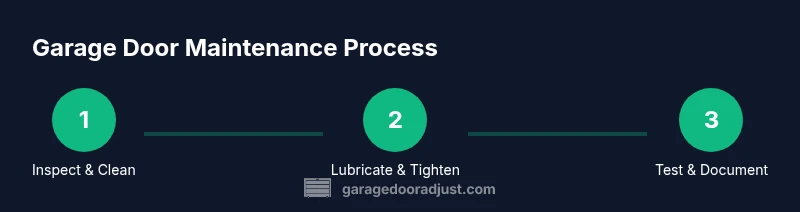
According to GarageDoorAdjust, regular maintenance reduces the risk of unexpected failures and extends the life of hinges, tracks, and springs. In practical terms, a proactive maintenance routine keeps your garage door operating more quietly, reduces wear, and improves safety for everyone at home. On a typical weekend, you can perform simple checks: inspect weather seals for drafts, wipe dust from tracks, and verify that the door opens and closes smoothly when the opener is unplugged. Establish a lightweight routine that covers lubrication, balance checks, track alignment, and sensor testing. While some tasks require specialized tools or expertise, many essential steps are accessible to most homeowners. The goal is to prevent problems before they become emergencies and keep the door balanced, aligned, and responsive to controls for daily use.
How a garage door works: components you should know
A garage door is a system of moving parts that includes torsion springs or extension springs, cables, tracks, rollers, hinges, a door panel, and an electric opener with safety sensors. Understanding how these components interact helps you diagnose why a door sticks, rattles, or won’t stay put. The spring system provides the energy to lift and lower the door; tracks guide motion; rollers and hinges allow smooth articulation; the opener handles remote control and safety features. Misalignment, worn rollers, or loose brackets can create symptoms you recognize quickly. Knowing these elements helps you decide which tasks are safe to DIY and which tasks require a pro.
Safety first: essential precautions before you start
Before you touch any part of the door, unplug the opener and disconnect power to the motor. Keep children and pets away from the work area, and wear safety glasses and gloves to protect your eyes and hands from moving parts. Use a sturdy ladder and never place fingers between moving components. If your door is heavy, unbalanced, or if you hear loud spring groans, stop and reassess. This section emphasizes safety over speed, because garage doors are heavy and can cause serious injury if mishandled.
Basic inspection checklist for a DIY maintenance session
A structured checklist helps you cover the essentials without missing key areas. Start with a visual inspection of weather seals for wear, then check track alignment for bends or gaps. Inspect rollers and hinges for rust, cracks, or looseness, and verify that all screws and brackets are tight. Test the door by hand after disconnecting power from the opener; it should lift smoothly and stay balanced at the midpoint. Finally, check the safety sensors: ensure they’re aligned and clean. Keeping a mental or written checklist helps you stay organized and avoid skipping important steps.
Common symptoms and safe, practical fixes
If the door is noisy, squeaks, or vibrates, lubrication and minor tightening can help. Clean and lubricate tracks, rollers, and hinges with a silicone-based lubricant; wipe away excess to prevent dust buildup. If the door doesn’t open or close completely, test the balance manually and ensure tracks are straight. Sensor misalignment can cause the opener to stop prematurely—realign them so the beams are parallel and unobstructed. Do not attempt to replace torsion springs or adjust tension yourself; those are high-risk tasks that require professional expertise. For most homeowners, the majority of symptoms come from wear, dirt, or loose hardware rather than hidden failures.
Lubrication, weather seals, and track care
Lubrication is essential for smooth operation. Apply a light coating of silicone-based lubricant to all moving metal parts, including hinges, rollers (not the tracks themselves), and the spring area if accessible from a safe position. Wipe off excess to avoid attracting dust. Weather seals should be examined for cracks or gaps; replace if damaged to improve energy efficiency and keep out moisture. Regularly inspect tracks for dents and ensure they are firmly mounted with no loose screws. Clean the tracks with a dry cloth to remove debris, then re-lubricate the rollers and hinges as part of a routine.
When to call a professional: recognizing limits
Some tasks—especially anything involving the torsion spring system, cables, or internal door components—present significant risk. If you hear abnormal groaning, observe misbalanced movement after lubrication, or see frayed cables, call a licensed technician. Electrical components like the opener can also pose shock risks; if you’re unsure about wiring or safety sensors, seek professional help. A professional can safely balance springs, replace worn components, and verify the overall system to prevent future failures.
Creating a maintenance log and schedule
Keeping a simple maintenance log helps you track what has been inspected, cleaned, or replaced, and when the next check should occur. Record dates, symptoms observed, parts replaced, and any measurements taken (such as light clearance or alignment checks). Use this log to plan future maintenance so you don’t miss important intervals. A consistent log improves safety, reduces the chance of repeated issues, and can be useful if you ever sell your home.
Authoritative sources and further reading
For additional safety guidelines and best practices, consult authoritative sources such as OSHA, university extension programs, and energy-saving resources. These references provide broader context about home maintenance, tool safety, and energy efficiency relevant to garage doors. Always verify information against up-to-date official guidance.
Tools & Materials
- Safety glasses(ANSI Z87.1 compliant)
- Work gloves(Leather or grip gloves)
- Stepladder(Stable, tall enough to reach the tracks)
- Screwdrivers (Phillips and flathead)(Magnetic tips help pick up dropped screws)
- Socket set / wrench set(For tightening brackets and hinges)
- Lubricant spray (silicone-based or garage-door lubricant)(Avoid WD-40 on tracks)
- Rags or paper towels(Wipe off excess lubricant and dust)
- Tape measure(Check clearances and alignment)
- Crank or bar (optional for manual test)(Helps with manual lifting if needed)
Steps
Estimated time: 1-2 hours
- 1
Park and power down
Park the door fully closed and unplug the opener to prevent accidental movement during inspection. If you have a manual disconnect, engage it and keep people away from the door while you work.
Tip: Have a helper hold the door or place a wooden wedge under the door for extra stability. - 2
Check door balance manually
With the opener unplugged, lift the door manually to about waist height. It should stay in place if balanced or move smoothly if lightly biased. If it falls or drifts, the balance is off and springs or hardware may need service.
Tip: If the door is difficult to lift or falls rapidly, stop and call a pro. - 3
Inspect tracks, rollers, and hinges
Visually inspect tracks for dents, bends, or misalignment. Check rollers and hinges for wear, cracks, or looseness, and tighten screws where needed. Ensure tracks are vertical and parallel to each other.
Tip: Use a flashlight to spot hairline cracks or rust that isn’t obvious from a distance. - 4
Lubricate moving parts
Apply a light film of silicone-based lubricant to hinges, rollers, and pivot points. Do not over-lubricate; wipe away any excess to prevent dust collection. Avoid getting lubrication on the belt or chain if present.
Tip: Lubricate only after cleaning, to prevent trapping dirt in moving parts. - 5
Reconnect power and test operation
Reconnect the opener and test the door by opening and closing slowly. Listen for grinding or scraping sounds and observe door travel—look for off-balance motion or track rubbing. Check safety eyes to ensure they are aligned and unobstructed.
Tip: If the door hesitates or stops unexpectedly, power down and inspect for obstruction or misalignment before trying again. - 6
Document findings and know your limits
Take photos of any wear, note dates of maintenance, and record any measurements you took. If you notice frayed cables, cracked tracks, or tense springs, stop and contact a professional. This step helps you plan future repairs and keeps your system safe.
Tip: Keep a running maintenance log and review it annually.
Got Questions?
What are the most common garage door problems?
Common issues include misaligned tracks, noisy operation, opener remote problems, and sensor misalignment. Start with track cleaning, tightening hardware, and lubrication before pursuing more complex fixes.
Common problems are track misalignment, noise, and sensor or remote issues. Begin with cleaning and tightening, then lubrication to see if performance improves.
Can I adjust balance or springs myself?
No. Torsion and extension springs carry high tension and can cause severe injury if mishandled. Leave spring adjustment and replacement to a licensed professional.
Spring work is dangerous. It's best to hire a licensed technician for any balance or spring adjustments.
How often should I lubricate tracks and rollers?
Lubricate moving parts as part of a regular maintenance routine, especially in dusty or humid environments. Use a silicone-based lubricant and avoid over-application.
Lubricate moving parts as part of routine upkeep, with silicone-based lubricant and no excess.
What safety steps should I take before starting repairs?
Unplug the opener, disconnect sensors, wear protective gear, and keep others away from the door. Work only on a stable ladder and never push on a moving panel.
Disconnect power and sensors, wear PPE, and keep others away. Use a sturdy ladder for stability.
When should I replace worn tracks or rollers?
If you notice persistent rubbing, significant wear, or deformation in tracks or rollers, plan replacement. Worn parts can cause binding and sudden door movement.
Replace worn tracks or rollers if you see visible damage or continued rubbing; don’t delay.
What tools do I need for basic maintenance?
A basic set of hand tools, a ladder, and a silicone-based lubricant are sufficient for most maintenance tasks. Keep a dry rag handy to wipe away excess lubricant.
Common hand tools, a ladder, and silicone-based lubricant cover most tasks.
Watch Video
Quick Summary
- Inspect tracks and balance regularly
- Lubricate moving parts to reduce noise
- Replace worn components only with professional help
- Maintain a maintenance log for ongoing care