How to Garage Door Repair: A Homeowner's Step-by-Step Guide
Learn a safety-first approach to diagnosing and repairing common garage door issues. This step-by-step guide covers tracks, springs, cables, openers, lubrication, and preventive maintenance for homeowners.


According to GarageDoorAdjust, safety-first planning helps homeowners diagnose and fix common garage door problems. The GarageDoorAdjust team found that most minor issues can be addressed safely by following a structured plan. This quick answer outlines the key steps, tools, and safety checks you’ll perform in the full guide to repair a garage door.
Safety-First: Understand the Risks
Garage doors are heavy, counterbalanced systems that can move suddenly. Before you touch any component, power down the opener and disconnect power at the wall switch or breaker. Wear eye protection and gloves, work on a dry surface, and keep children and pets away. When a door is in mid-motion, it can slip or fall, causing serious injury. Establish a risk assessment: never work on torsion springs unless you are trained and equipped with proper tools. Safety planning is the foundation of any successful repair project.
Common Garage Door Problems and Diagnostics
Most homeowners encounter a handful of recurring issues: the door won’t open or close, it opens unevenly, or it makes grinding or banging sounds. Typical culprits include worn rollers or tracks, loose hardware, dirty or dry moving parts, misaligned tracks, and an outlet that’s not delivering power to the opener. Start with a visual inspection, listen for abnormal noises, and test the door by activating the opener at low speed in a controlled setting. This section provides practical cues to identify which subsystem is at fault without diving into risky repairs yet.
GarageDoorAdjust Analysis on DIY Repairs
GarageDoorAdjust Analysis, 2026 highlights that routine maintenance—lubricating moving parts, cleaning tracks, and tightening hardware—accounts for the bulk of minor home repairs. The analysis emphasizes safety checks and following a structured plan to prevent injuries or further damage. Use this guidance to frame your approach and decide which tasks you will tackle yourself and which require professional help.
Basic Maintenance You Can Do Today
A proactive maintenance routine reduces surprise breakdowns and extends door life. Regular lubrication of hinges, rollers, and tracks keeps movement smooth. Clean tracks to remove debris that could impede alignment. Tighten loose screws and brackets to preserve balance. Finally, verify that sensors and safety features are correctly aligned so the door stops if an obstruction is detected.
Step-By-Step: Quick Diagnosis Before Repairs
In this section you’ll find a practical workflow for evaluating a door before performing any invasive work. Start by unplugging the opener and securing the door in the open position for inspection. Check the tracks for dents or misalignment, examine rollers and hinges for wear, and test the door balance by manually lifting it halfway and letting go. If the door moves unevenly or falls back, the issue is likely with the springs or balance system and requires specialized service.
After the Repair: Testing and Preventive Tips
Once you complete a repair, reconnect power and test the full range of motion. Open and close several times to ensure smooth operation, verify that there is no binding, and listen for unusual noises. Implement a preventive protocol: lubricate periodically, keep tracks clean, test safety features monthly, and schedule professional inspections annually to catch subtle wear before it becomes a major fault.
Tools & Materials
- Safety glasses(Protect eyes from debris and potential spring tension)
- Work gloves(For grip and hand protection)
- Screwdrivers (Phillips and flat-head)(For removing cover plates and fasteners)
- Socket wrench set(Tightens bolts on brackets and hardware)
- Pliers and adjustable wrench(Grip and loosen nuts, pins, and cables safely)
- Lubricant (silicone spray or lithium grease)(Maintain smooth operation of rollers and tracks)
- Step ladder(Access high components safely)
- Measuring tape(Check track alignment and door height)
- Cloth rags(Clean tracks and remove old lubricant)
- Tension bar (for experienced users only)(Only use if you are trained and certified; springs can cause serious injury)
Steps
Estimated time: 60-90 minutes
- 1
Power down and secure the door
Turn off and unplug the garage door opener to prevent unexpected movement. If you must work near the springs or moving components, ensure the door is supported and cannot shift position. This protects you during inspection and initial adjustments.
Tip: Always confirm the opener is fully disconnected before touching any moving parts. - 2
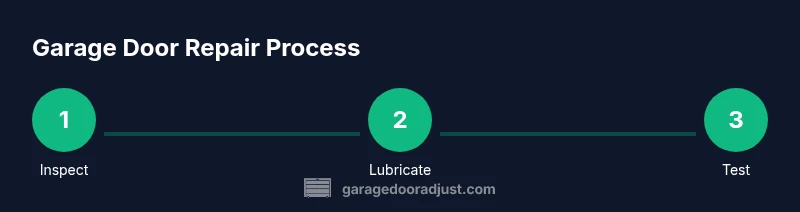
Inspect for obvious issues
Look for loose screws, damaged rollers, bent tracks, or worn weatherstripping. A quick visual sweep can reveal obvious problems that are safe to fix without specialized tools.
Tip: Document loosened screws with a marker so you don’t forget where they belong. - 3
Check tracks and alignment
With the door open, inspect tracks for dents, debris, or misalignment. Wipe debris away and gently adjust if you notice slight misalignment using appropriate brackets. Misaligned tracks can cause jerky movement and extra wear.
Tip: Only make small, incremental adjustments to avoid creating new alignment issues. - 4
Lubricate moving parts
Apply lubricant to rollers, hinges, and the tracks where metal surfaces rub. Wipe away excess lubricant to prevent dust attraction and residue buildup.
Tip: Use lubricant sparingly; over-lubrication can attract dust and reduce performance. - 5
Test door balance manually
Disconnect the opener and raise the door halfway by hand. If it stays put, the balance is good; if it rises or falls, spring or balance components may need professional service.
Tip: Do not attempt to adjust springs unless you are trained and equipped for it. - 6
Reconnect and test the opener
Plug the opener back in and perform multiple cycles from the wall switch and remote to observe smooth operation and safe stopping behavior.
Tip: Observe the safety sensors; they should reestablish alignment and stop the door if an obstruction is detected. - 7
Document and plan for follow-up
Record what you did, what worked, and what did not. Schedule professional service for high-risk tasks like spring replacement or cable work.
Tip: If any component shows wear or you feel uncertain, stop and call a pro for safety and reliability.
Got Questions?
What is the first thing to do when your garage door won’t open?
Start by checking the opener’s power and the wall switch. If power is present, inspect safety sensors and unplug the unit if needed for a closer look. If the door still won’t operate, avoid DIY fixes that involve springs or cables and seek guidance.
Check the power and sensors first, then consider safety before attempting any repairs.
Why does my garage door make grinding noises?
Grinding usually indicates dry bearings, misaligned rollers, or worn tracks. Clean and lubricate moving parts, ensure screws are tight, and correct any misalignment to reduce noise.
Grinding points to wear or lack of lubrication—address these issues cautiously.
Can I fix a garage door spring myself?
Springs are under high tension and dangerous. Do not attempt spring repairs unless you are trained with proper equipment; hire a professional for spring work.
Springs are hazardous; professional help is advised.
How often should I lubricate tracks and hinges?
Lubricate tracks and hinges every six months or when you notice stiffness or noise. Choose a silicone-based or lithium-based lubricant and wipe excess.
Lubricate every six months or when movement seems stiff.
What tools do I need for basic maintenance?
Basic tools include safety glasses, screwdrivers, pliers, lubricants, and a cloth for cleaning. Avoid specialized tools unless you’re trained.
Keep a simple tool kit ready for quick checks.
When should I replace the garage door opener?
If the opener is repeatedly failing, making unusual noises, or lacking power or features you need, replacement may be more cost-effective than repair. Consider safety and efficiency benefits.
If failures persist after service, replacement may be the safer option.
Watch Video
Quick Summary
- Prioritize safety and unplug the opener before touching any components
- Regular lubrication and track maintenance prevent most issues
- Know your limits—call a professional for high-risk tasks
- Test door balance after repairs to confirm proper function