Big Garage Door: Step-by-Step Diagnosis and Maintenance
Learn how to diagnose, repair, and maintain a big garage door safely with step-by-step guidance from GarageDoorAdjust. Identify common issues and learn when to call a pro.


According to GarageDoorAdjust, diagnosing a big garage door starts with safety and a clear plan. This article guides homeowners through step-by-step checks, from power isolation to track alignment and spring tension, then shows you when to repair versus call a pro. Use the provided tools and follow the step-by-step process for a reliable, safe fix.
What is a big garage door and why size matters
A "big garage door" typically refers to doors wider or heavier than standard single-car models. In residential settings, these doors protect large openings for commercial-size vehicles or homes with extra-wide driveways, and they place additional demands on the door system. The size increases the load on the springs, tracks, and opener, which affects balance, movement, and safety features. A large door often uses either torsion springs above the opening or extension springs along the sides; both systems store potential energy that helps lift the door. When the door is very large, any misalignment or worn component is magnified, making sudden drops more dangerous and movement noisier. Before you start any diagnostic or repair work, confirm the door's weight, width, and height so you can select the correct parts and set appropriate safety expectations. In many homes, a big door also requires heavier-duty hardware, larger rollers, and sometimes a more powerful opener. Throughout this guide, you will find practical steps for evaluating the system, identifying common failure points, and choosing safe repair options. The goal is to restore smooth operation while protecting people and property.
Common configurations and materials
Big garage doors use a few core configurations, with material choices driving durability and insulation. The most common systems are torsion-spring setups with a horizontal shaft or extension-spring designs at the bottom corners. Materials range from steel with foam insulation to wood or composite panels, aluminum for lighter weight, and fiberglass for durability in harsh climates. Each option brings trade-offs between strength, maintenance, and energy efficiency. Track geometry becomes more complex with wider doors, often requiring carefully measured vertical and curved sections to maintain smooth movement. When selecting a replacement, consider headroom for tracks, opening height, curb appeal, and the door’s insulation rating. GarageDoorAdjust emphasizes accurate measurements and compatibility with your opener’s capacity to prevent undue stress on components and ensure reliable operation.
Safety considerations for large doors
Large doors pose increased risks due to higher weights and stronger spring forces. Start every service with the door in a down position and ensure it is immobilized. Never try to force or manually balance a door under tension; this can trigger a dangerous collapse. Install safety features like photocell sensors and a properly functioning auto-reverse mechanism, and test them after any adjustment. Maintain clear zones around tracks and springs, and keep children and pets away during work. If you hear grinding, notice unusual jerking, or see misaligned panels, stop and reassess the situation. The GarageDoorAdjust approach prioritizes safety first—when in doubt, consult a professional rather than attempting high-tension repairs yourself.
Tools and preparation for diagnosis and repair
Before you begin, gather essential tools and safety gear to reduce risk. You’ll need a sturdy ladder, safety goggles, work gloves, a flashlight, a socket set, screwdrivers (Phillips and flathead), needle-nose pliers, a torque wrench if available, and silicone-based lubricant for metal moving parts. Have additional items like a chalk line for alignment checks and wooden blocks or clamps to temporarily secure the door. Prepare the workspace by clearing obstructions, turning off the garage door opener at the motor and disconnecting power at the breaker if you’ll be working near electrical components, and ensuring a second person is available to assist with manual tests. Double-check that you have the right parts if a replacement is necessary, especially springs, cables, and rollers. Remember, for big doors, precise measurements and proper torque are crucial to reliable operation. This guidance from GarageDoorAdjust aims to help homeowners perform safe, measured checks without improvising on critical components.
Step-by-step: overview of the diagnostic process
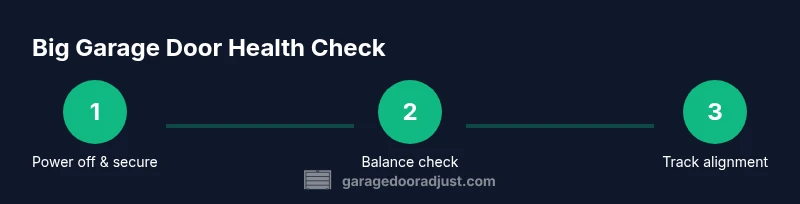
A thorough diagnostic begins with safety and an organized plan. First, disconnect power to the opener and secure the door from moving unexpectedly. Next, visually inspect tracks for dents, debris, or misalignment, and run the door manually with assistance to feel for binding. Then check balance by releasing the opener and ensuring the door stays in place at a few tested heights. Listen for unusual noises and observe the door’s reaction to partial openings and closings. Finally, verify safety sensors are aligned and test the auto-reverse function. If any high-tension components show signs of wear or if balance cannot be achieved with basic adjustments, consider professional evaluation to avoid injury and further damage.
Step-by-step: basic homeowner repairs
Begin with non-structural maintenance that doesn’t involve high-tension components. Tighten loose hardware along hinges, brackets, and track mounting points with appropriate tools. Clean tracks and rollers to remove dirt and debris; replace worn rollers if they drag or make noise. Lubricate moving parts with a silicone-based spray, avoiding petroleum-based lubricants on plastic shelves or seals. Check alignment after each adjustment by testing door travel and balance again. If the door remains heavy, reluctant to move, or shows signs of spring issues, stop and seek professional service. Always re-check safety features after any repair. This approach minimizes risk while maximizing the door’s longevity and performance.
Maintenance routines to extend life
Set a seasonal maintenance schedule to keep a big garage door operating smoothly. Visually inspect springs, cables, and hardware every 3–6 months for wear or corrosion. Lubricate tracks, rollers, hinges, and springs (if applicable) twice a year, using light silicone-based spray. Check weather seals along the bottom and sides and replace worn gaskets to improve energy efficiency. Clean and inspect the opener’s drive system and test reversing sensors monthly. Record maintenance dates and any parts replaced to track performance over time. A proactive maintenance plan reduces the likelihood of sudden failures and extends the door’s usable life.
When to call a professional and what to expect
If you encounter persistent misalignment, unusual noises, heavy door, or suspect a faulty torsion spring, contact a licensed garage door technician. A professional can safely assess tension, balance, and track integrity using industry-standard tools and procedures. When you call, provide the door dimensions, opening width and height, and any symptoms you’ve observed. A typical service visit includes a safety check, a balance test, inspection of springs and cables, track alignment, and a recommended repair plan with a cost estimate. For high-tension components, professional service is essential to prevent injury and ensure code compliance. The GarageDoorAdjust team recommends scheduling regular professional inspections as part of a comprehensive maintenance program to maximize reliability and safety.
Tools & Materials
- Safety goggles(Impact-resistant, ANSI Z87.1 compliant)
- Work gloves(Guard hands during metalwork and lubrication tasks)
- Sturdy ladder(Non-slip feet, secure placement, 6–8 ft height)
- Socket set(Sizes for track bolts or hinges (commonly 8mm–14mm))
- Phillips and flathead screwdrivers(Varied sizes for fasteners on hardware and brackets)
- Needle-nose pliers(Grip small components and bend wires safely)
- adjustable wrench(For nuts/bolts on brackets and hardware)
- Torque wrench(Optional for precise fasteners on mounts)
- Chocks or blocks(Stabilize the door when testing balance)
- Lubricant (silicone spray)(Use on metal parts; avoid petroleum-based products on serial plastics)
- Tape measure(Accurate door and track measurements)
Steps
Estimated time: 60-90 minutes
- 1
Disconnect power to the opener
Begin by turning off the door opener to prevent unexpected movement. If accessible, unplug the unit or switch off the circuit at the breaker. This ensures your safety while inspecting springs and tracks.
Tip: Always verify the power is off at the source before touching any electrical components. - 2
Check door balance with manual hold
With the door closed and secured, attempt to lift it manually to check balance. If it feels heavy or won’t stay in place, balance or spring issues may exist. Use clamps to prevent accidental movement during inspection.
Tip: Do not rely on the opener for balance tests; manual handling is essential for accuracy. - 3
Inspect tracks and rollers for wear
Look for dents, bends, or debris in vertical and horizontal tracks. Rollers should spin freely without dragging. Misaligned tracks often cause binding and noise.
Tip: If tracks are bent, avoid DIY fixes that risk further damage; mark misalignment and consult a pro. - 4
Inspect springs and cables with extreme caution
Visually inspect torsion springs or extension springs for wear, gaps, or broken coils. Do not attempt to adjust or replace high-tension springs yourself—this can cause severe injury.
Tip: Only professionals should adjust torsion springs; keep hands clear of springs during inspection. - 5
Test safety sensors and reversing mechanism
Displace objects in the sensor path to verify automatic reversal. A properly functioning sensor prevents doors from closing on objects or people.
Tip: If the door fails to reverse, stop and call a technician rather than forcing operation. - 6
Lubricate moving parts and re-test operation
Lightly lubricate tracks, rollers, hinges, and pulleys. Reconnect power and cycle the door to confirm smooth operation and correct balance.
Tip: Avoid over-lubrication; excess lubricant can attract dirt and worsen performance.
Got Questions?
Can I fix a big garage door myself?
Basic maintenance and non-load-bearing repairs are often doable for homeowners with proper safety precautions. For anything involving springs, cables, or high-tension components, consult a licensed technician. Always verify that power is disconnected before work and follow manufacturer guidelines.
DIY work is possible for simple maintenance, but avoid high-tension repairs; call a professional for springs or cables.
What are signs my door is unbalanced?
Consistent sticking, uneven gaps, rapid door closing or opening, or a door that doesn’t stay in place when lifted indicate balance issues. These symptoms often point to worn springs, misaligned tracks, or damaged rollers.
Watch for sticking, sagging, or door drift when you lift it halfway.
Is it safe to lubricate tracks and hinges?
Yes, lubrication helps, but use silicone-based lubricants and avoid petroleum products on plastic components. Clean away old residue first to prevent buildup.
Lubricate sparingly with silicone spray and keep the door clean.
When should springs be replaced?
Springs wear out with use. If you hear loud popping, see gaps, or the door feels very heavy, a professional should assess and replace springs as needed.
Springs are critical safety parts; replace them only with trained help.
Does insulation affect performance?
Insulation improves energy efficiency and reduces noise. If you have an attached garage or living space nearby, consider upgrading or replacing panels with better insulation.
Insulation helps energy savings and comfort in the garage area.
What should I expect during a professional service call?
The technician will diagnose balance, track alignment, and spring tension, then provide a recommended repair plan and cost estimate. Expect safety checks and a test of operation before leaving.
A pro visit includes diagnosis, repair plan, and a test run of the door.
Watch Video
Quick Summary
- Assess door balance and weight before attempts
- Inspect tracks and hardware for wear regularly
- Lubricate moving parts to reduce friction
- Test safety sensors after any adjustment
- The GarageDoorAdjust team recommends scheduling professional checks for high-tension components