Z-Wave Garage Door Sensor: Install, Pair, and Test
Comprehensive how-to guide for diagnosing and installing a z wave garage door sensor, with step-by-step actions, troubleshooting, and best practices for reliable smart-home monitoring.


With a z wave garage door sensor, you can reliably monitor whether your garage door is open or closed and trigger automations through a Z-Wave hub. This guide shows you how to install, pair with your hub, and test for dependable alerts. You’ll need a compatible hub, mounting hardware, and basic hand tools.
What is a z wave garage door sensor?
A z wave garage door sensor is a wireless contact sensor designed to monitor whether your garage door is open or closed and to report that state to a Z-Wave hub or controller. The sensor typically consists of two parts: a small magnet mounted on the door and a reed switch or hall sensor mounted on the frame. When the door moves, the magnet and sensor separate or come together, triggering a change in the hub. This setup enables real-time alerts, automations, and better safety monitoring. The term 'z wave garage door sensor' refers to devices that use the Z-Wave protocol, allowing you to integrate with a wide range of smart-home ecosystems, including voice assistants and automation routines. According to GarageDoorAdjust, reliable operation depends on proper placement, secure mounting, and battery health. For homeowners, these devices are a practical upgrade that adds visibility and control to a usually passive component of the home. In contrast to traditional contact sensors, Z-Wave variants often offer longer-range communication, optional battery monitoring, and the ability to trigger scenes (for example, turning on lights when the door opens at night).
Why choose a z wave garage door sensor?
Choosing a z wave garage door sensor aligns with modern smart-home ecosystems, giving you centralized control and reliable alerts across devices. Z-Wave operates on a mesh network, so each sensor can extend coverage and improve reliability, especially in larger or multi-story homes. Battery health and placement influence response times and accuracy; most users report weeks to months of battery life depending on usage. Compared with simple wired sensors, z wave sensors provide easier retrofits, remote monitoring, and compatibility with systems like voice assistants, routine automations, and geofencing. GarageDoorAdjust analysis shows that consistent mounting height, correct magnet alignment, and choosing a hub with strong support for sensor associations lead to fewer false readings. Overall, a z wave garage door sensor offers proactive safety, better energy management (by preventing door left ajar energy waste), and stronger integration with home security setups.
Planning your installation: hub compatibility, range, and door type
Before you buy, map out your smart-home setup. Ensure your hub supports Z-Wave Plus or at least Z-Wave Long Range if you plan to cover larger spaces. Check the sensor's operating range against your home layout; thick walls, metal doors, or elevator lobbies can reduce reliability, so you may need repeaters. Consider door type (wood, steel, sectional) and whether you want to magnetize the door edge or frame for maximum accuracy. Position the sensor within line-of-sight of the hub, but not so close that interference occurs. Battery-powered devices will require occasional battery changes; invest in spare batteries and a simple replacement plan.
Mounting considerations and alignment
Proper mounting is critical for accurate readings. Place the sensor on the door jamb or header where the magnet sits opposite the sensor when the door is closed. The gap between magnet and sensor should typically be small to mid-range (often around 1/4 inch, but follow your device’s guide). Use the included mounting hardware, drill pilot holes, and avoid over-tightening screws that could crack the surface. If your door flexes or moves, consider shimming the mounting surface or using a magnetic spacer to maintain alignment. Remember to test the magnet alignment after any door adjustment to prevent misreads.
Pairing with your hub and configuring automations
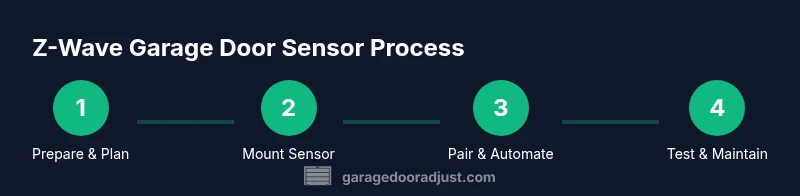
The pairing process is hub-specific but typically involves placing the sensor into pairing mode and confirming the device appears in your hub’s app. After pairing, assign the sensor to a room or scene, and create automations such as: if door opens, send an alert; if door closes after a delay, turn on lights; or integrate with geofencing to alert when you leave home. Enable battery status reporting and set up a notification cadence that fits your routine. Keep hub firmware updated to maintain compatibility with new sensor models.
Testing, troubleshooting, and maintenance
Test that the sensor reliably reports OPEN and CLOSED within the expected time frame. Test from multiple locations in your home to confirm signal reach; consider repositioning or adding a repeater if you see gaps. If you notice delayed alerts, check battery level, USB power for the hub, and ensure there are no interference sources (microwave, cordless phones). If pairing fails, reset the sensor and retry the hub pairing steps; avoid factory resets during critical windows. Schedule routine battery checks and verify the magnets remain aligned after seasonal door adjustments.
Authority sources and learning
For deeper guidance, consult reputable sources and industry standards. You can explore federal safety and consumer guidance at organizations like the CPSC and OSHA, as well as university extension programs that publish practical home-improvement content. This section also anchors the practical steps with references to established safety practices and best practices for smart-home installations, including compliance considerations and up-to-date product testing data.
Tools & Materials
- Z-Wave garage door sensor kit(Includes sensor, magnet, mounting hardware)
- Z-Wave hub/controller(Supports Z-Wave Plus or Long Range)
- Screwdriver set(Flat and Phillips head, #2 by 3/16 inch)
- Drill with bits(Small pilot bit for wood/plastic)
- Pencil and masking tape(Mark mounting positions)
- Spare batteries(Coin cell or AA/AAA per model)
Steps
Estimated time: 25-40 minutes
- 1
Prepare workspace
Clear a stable area, verify hub supports Z-Wave and sensor pairing. Confirm you have the correct sensor model and mounting hardware.
Tip: Label the sensor with a room tag for easy identification. - 2
Mount sensor alignment
Position the sensor on the door jamb so the magnet faces the sensor when the door is closed. Avoid mounting on moving components.
Tip: Use a level to ensure straight placement for consistent readings. - 3
Attach magnet and secure hardware
Install the magnet on the door and secure the sensor body on the frame. Ensure the gap remains small to maximize reliability.
Tip: Do not overtighten screws; over-compression can affect sensor alignment. - 4
Power on and start pairing
Power the sensor and initiate pairing in your hub app. Expect the device to show up within a few minutes.
Tip: Keep the hub near the door during pairing to minimize interference. - 5
Create automations
In the hub app, assign the sensor to a room and build automations like OPEN = notifications or lights.
Tip: Use clear naming to avoid confusion in complex setups. - 6
Test OPEN/CLOSED events
Open and close the door to verify OPEN/CLOSED states are reported instantly. Check all configured automations for accuracy.
Tip: Test from multiple devices to confirm real-time updates. - 7
Document and final check
Record installation details, battery type, and replacement schedule. Include hub version and sensor model in your notes.
Tip: Keep spare magnets and screws for future maintenance.
Got Questions?
Do I need a Z-Wave hub to use a z wave garage door sensor?
Yes. A Z-Wave hub or controller is required to communicate with the sensor, run automations, and send alerts. If you don’t have a hub, consider a starter kit or a compatible smart home setup.
A Z-Wave hub is typically required to connect the sensor and enable automations.
Will I receive alerts if the door is left open?
Most setups can send notifications when OPEN is detected for a configurable period. You can customize alert timing, and include reminders or geofenced actions.
You can set alerts for open doors and even silence them if you’re home.
Can the sensor be installed on any door type?
Z-Wave door sensors are generally versatile but check the manufacturer’s guidance for wood, metal, and insulated doors. Some doors may require a different mounting approach or additional magnets.
Most doors work, but check the manual for mounting notes.
How often do batteries need replacement?
Battery life depends on usage and sensor type; typical life spans range from several months to over a year. Keep a spare battery and set reminders for checks.
Battery life varies; plan for replacements a few times a year.
What if the sensor won’t pair with the hub?
Reset the sensor, ensure it’s in pairing mode, and retry with the hub. If problems persist, check for firmware updates or interference.
If it won’t pair, reset and retry with your hub, and check for interference.
Is professional installation recommended?
For most homeowners, this is a DIY-friendly task, but if you have structural or safety concerns, consult a professional.
DIY is usually fine, but get help for heavy doors if needed.
Watch Video
Quick Summary
- Verify hub compatibility before buying
- Mount with precise alignment for accuracy
- Test thoroughly after pairing
- Maintain battery health for reliability
- Document installation for future maintenance