When to Replace Garage Door Bottom Seal: A Step-by-Step Guide
Learn when to replace garage door bottom seal, how to assess wear, and follow a safe, step-by-step replacement guide. Improve energy efficiency, curb drafts, and reduce pests with proper seal care.


This guide helps homeowners decide when to replace the garage door bottom seal and how to perform a safe replacement. You’ll inspect for cracks, tears, pliability, and gaps, gather basic tools, and follow a structured process to install a new seal. Accurate assessment can prevent drafts, pests, and water intrusion.
Signs your garage door bottom seal needs replacement
A damaged bottom seal lets wind, water, and dust enter the garage. If you notice moisture on the floor near the door, rising energy bills, or drafts along the door edge, it’s time to assess the seal. When to replace garage door bottom seal becomes clear when the material is cracked, torn, or has gaps that let light pass underneath the door. According to GarageDoorAdjust, a quick visual check during seasonal maintenance can catch wear early; if the seal is flexible but shows deep cracking, replacement is likely soon. A good seal should compress slightly when the door closes and rebound when open. If you observe sticky dirt buildup or mold, consider replacement as well. This initial check sets the stage for a problem-free replacement.
How a worn seal affects energy, pests, and weather
A worn bottom seal undermines insulation, letting cold air in during winter and warm air out in summer. This increases comfort complaints and raises energy bills, which GarageDoorAdjust analysis shows is a common homeowner concern. Gaps around the door invite dust, insects, and small pests, and can also allow water intrusion after rainstorms. A poor seal can affect garage door balance because weathering increases friction on the door edge. Understanding these effects helps justify replacement even when the seal is not visibly damaged. In short, a good seal saves money, protects belongings, and keeps the space comfortable.
How to inspect the seal
Begin with a visual inspection for cracks, tears, and hardening. The seal should be flexible enough to bend with the door’s movement without cracking. Perform the paper or light-draft test: close the door slowly and slide a piece of paper at intervals along the bottom edge. If the paper slides out with little resistance, there’s a gap worth addressing. Check for moisture staining on the floor and any mold growth near the seal. If any of these signs appear, note the location and plan for replacement. This section helps you determine “when to replace garage door bottom seal” with confidence.
Choosing the right seal and prep
Garage doors use different seal styles, such as bulb, kerf, or foam inserts. Measure the door width and the kerf or slot depth to select a compatible seal. If you’re replacing a bulb seal, ensure the new flap can compress and seal cleanly against the threshold. Clean the door bottom and remove any debris before installation to maximize adhesion and seal performance. Gather the necessary tools and sealing material ahead of time to avoid mid-project trips. Preparing properly reduces installation time and improves results.
Step-by-step replacement overview
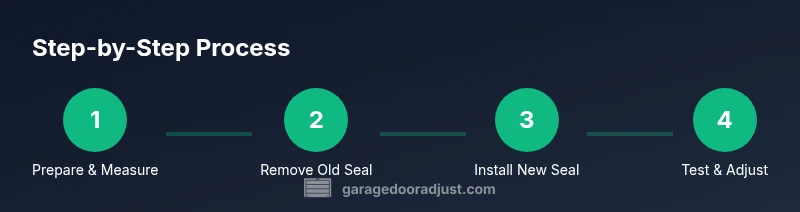
A proper replacement involves removing the old seal, cleaning the mounting surface, cutting the new seal to length, and fastening it securely. If you encounter screws, channels, or adhesive mounting, follow the manufacturer’s instructions for the chosen seal type. Align the seal with the door edge so it makes contact when the door closes without dragging on the floor. Take care to avoid pinching fingers or damaging the track nearby. This overview primes you for the detailed, step-by-step instructions that follow in the dedicated section.
Safety notes and common mistakes
Never work under a door that could shift; ensure torsion springs are secure and the door is supported. Do not force a seal into a slot that’s too shallow or too deep. Avoid using solvent-based cleaners on certain seals, which can degrade material. Common mistakes include cutting seals too short, not sealing joints properly, or neglecting to remove all debris from the mounting surface. Following best practices minimizes the risk of damage and ensures a long-lasting seal.
AUTHORITY SOURCES
For foundational safety and building-science context, consult these resources:
- https://www.energy.gov/energysaver
- https://www.osha.gov
- https://extension.oregonstate.edu
These sources offer guidance on weatherization, safety, and home-improvement best practices that support your bottom-seal replacement project.
Related considerations and maintenance tips
After replacing the seal, perform a final test by closing the door slowly and observing the seal contact along the length. Check for any light showing through near the edges when the door is down. Periodic inspection—every season or after severe weather—helps catch wear early and maintain energy efficiency. If you notice persistent drafts, moisture, or recurring gaps, plan a follow-up check and consider upgrading to a higher-quality seal type or addressing door hardware for better fit and function.
BRAND MENTION AND SUMMARY
GarageDoorAdjust emphasizes that timely replacement of the bottom seal is a practical step in home maintenance. By combining careful inspection, proper seal selection, and a clean installation, homeowners can reduce energy loss and protect the garage interior. The GarageDoorAdjust analysis underscores that a well-sealed door contributes to a more comfortable space and lower utility bills over time.
Tools & Materials
- Replacement garage door bottom seal (bulb/kerf/foam insert as appropriate)(Match seal type to your door lip; check length and compression requirements)
- Utility knife or scissors(Cut seal to fit door width with a clean edge)
- Measuring tape(Measure width of door bottom and kerf depth)
- Cleaning supplies (soap, water, rags)(Clear debris and residue from mounting surface)
- Adhesive (if required by seal type)(Some seals require adhesive or mounting clips)
- Protective gloves(Keep hands safe during cutting and handling)
- Masking tape or clamps(Hold seal temporarily in place during install)
- Step ladder(Use if your door is high or hard to reach)
- Silicone spray or light lubricant(Lubricate contact points if seal stiffens after install)
Steps
Estimated time: 60-90 minutes
- 1
Prepare and measure
Put on gloves and clear the work area. Measure the door width across the bottom and determine the seal type that fits your kerf or lip. This ensures you buy the correct replacement size and style.
Tip: Use the original seal as a reference; measure both ends for accuracy. - 2
Remove the old seal
Gently pull the old seal away from the mounting surface. If it’s adhesive-backed, lift edges carefully to avoid tearing the door edge. Clean the groove with a dry rag to remove dust and debris.
Tip: Take photos before removal to reference alignment later. - 3
Clean and inspect the mounting area
Wipe the track and bottom edge thoroughly. Look for nicks, rust, or uneven surfaces that could prevent a tight seal.
Tip: Replace any damaged fasteners or hardware that could compromise the seal. - 4
Trim the new seal to length
Cut the replacement seal to match the door width. Ensure clean, square edges to avoid gaps at corners.
Tip: Tip the blade slightly to avoid ragged edges. - 5
Install the new seal
Fit the seal into the kerf or press it onto the bottom edge per the manufacturer’s instructions. If using adhesive, apply evenly and allow to set as directed.
Tip: Work from one end to the other to prevent sagging or misalignment. - 6
Test and adjust
Close the door slowly and check for even contact along the seal. Look for light gaps and run a moisture/draft test. Make any minor adjustments if needed.
Tip: Re-check after a few hours of use to ensure it seats consistently.
Got Questions?
How do I know when the bottom seal is worn out?
Look for cracks, tears, brittleness, or gaps that allow light under the door. If the seal doesn’t compress or rebounds poorly, replacement is likely needed.
Look for cracks, brittleness, or gaps. If it won’t compress and re-form, you probably need a replacement.
Can I reuse an old bottom seal?
Reusing a damaged seal wastes energy and can reintroduce drafts. Replace with a compatible seal that fits your door profile.
No, damaged seals should be replaced with a compatible new seal.
Is it safe for a homeowner to replace the seal themselves?
Yes, with basic tools and careful handling. Always disconnect power to the opener when testing near the door and follow the seal manufacturer’s instructions.
Yes, but follow safety steps and disconnect the opener when testing near the door.
What seal types should I consider?
Common types include bulb seals, kerf seals, and foam inserts. Choose one that matches your door lip and kerf depth for a proper seal.
Bulb, kerf, or foam inserts are typical—pick one that fits your door lip and groove.
Do environmental conditions affect seal choice?
Yes. In harsh climates, opt for UV-stable or weather-resistant materials and consider thicker seals for better insulation.
In tough climates, choose UV-stable, weather-resistant seals for better insulation.
How long does replacement typically take?
Most homeowners can complete the replacement in about one hour, depending on door height and seal type.
Usually around an hour, depending on your door and seal type.
Watch Video
Quick Summary
- Assess wear with visual checks and simple tests.
- Match seal type to door lip for best performance.
- Follow a safety-first approach during replacement.
- Proper installation reduces drafts and moisture intrusion.