Garage Door Bottom Seals: A Complete How-To Guide
A practical, step-by-step guide to diagnose worn garage door bottom seals, select the right seal, install it correctly, and maintain it for energy efficiency and moisture protection.


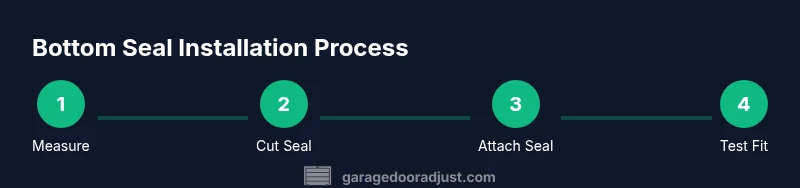
Quick answer: Replacing worn garage door bottom seals eliminates drafts, moisture, and dust entry. Start by identifying your door type and sealing material, then measure accurately, cut the new seal to fit, and install it following the method that matches your door. Finally, test the fit and adjust until the seal closes snugly without dragging.
What garage door bottom seals are and why they matter
Garage door bottom seals are flexible weatherstrips that sit along the bottom edge of a sectional or one-piece door. Their primary job is to seal the gap between the door and the concrete floor, preventing drafts, moisture, dust, and pests from entering your garage. Over time, seals wear from foot traffic, door movement, and temperature fluctuations, creating gaps that compromise comfort and energy efficiency. For homeowners, understanding the role of these seals helps you prioritize maintenance. When you see fishtailing edges, hard brittle material, or visible daylight at the gap, it’s time to inspect and potentially replace the seal. According to GarageDoorAdjust analysis, 2026, consistent sealing improves indoor comfort and reduces drafts when doors are closed, especially in climates with temperature extremes. A fresh seal also reduces debris intrusion, helping your flooring and stored items stay cleaner.
The bottom seal is not a cosmetic feature; it’s a functional weather barrier. Picking the right seal type for your door ensures a reliable seal that lasts through seasonal changes. In many homes, replacing the seal is a straightforward DIY project, but it does require careful measurement and a compatible seal profile. If you’re unsure about your door’s profile, start by removing a small section of the old seal to identify the attachment method and profile before buying a replacement.
How weather seals impact energy efficiency and moisture control
A properly installed garage door bottom seal minimizes air leaks that travel from the outside to inside your garage. Small gaps can drive up heating and cooling costs, especially if the garage is used as a workshop or living space. Seals also limit moisture intrusion, which is important for stored items, tools, and any adjacent living areas. When moisture enters, it can cause mold growth and damage to boxes, paints, and wood components nearby. In addition, a good seal reduces dust and pest intrusion, contributing to a cleaner, safer garage environment. GarageDoorAdjust Analysis, 2026 notes that sealing performance directly correlates with perceived comfort levels and long-term durability of flooring and shelving in attached garages. For homeowners, this means a relatively low-cost improvement that yields meaningful benefits over time.
When selecting a seal, consider climate, door type, and whether you want a self-adhesive or screw-on option. Adhesive seals are quick to install but may be less durable in high-traffic garages. Screw-on or mechanical channels tend to offer a longer lifespan in busy spaces. Whatever you choose, ensure the seal sits flat against the floor and doesn’t interfere with the door’s movement. A snug fit is more effective than a loosely attached strip that flexes or peels away.
Types of bottom seals: bulb, fin, and vinyl
Bottom seals come in several profiles, each with its own benefits and compatibility:
- Bulb seals: These are rounded, tubular profiles that compress against the floor to form a tight barrier. They’re great for dogged floors or uneven surfaces because the bulb can compress to fill gaps.
- Fin seals: These have a flexible fin that slides along the floor and creates a shield against drafts. They work well on smooth concrete and can handle moderate unevenness.
- Vinyl seals: A flat, flexible vinyl strip that sits in a track or under a lip. Vinyl is common for retrofit projects because it’s affordable and easy to install. It’s particularly effective on newer doors with compatible grooves.
Choosing the right profile depends on your door’s bottom groove, the floor surface, and how much movement your door experiences. If your door lacks a groove or track for certain seals, you’ll opt for adhesive or weatherstripping that sticks directly to the door edge. When in doubt, bring a sample of the old seal or a measurement to the hardware store to verify compatibility.
Compatibility and selecting the right seal for your door
Not all bottom seals fit every door. Sectional doors often use a bulb or fin profile that seats into a groove, while single-piece doors may rely on adhesive vinyl seals. To select correctly:
- Measure door width and thickness at multiple points to account for irregularities.
- Check the existing seal’s attachment method: screws, clips, or adhesive.
- Match the seal profile to the track or groove to avoid binding or gaps.
If you’re replacing the seal in a door with an automatic opener, ensure that the new seal doesn’t interfere with the opener’s safety sensors or the door’s travel limits. Many manufacturers publish recommended seal profiles for specific door models. For a DIY approach, bring a photo of the bottom edge and the existing seal to your local supplier. GarageDoorAdjust emphasizes selecting a seal that can compress slightly when the door closes to seal without pinching or sticking.
Signs of wear and when to replace
Look for visible cracks, tears, stiff or brittle material, flattening of the seal, or a consistent air draft along the bottom gap. The seal should bend and compress evenly as the door closes; if sections stay lifted or don’t make contact with the floor, replacement is warranted. If you notice moisture trails or mold near the door edge, it’s a clear sign that the seal is not performing adequately. In high-traffic garages, seals may wear out faster due to frequent contact with footwear and debris carried in by vehicles. Regular visual inspection—every season—helps you time replacement before the seal fails completely. For best results, replace the entire length rather than patching short segments, especially if the profile has started to deteriorate along its length.
How to measure for a replacement seal
Accurate measurement is crucial for a snug, long-lasting seal. Start by measuring the door width at the bottom in three places: left, center, and right. Use the smallest measurement to ensure the seal fits without binding. Measure the thickness of the door edge and the floor surface, noting any irregularities that could affect compression. If you’re replacing a seal with a groove, measure the groove depth and verify that the new seal’s bulb or fin will fit without forcing. When buying, you may find seals sold by length with pre-cut options; if not, buy a length slightly longer than your smallest measured width and trim it to fit. Keep the excess handy for minor future tweaks.
Choosing the right seal: material, size, and compatibility
Consider material for durability and ease of maintenance. Rubber or vinyl seals resist moisture and temperature changes; silicone-enhanced options offer better compression recovery. Your decision should balance cost against expected lifespan. For floor types prone to moisture, a fully integrated seal with a durable backing performs better than a flimsy adhesive strip. Check that the seal has a smooth finish; any rough edges can abrade the door edge or floor. Finally, verify compatibility with any existing weatherstripping around the door perimeter to ensure a continuous seal around the entire opening.
Tools, materials, and prep before starting
Before you begin, gather the right seal profile, a tape measure, scissors or a utility knife, cleaning supplies, and protective gloves. Clear the immediate area of tools and debris, and ensure the door is in a safe, balanced state. If you’ll use screws, have a screwdriver or drill ready; if you’re using an adhesive seal, keep a clean rag and solvent handy for cleanup. A helper can be very useful to hold the door steady during removal and installation. Finally, review the manufacturer’s instructions for any door-specific requirements and safety cautions.
Installation overview: adhesive vs screw-on seals
Two main installation methods dominate: adhesive-backed seals and screw-on, track-mounted seals. Adhesive seals are typically easier and faster to install but may wear sooner in high-traffic garages or extreme temperatures. Screw-on seals require aligning holes and securing with screws, offering a more durable connection but needing precise alignment. For doors installed in damp or muddy environments, a seal designed for exterior use will perform longer. Regardless of method, ensure the seal sits flush along the entire bottom edge and that there is no resistance as the door travels through its full range of motion.
Post-install checks and adjustments
After installation, test the door by closing it slowly and observing the contact along the bottom edge. Look for gaps, binding, or rubbing, and adjust the seal’s position as needed. Run a simple moisture and draft test by placing a sheet of paper near the bottom edge and closing the door; if the paper slips out easily, the seal isn’t tight enough. Re-check the attachment points, and ensure screws or adhesive still hold firmly after several cycles. If the door drags, the seal might be too thick, or the door may need alignment adjustments.
Maintenance tips to extend seal life
Keep the seal clean and free of dirt, which can reduce its ability to seal. Clean with a mild detergent and water; avoid harsh solvents that can degrade rubber or vinyl. Periodically inspect for tears or cracking, especially after cold snaps or heat waves. If you notice stiffness or loss of elasticity, consider a seal with better temperature tolerance. Store spare seals in a dry place and trim only what you need during replacement to avoid wasting material.
Safety considerations and best practices
Always disconnect or disable the garage door opener before working on seals to prevent accidental movement. Use gloves to protect your hands from sharp edges and tools. If your door is heavy or unbalanced, seek assistance or consult a professional; an unbalanced door can cause injury during testing. Work on a dry, well-lit surface and avoid standing under a door that could drop unexpectedly. Finally, follow all manufacturer instructions for your specific door model and seal profile.
Tools & Materials
- New garage door bottom seal (matched to your door profile)(Choose bulb, fin, or vinyl according to your door’s groove or edge design)
- Measuring tape(Measure width at bottom edge and note the smallest clearance)
- Utility knife or scissors(For trimming seal to length; keep a sharp blade)
- Isopropyl alcohol or mild cleaner(Clean the groove and floor surface before applying adhesive or seating the seal)
- Clean rags or paper towels(Dry and wipe surfaces thoroughly after cleaning)
- Screws and screwdriver or drill (if screw-on seal)(Only needed if the seal uses a screw-on attachment)
- Adhesive sealant or double-sided adhesive tape (if self-adhesive seal)(Use as directed by the seal manufacturer)
- Gloves(Protect hands from sharp edges and rough surfaces)
- Masking tape (optional)(Helpful for marking alignment during installation)
Steps
Estimated time: 1.5-2 hours
- 1
Prep the work area
Clear the area around the door and disconnect the opener if necessary. Open the door fully and secure it so it cannot move during the replacement. This prevents accidental injury and gives you a stable work surface.
Tip: Have a helper hold the door if it’s heavy or unbalanced. - 2
Remove the old seal
Inspect how the old seal is attached—screws, clips, or adhesive. Loosen and remove attachments carefully and peel away the old seal. If any residue remains in the groove, remove it with cleaned and cloth towels.
Tip: Take a quick photo of the attachment method for reference. - 3
Clean the groove and floor
Wipe the groove and floor area with isopropyl alcohol or a mild cleaner. Allow the surface to dry completely before installing the new seal to ensure strong adhesion or proper seating.
Tip: Dry fit the seal first to confirm fit before committing to adhesion. - 4
Measure and cut the new seal
Measure the door width with the smallest clearance in mind and cut the seal slightly longer to ensure full contact. Score and trim with a sharp knife to avoid uneven edges. Avoid making the seal too short, which creates gaps.
Tip: Cut gradually and test alignment after each trim. - 5
Dry-fit the seal
Place the seal along the bottom edge without fully attaching to verify alignment. Check each end and center for even contact with the floor. Ensure there are no twists or kinks that could hinder movement.
Tip: Use masking tape to hold sections temporarily if needed. - 6
Attach the seal
Secure the seal with screws if required, or apply the adhesive according to the manufacturer’s directions. Ensure a continuous contact along the bottom edge without gaps.
Tip: Do not overtighten screws; this can distort the seal. - 7
Check clearance and movement
Slowly close the door and observe the seal. Look for binding, rubbing, or lifted sections and adjust as needed. If the seal is too thick, trim a little more and re-check.
Tip: Test at multiple points along the length to ensure uniform contact. - 8
Test airtightness
Close the door on a sheet of paper or a thin cardboard to verify a snug fit without tearing the material. If the paper slides out easily, the seal needs re-adjustment.
Tip: Repeat this test at both ends and the center. - 9
Lubricate nearby moving parts
Apply a light silicone-based lubricant to any hinges or rollers as needed. Do not lubricate the seal itself, which can degrade the material.
Tip: Keep lubricant away from the sealing surface. - 10
Final test and alignment
Open and close the door 5–10 times to confirm consistent sealing and no movement issues. Re-tighten any fasteners if needed and confirm the door operates smoothly.
Tip: If you notice persistent binding, re-check alignment or consult a pro. - 11
Clean up and store extra materials
Tidy tools and debris; store any spare seal material in a dry location for future repairs. Make a quick note of the seal type and replacement date for maintenance.
Tip: Keep a small stock of seal samples for future replacements. - 12
Document and schedule maintenance
Record the seal type, installation date, and any observations. Schedule regular inspections, ideally at least once a year, to catch wear early and maintain performance.
Tip: Create a simple reminder in your calendar for annual checks.
Got Questions?
Can I replace only part of the bottom seal?
In some cases you can replace a damaged section if the profile allows, but mismatched sections can create gaps. Replacing the full seal is often more reliable when the profile shows widespread wear.
You can sometimes swap a damaged section, but for best results replace the whole seal if the profile is worn along its length.
What types of bottom seals are available?
Common bottom seal styles include bulb, fin, and vinyl. Each profile fits specific door grooves or edges, so choose based on your door’s design and floor surface.
There are bulb, fin, and vinyl bottom seals; pick the one that matches your door and floor best.
How long does installation take?
Installation duration varies with door type and seal profile but is typically manageable for a DIY project in a weekend or afternoon, depending on your setup.
Most people complete it within a few hours, depending on door type and tools available.
Do I need to call a professional?
If your door is unbalanced, heavy, or the seal installation involves electrical components near the opener, it’s wise to hire a pro.
If the door is unbalanced or you’re unsure about the mechanism, consider a professional.
How can I tell if the seal is properly installed?
The door should close smoothly with a snug seal along the entire bottom; no daylight should appear at the closed edge and no binding should occur.
When it’s properly installed, the door seals evenly all along the bottom and there’s no daylight.
Will replacing seals save energy?
Yes, a well-sealed bottom reduces drafts and moisture intrusion, contributing to improved comfort and potentially lower energy usage.
A good seal helps with comfort and warmth, which can translate to energy savings.
Watch Video
Quick Summary
- Inspect seals seasonally to catch wear early.
- Choose the right profile for your door and floor surface.
- Test seal fit thoroughly after installation to ensure no gaps.
- Follow safety steps and manufacturer guidelines for best results.