Overhead Garage Door Bottom Seal: Install or Replace
Learn how to install or replace the bottom seal on an overhead garage door. This step-by-step guide covers tool lists, safety tips, and maintenance to keep your garage draft-free and energy-efficient.


You’ll replace or repair the bottom seal on an overhead garage door by inspecting the seal, cleaning the track and jamb, and fitting a new weather-stripping seal that matches your door. Essential steps include measuring the door width, removing the old gasket, and installing a new vinyl or rubber seal flush with the floor to stop air, dust, and pests.
Understanding the bottom seal and its role on overhead garage doors
The bottom seal, often called a weather seal, sits at the floor line along the bottom edge of an overhead garage door. Its primary job is to block drafts, dust, moisture, and pests from entering the garage while helping to keep conditioned air inside. A worn or misaligned seal can cause cold air to seep in during winter and warm air to leak out in summer, making your heating and cooling work harder. Over time, exposure to weather, door movement, and debris can compress, crack, or detach the seal from the track. When that happens, you’ll notice increased condensation at the threshold, more floor wear near the doorway, and higher energy bills. Replacing or repairing the seal is a common maintenance task homeowners perform to restore energy efficiency and protect stored items. In many cases, a properly selected, correctly installed bottom seal will also reduce drafts and pest intrusion without requiring a full door replacement. The right seal should match your door’s profile and fit the track groove snugly, ensuring a tight seal when the door is closed.
According to GarageDoorAdjust, consistent inspection of the seal can prevent small drafts from turning into bigger energy losses, especially in harsh climates. Regular checks also help you catch wear early, before the seal begins to leak or rip due to door movement. A well-sealed door contributes to a more comfortable garage workspace and preserves floors and stored belongings from moisture-related damage.
If you’re unsure about the seal type or its profile, consult the label on your current seal or measure the groove width to guide your purchase. A correctly selected seal will last longer and perform better than a makeshift fix.
Choosing the right seal for your door
There are a few common bottom-seal configurations for residential overhead doors. The most typical options are vinyl bulb seals and vinyl or rubber T-seals that sit in the groove along the door’s bottom edge. Some doors use a metal or aluminum threshold with a flexible rubber insert. The key selection criteria are the door’s width, the groove profile, the degree of exposure to weather, and how the door closes against the floor. When choosing a seal, look for:
- Correct profile: match the seal’s shape to the groove and to the floor clearance when the door is closed.
- Width compatibility: ensure the seal spans the full width of the door with minimal gaps at corners.
- Material durability: vinyl and rubber blends are common for residential use and resist aging, tearing, and compression.
- Compatibility with accessories: some seals integrate with side weatherstrips or a threshold gasket for enhanced insulation.
If you live in a very cold or humid climate, a denser material may provide better insulation, while milder climates may get by with a standard vinyl seal. The selection should balance ease of installation, durability, and cost. GarageDoorAdjust often recommends starting with a standard vinyl or rubber bottom seal that matches your door width and groove profile, then moving to a higher-grade option if drafts persist after replacement.
Measuring for the right seal and planning
Before buying a new bottom seal, take careful measurements and plan the installation steps. Start by measuring the total width of the door’s bottom edge, including any bends or corners where the seal needs to bend with the door as it closes. Note the groove width inside the door track and the height of the bottom edge relative to the floor. If your door has a threshold, measure its height as well to ensure the new seal will sit flush when the door is closed. Compare these measurements to the seal’s product specifications—many manufacturers list the suitable door widths and groove profiles on the packaging.
Plan for a clean installation environment: remove clutter from the doorway, protect the floor, and have your tools ready. A dry, dust-free groove helps the seal seat evenly, reduce air leakage, and prevent premature wear. If you’re replacing weatherstripping on multiple doors, consider labeling pieces by door to avoid confusion during reassembly. As you measure, confirm whether the bottom edge is perfectly level; if not, you may need to plane the substrate or adjust the door alignment before replacing the seal. According to GarageDoorAdjust, precise measurement and alignment are the foundations of a durable seal that resists wind-driven rain and pests.
Finally, budget for a small amount of spare seal material. If you cut the seal too short, you’ll need to reorder. If you cut too long, you can trim later, but it may require re-seating. The goal is a seal that runs the full width of the door with no gaps at the ends.
Safety and preparation for seal replacement
Working with overhead doors carries some risk, especially when you access tracks, springs, or openers. Begin by disconnecting the garage door opener from power to prevent unexpected movement, and ensure the door is fully closed before you work near the bottom edge. Wear gloves to protect your hands from sharp edges or metal components, and use eye protection when cutting or trimming seal material. Clear the area under the door so there’s a safe, flat working space, and lay down a drop cloth to catch debris. If your door uses a torsion spring, avoid attempting any adjustments to the spring mechanism yourself; this is specialized work best left to a professional.
With the opener disconnected, check that the door’s balance is reasonable and that there’s no binding in the tracks or rollers. A stiff or jerky door can indicate alignment issues that should be resolved before you replace the seal. Finally, inspect the track grooves for cracks, rust, or old adhesive that could keep the new seal from seating properly. Proper safety and preparation set the stage for a successful seal replacement that lasts for years.
Tools and materials overview (physical prep and options)
Having the right tools on hand can dramatically speed up the process and reduce mistakes. The following list covers essentials and optional aids. Start with the essentials and add optional items if you encounter installation challenges.
- Measuring tape — essential for sizing the seal to door width and groove width.
- Utility knife — used for trimming older material and precise cutting of the new seal.
- Screwdriver set — helps remove any fasteners along the threshold or track and may assist reseating the bottom edge.
- New bottom seal kit (vinyl or rubber) — the core component; ensure the profile matches your groove and door width.
- Cleaning supplies (rag, mild soap, water) — necessary to remove dust and adhesive from the groove so the new seal seats evenly.
- Scissors or tin snips — for trimming excess seal length to fit exact width.
Optional but helpful:
- Masking tape — can hold seal sections temporarily during installation.
- Caulk or weather-seal adhesive — sometimes used to secure the ends or fill gaps along the threshold.
Authority sources and references
For best-practice guidance and safety considerations, you can consult industry-standard sources:
- Energy.gov weatherstripping and sealing resources: https://www.energy.gov/energysaver/weatherstripping-windows-and-doors
- OSHA standards and safety guidelines: https://www.osha.gov/laws-regs/regulations/standardnumber/1910/1910.305
- Extension service publications on weather sealing and home maintenance: https://extension.illinois.edu/housing/repairing-weatherstripping
These resources reinforce the importance of proper installation, material compatibility, and safety when replacing an overhead garage door bottom seal. The GarageDoorAdjust Team emphasizes careful measurement, correct profile selection, and a clean groove to achieve a durable, energy-saving seal.
Step-by-step practical installation overview
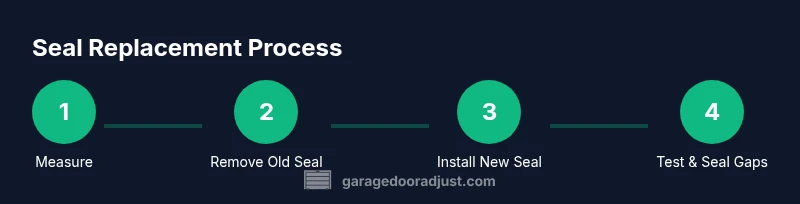
A complete seal replacement follows a clear sequence: measure, remove old seal, clean groove, install new seal, trim ends, and test the door. Starting with accurate measurements prevents waste and fits the seal snugly. Removing the old gasket prevents debris from interfering with seating. Cleaning the groove ensures the seal adheres uniformly and seals effectively. When you install the new seal, press it evenly along the groove and into the corners to avoid gaps. Trim the ends so they butt up cleanly to the door jamb without causing interference with the door’s movement. Finally, test the door by operating it several times to verify a tight seal at all contact points and confirm there are no air leaks or binding.
This approach minimizes the risk of future seal failure and helps extend the life of your door and HVAC system. Remember to recheck periodically—subtle shifts in track alignment or floor settling can affect seal performance even after a successful installation. Safety remains a priority: never modify torsion springs or other high-tension components while replacing a bottom seal; consult a professional if you suspect any structural issues.
Tools & Materials
- Measuring tape(At least 25 ft; measure door width and groove width)
- Utility knife(Sharp blade for removing old seal and trimming new seal)
- Screwdriver set(Flat-head and Phillips for fasteners along threshold/track)
- New bottom seal kit (vinyl or rubber)(Match the door width and groove profile)
- Rags and mild detergent(Clean the track groove and remove adhesive)
- Scissors or tin snips(Trim excess seal length to fit perfectly)
Steps
Estimated time: 45-60 minutes
- 1
Measure door width and select seal
Use a tape measure to determine the total width of the door’s bottom edge and the groove width. Compare these measurements to the seal profile, selecting a vinyl or rubber seal that matches. Record measurements for reference and ensure you have enough material to cover the full width without gaps.
Tip: Buy a little extra length (6–12 inches) to accommodate trimming and errors. - 2
Remove the old bottom seal
Grasp the existing seal and pull it away from the groove. If it resists, carefully cut along its length with a utility knife and peel it out in sections. Avoid gouging the track or painted surfaces.
Tip: Take your time to avoid damaging the track or frame. - 3
Clean the track and jamb
Wipe the groove and bottom edge with a damp rag to remove dust and adhesive residue. Let the channel dry completely before installing the new seal. A clean groove ensures the seal seats evenly and seals properly.
Tip: A clean surface prevents stretching or tearing of the new seal. - 4
Install the new seal in the groove
Push the new seal into the groove from one end, pressing it evenly along the entire length. Ensure the bottom edge sits flush with the floor when the door is closed. If the seal doesn’t seat fully, reposition slightly and re-press.
Tip: Use masking tape to hold sections temporarily while you press the seal into place. - 5
Trim ends to fit
Trim excess length so the seal ends meet cleanly at the door jambs without overlapping. Recheck the width after trimming and adjust as needed. A precise cut prevents gaps at corners that could leak air.
Tip: Cut slowly and verify fit after each trim. - 6
Test door operation and seal
Close the door and inspect for gaps along the bottom and sides. If you see light or feel drafts, adjust the seal height or add minor side weather-strips. Reopen and recheck movement to ensure the seal does not drag on the floor or interfere with the door’s travel.
Tip: Lubricate moving parts separately; avoid lubricating the seal surface.
Got Questions?
What is a bottom seal and why is it important?
The bottom seal blocks drafts, moisture, and pests at the door’s threshold, improving energy efficiency and protecting stored items. Worn seals create drafts and can lead to higher utility bills.
A bottom seal keeps your garage dry and warm by blocking drafts when the door is closed.
Can I replace the seal myself or should I hire a pro?
Many homeowners can replace a bottom seal with basic tools and careful measurement. If you encounter torsion springs, a misaligned track, or persistent leaks after replacement, consider professional help.
You can often DIY, but seek a pro for springs or major alignment issues.
How do I know what seal to buy?
Match the seal profile to the groove and door width. Consider climate and trailer wear; vinyl or rubber options are common for residential doors.
Choose the seal that fits your groove and door width, and consider climate needs.
How long does a bottom seal last?
Lifetime varies with climate, use, and quality, but inspect annually and replace when you notice cracks, gaps, or reduced friction against the floor.
Inspect annually; replace when you see cracks or gaps.
Will a new seal improve insulation and energy bills?
A good seal reduces drafts and heat loss, contributing to better climate control and potentially lower energy use.
Yes, a proper seal helps with insulation and can lower drafts.
What tools do I need for replacement?
Measuring tape, utility knife, screws or screwdriver, new bottom-seal kit, cleaning supplies, and trimming scissors or tin snips.
You’ll need basics like measuring tape, a knife, and the new seal kit.
Watch Video
Quick Summary
- Measure accurately before buying the seal.
- Clean the groove thoroughly for a proper seat.
- Install seal flush with the floor for best performance.
- Test and adjust to eliminate air gaps.
- Choose a durable vinyl or rubber seal suited to your climate.