Garage Door Track Seal: A Step-by-Step Repair Guide
Learn how to diagnose, replace, and maintain your garage door track seal to stop drafts, reduce noise, and improve energy efficiency with a practical, step-by-step guide from GarageDoorAdjust.


You can restore weather sealing and smooth operation by inspecting, cleaning, and replacing a worn garage door track seal. Start by locating the seal along the bottom and sides of the door, removing debris, and checking for gaps. In most homes, a DIY replacement saves money and reduces drafts while improving energy efficiency.
Why the garage door track seal matters
A tight track seal is the first line of defense against drafts, dust, insects, and moisture entering your garage. The seal runs along the bottom edge of the door and sometimes along the vertical tracks, creating a flexible barrier when the door meets the frame. A worn or misaligned seal can leave gaps that allow cold air in during winter and hot air in summer, increasing heating and cooling costs. Over time, friction with the moving door can cause the seal to degrade, chip, or bunch, leading to noise and uneven closing. Regular inspection helps you catch wear before it affects operation. According to GarageDoorAdjust, taking a proactive approach to seal maintenance saves money and extends the life of your door by minimizing strain on rollers and tracks. In addition to energy savings, a good seal improves security by reducing the chance that small objects slip into the gap and jams the door. If you’ve recently tackled weather stripping or door insulation, you already know that a properly installed track seal complements insulation and reduces condensation around cold-weather hinges.
Pro-tip: schedule a quick seal check every spring and fall to stay ahead of wear and temperature-related expansion.
Signs that your track seal needs replacement
The track seal isn’t built to last forever. Look for visible cracks, hardening, or tearing along the bottom edge. If you notice increased drafts, dust accumulation near the threshold, or a noticeable gap when the door is closed, the seal may be failing. Listen for more metal-on-metal noise when the door closes; that can indicate the seal is no longer keeping the gap tight. Warping or compression at corners means the seal isn’t seating properly, which can strain the door’s balance and affect performance. Temperature swings can also reveal weaknesses: drafts near the base during winter or increased condensation around the track in humid months point to seal deterioration. Regular inspection helps you catch wear early, reducing the likelihood of further damage to rollers, springs, or the track.
Note: even a small crack can let rainwater seep in and cause rust in metal components over time.
What you need before you start
Preparation helps you work efficiently and safely. Gather the replacement seal that matches your door width and track type (pile, vinyl, or rubber). Have a clean workspace with a stable ladder and gloves to protect your hands. A tape measure ensures you cut the new seal to length, while a utility knife or heavy scissors lets you trim cleanly. Keep cleaning supplies handy to wipe the track and frame before seating the new seal. If your door uses an adhesive-backed seal, have painter’s tape on hand to hold the seal in place as the adhesive sets. Finally, ensure your garage area is well-ventilated if you’ll be using solvents to clean the track.
Safety first: disconnect the door opener or unplug the unit to prevent accidental movement while you work.
Inspecting and cleaning the seal
Start by wiping the seal with a damp cloth and mild soap to remove dirt and grime that hinder seating. Inspect the entire length of the seal for cracks, stiffness, or sections that have lost their pliability. If a segment is torn or hardened, plan to replace that portion or the entire seal depending on the length and design. Check the track groove where the seal seats; wipe away any debris, grease, or metal burrs that might prevent a snug fit. A clean groove helps the new seal grip evenly and reduces the chance of uneven wear. If your seal uses a groove-in approach, make sure the edge of the seal can slide smoothly along the groove without catching.
Tip: use a soft brush to remove stubborn debris from the bottom corner where dirt tends to accumulate.
Removing the old seal
Carefully lift the end of the seal from the groove and work along the length, pulling evenly to avoid kinking. If the seal is glued or taped in place, gently pry up the adhesive with a plastic tool or putty knife to avoid gouging the metal surface. Remove any residue from the groove using a mild solvent or warm soapy water, then dry thoroughly. If the old seal is brittle, wear gloves to prevent tears that could spread along the groove. Take note of the seal’s orientation and how it sits in the track; this will help when you install the new piece. Inspect the groove walls for nicks or debris that could prevent a proper seal.
Important: never force the seal, as that can damage the track or the door alignment.
Installing a new track seal
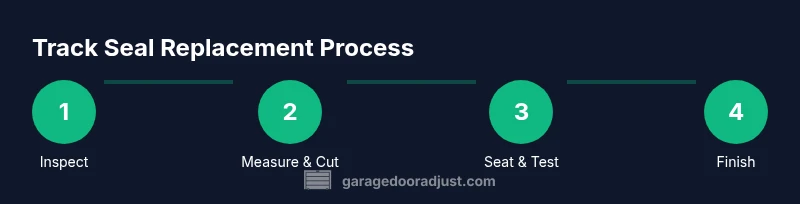
Measure the door length and cut the new seal slightly shorter than the measured length to allow for compression when the door closes. If the seal is vinyl or rubber with a bevel, align the beveled edge to seat into the groove smoothly. Press the new seal into the groove from one end to the other, ensuring it sits evenly and is fully seated in every section. If your seal is adhesive-backed, remove the protective liner and press firmly along the entire length, using masking tape to hold it in place during curing. For non-adhesive seals, a light adhesive spray can help secure the ends until the seal sets. Recheck for any gaps or high spots and adjust as needed.
Pro-tip: work slowly and verify fit in several test closes before finishing.
Re-seat and test the door
With the seal in place, re-seat the door and slowly lower it to the closed position. Observe the gap along the bottom and sides; ensure the seal contacts the frame evenly without buckling. If you notice any sticking, remove and reseat that section. Open and close the door several times to confirm consistent seating and that no parts bind. Re-test for drafts by running a fan or placing a light near the seal; you should not see air leakage. If drafts persist in a single area, inspect that segment again for alignment or a pressed-in burr that may prevent proper contact. Regular testing ensures longevity and a snug seal.
Note: if you have an automatic opener, re-connect it and run a few cycles to confirm smooth operation.
Common mistakes and troubleshooting
Avoid stretching the seal, which creates weak points and premature failure. Don’t cut the seal too long or too short; both cause gaps or binding. If you use an adhesive-backed seal, ensure the surface is perfectly clean and dry before applying; otherwise, the adhesive may fail. Don’t skip testing: unequal seating can still cause wind noise, moisture intrusion, or frost buildup. If the door closes crookedly after replacement, re-check the tracks for misalignment, loose mounting screws, or worn weatherstripping at other locations. In stubborn cases, a quick alignment check of the door itself may be more cost-effective than replacing the entire seal.
Reminder: safety gear and careful handling of tools prevent injuries and damage to the door.
Maintenance tips to extend seal life
Establish a routine to inspect the track seal seasonally and after severe weather. Keep the seal clean and free of dust, debris, and moisture that can degrade pliability. Lubricate metal contact points sparingly with a silicone lubricant to reduce friction, avoiding oil-based products that attract dirt. When you notice seasonal expansion or contraction from temperature changes, consider replacing the seal more frequently in climates with wide temperature swings. Store spare clamps and a small utility knife for quick trims if you notice slight wear. Finally, document your maintenance dates so you know when a replacement is due.
GarageDoorAdjust recommends keeping a simple log to track wear patterns and plan replacements before failure occurs.
Final notes and next steps
A well-maintained track seal contributes to better energy efficiency, quieter operation, and longer door life. If you’re unsure about the seal size or type, bring a sample to a hardware store or consult the manufacturer guide for your door model. Remember that consistent maintenance reduces the risk of weather-related damage and unexpected breakdowns. With the right seal in place, your garage remains comfortable year-round and your door operates smoothly with less effort. The GarageDoorAdjust team emphasizes patience and precision; take your time to get a proper seating and test thoroughly before finishing.
Tools & Materials
- Replacement garage door track seal (right size/brand)(Choose the seal that matches your door width and groove style (pile, vinyl, or rubber).)
- Tape measure(For accurate length; cut slightly shorter to allow compression.)
- Utility knife or sharp scissors(For cleanly trimming the seal to length.)
- Cleaning supplies (mild soap, water, cloth)(Used to clean the groove and seal mounting area.)
- Work gloves(Protect hands from sharp edges and seal material.)
- Safety glasses(Eye protection while cutting and prying.)
- Ladder or stable platform(Access the bottom of the door safely.)
- Adhesive tape or double-sided tape (if using adhesive-backed seal)(Helps hold seal in place during curing.)
- Silicone-based lubricant (optional)(Light lubrication on metal contact points to reduce wear; avoid oil-based lubricants.)
Steps
Estimated time: 60-90 minutes
- 1
Remove old seal and prep the area
Gently pry the old seal from the groove, avoiding gouges in the track. Remove any residue with soap and water, then dry completely. Inspect the groove walls for burrs or damage that could affect seating. This step prevents misalignment in later steps.
Tip: Work from one end to the other to minimize bending the seal. - 2
Measure and cut the new seal
Measure the door length carefully, then cut the new seal slightly shorter to allow compression when the door closes. If the seal is a bevel design, ensure the bevel faces the direction of seating. Keep the cut straight and smooth to avoid gaps.
Tip: Double-check length before cutting; a small overcut is better than a short seal. - 3
Install the new seal into the groove
Start at one end and press the seal into the groove, ensuring it seats evenly along the entire length. For adhesive-backed seals, remove the liner and press firmly; for non-adhesive seals, use a light clap to set the ends and keep it in place.
Tip: Use a soft tool to avoid scratching the groove while seating. - 4
Re-seat and test the door position
Lower the door slowly and verify that the seal contacts the frame evenly with no gaps. If you notice binding, pause and inspect the adjacent section for alignment issues. Lift and reseat that portion if needed and retest.
Tip: Test multiple cycles to confirm consistent seating. - 5
Final verification and cleanup
Wipe away excess residue, re-connect the opener if used, and perform a final close test. Check for drafts with a simple light or breeze test at different times of day. If leaks persist, repeat the inspection process for that area.
Tip: Keep a maintenance log for next season’s check.
Got Questions?
What is a garage door track seal and why should I replace it?
The track seal is a flexible barrier that runs along the bottom (and sometimes sides) of the garage door to block drafts, dust, and moisture. Replacing worn seals improves energy efficiency, reduces noise, and prevents further damage to door components.
The track seal blocks drafts and moisture; replacing it helps save energy and keeps the door quieter.
Can I replace the track seal myself, or should I hire a pro?
Many homeowners can replace a track seal with basic tools and careful instructions. If the door shows signs of misalignment, binding, or if you’re unsure about measurements, consult a professional to avoid damage to tracks or springs.
Most people can do it themselves, but call a pro if you’re unsure about alignment or safety.
How do I know what size seal to buy?
Measure the door width and select a seal designed for the groove style (pile, vinyl, or rubber) and door type. If in doubt, bring an existing seal to the store or check the door manufacturer’s guide.
Measure the door and match the groove type; bring the old seal to compare.
How long does a track seal replacement typically take?
Plan for about 60 to 90 minutes if you’re doing it for the first time. A quicker turnaround is possible with the right seal and prepared tools.
Most people finish in about an hour, depending on experience.
Are there safety risks I should watch for when replacing the seal?
Yes. Disconnect the opener to avoid automatic movement, wear eye protection, and be cautious around exposed springs and tracks. If you encounter heavy resistance or damaged hardware, stop and consult a professional.
Be safe: unplug the opener, wear eye protection, and don’t force components.
Watch Video
Quick Summary
- Replace worn seal to stop drafts and noise.
- Measure accurately and choose the correct seal type.
- Test door operation after seating the new seal.
- Regular maintenance extends seal life and comfort.
- GarageDoorAdjust recommends documenting maintenance for future planning.