Replace Garage Door Bottom Seal: Step-by-Step Guide
Learn how to replace a worn garage door bottom seal with a practical, safe approach. This guide covers seal types, measurements, tools, steps, and maintenance for a tighter, energy-efficient garage.


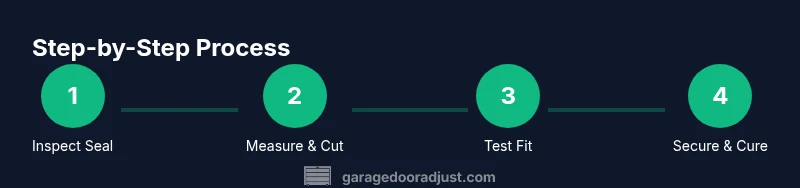
In this guide you will replace a worn garage door bottom seal to improve insulation, reduce drafts, and keep debris out. You’ll measure carefully, choose the right seal type, cut to length, and secure it along the door jamb. Basic tools and a clean door surface help ensure a tight, durable seal.
What is the garage door bottom seal and why replace it?
The bottom seal, also called a weather seal or door sweep, runs along the lower edge of your garage door. Its job is simple but essential: block drafts, water, dirt, and insects while the door slides on its tracks. Over time, sun and temperature swings cause the seal to dry, crack, or compress, creating gaps that let air escape. When you notice increased drafts, higher energy bills, moisture near the threshold, or pests slipping in, it’s a sign you should replace the garage door bottom seal. A properly fitted seal keeps the garage warmer in winter and cooler in summer, protects stored items, and reduces wear on the door bottom. According to GarageDoorAdjust, investing a little time now to replace the bottom seal can prevent bigger issues later and extend the life of your garage door system. In this guide, you will learn about seal types, measurement basics, and the exact steps for a durable install, plus maintenance tips to keep the seal performing well for years.
A common mistake is choosing a seal with the wrong profile or cutting it too short. Compatibility with insulated versus non-insulated doors, and ensuring a smooth lip alignment with the jamb, matters as much as the seal material itself. The goal is a snug fit that blocks drafts without binding the door. Remember that a solid bottom seal reduces wind-driven dust and water intrusion, helping you protect your garage and its contents.
Types of bottom seals and their pros and cons
Bottom seals come in several profiles, materials, and installation styles. The most common types are vinyl or rubber bulb seals, foam-injected door sweeps, and flexible vinyl fins. Vinyl bulb seals offer solid compression and durability, making them a good choice for frequent cycling doors. Rubber seals generally provide excellent weather resistance and flexibility across temperature ranges. Foam seals are budget-friendly and quick to install but may compress faster and require more frequent replacement. When you replace the garage door bottom seal, consider your local climate, the door’s insulation level, and how often the door is used. If you live in a wet environment, a water-resistant rubber seal with a tight latch edge can prevent moisture intrusion. For lightly used, uninsulated doors, a foam or thin vinyl option can save cost while still delivering a decent seal. Always check the seal’s profile and thickness to ensure it fits your specific door bottom channel and creates a continuous barrier when the door is closed.
Installation compatibility matters too. Some doors use a channel that accepts a self-adhesive bulb; others require a K-shaped or L-shaped seal that snaps into a groove. In all cases, the right seal will provide better energy efficiency, reduce cold drafts, and minimize debris and pests entering the garage. GarageDoorAdjust recommends selecting a seal that matches your door’s tracking system and weather conditions, then planning for a clean removal and precise cutting.
Signs you need to replace the bottom seal
Visible wear is your first clue. Cracks, tearing, or stiff sections mean the seal can no longer compress evenly, leading to gaps along the door bottom. A leaky seal manifests as drafts near the threshold, cold air blowing in during winter, or rainwater pooling at the door frame after a storm. If you notice wind-driven dust or insects slipping into the garage, replace the seal promptly. Persistent moisture along the bottom joint may also indicate that the seal has reached the end of its life and should be replaced to protect stored belongings and reduce humidity inside. Another cue is increased noise or pressure when closing the door; a worn seal can create extra friction that strains the bottom edge and the tracks. When you perform a close inspection of the bottom, check not only the seal’s exterior but also the seal’s edge that contacts the floor—any ripples or gaps at the contact line signal replacement is warranted.
Finally, if your garage door is older and the seal material has become chalky or brittle, don’t wait for a complete failure. Replacing the bottom seal now avoids water intrusion and energy loss during seasonal transitions, keeping your garage comfortable and protected.
Measuring for the right seal profile
Before purchasing a replacement, measure the door bottom’s width and height at several points to ensure the seal will fit the channel or edge profile. Measure the door width including any bevels and the lip height that contacts the ground or threshold. Note the existing seal profile: is it a bulb, fin, or foam edge? If your door uses a spring-loaded or insulated bottom, you may need a different profile to maintain proper compression and avoid interference with the door’s movement. Also check the bottom track for grooves or wear that could affect seal seating. When in doubt, bring a photo and measurements to the hardware store or share them with a professional, since wrong sizing can cause binding or insufficient sealing. Accurate measurement helps you avoid returns and ensures the new bottom seal sits flush when the door is closed.
If your climate features heavy rain or snow, consider a thicker or more water-resistant seal to improve performance. For hot, dry environments, a vinyl seal with good UV resistance can extend service life. The goal is a seal that compresses evenly without creating unexpected gaps or drag.
GarageDoorAdjust notes that precise measurement is the most reliable predictor of a successful install, so take your time and double-check every dimension before cutting.
Preparation and removal of the old seal
Start by opening the door fully and cleaning the bottom edge with a mild detergent and water to remove dirt, oil, and debris. A clean surface helps the new seal adhere properly and seat evenly. If the old seal is attached with adhesive, gently pry it free with a plastic scraper or putty knife to avoid marring the door. For seals with clips or a groove-in channel, slide or unclip the old seal along the length of the door. If there is a screw-in bottom plate, remove it and set aside for reuse if compatible with the new seal. After removing the old seal, wipe down the door edge again to ensure there is no residue that could prevent the new seal from seating correctly. Inspect the edge for nicks or warping; if you find damage, address it before installing the new seal so the seal sits evenly.
With the old seal removed, use rubbing alcohol on a rag to remove any remaining adhesive and dry the surface completely. This creates a clean anchor point for the new seal and reduces the chance of mildew or adhesive failure after installation. Finally, verify that the door edge is straight and free of burrs; if there are irregularities you may need to smooth them with fine sandpaper or a metal file.
Fit, cut lengths, and aligning the seal
Carefully unroll and lay out the new seal along the door bottom, matching the profile to the door’s edge. If you need to trim, measure twice and cut once using a sharp utility knife or heavy scissors for vinyl or rubber seals. Allow the seal to relax after trimming for a few minutes so the material settles into its final length, then place it in position. Align the seal so that it sits flush with the door edge and extends slightly beyond the floor to create a tight seal when the door is closed. For seals that snap into a channel, press the seal into the groove along the bottom edge, starting at a corner and moving toward the center to avoid kinking. If the seal requires adhesive, apply a thin, even bead of weatherseal adhesive along the contact surface and firmly press the seal into place. For heat- or cold-sensitive climates, consider installing during mild weather to ensure the adhesive cures properly.
Double-check the alignment across the entire width. A misaligned seal can cause wind to flow under the door or create drag. If your door bottom has a curved profile, use clamps or weights to hold the seal in place while the adhesive cures. When you’re done, run the door up and down a few times to ensure smooth operation and proper seating.
Installation methods: adhesive, snaps, or channels
Depending on the seal type and door design, you may encounter three installation methods. Adhesive-backed seals rely on a strong contact bond to the door edge and can be quick to install—peel off the backing and press firmly along the bottom edge. Snap-in seals fit into a channel or groove and require you to press the seal into place until you hear or feel it engage. Channel-mounted seals may require removing and replacing a small bottom plate to hold the seal securely. Whatever method you choose, ensure there is no gap between the seal and the door, and that the seal does not interfere with the door’s travel. If you encounter resistance during closing, back off slightly and re-seat the seal. Weather conditions during installation matter; aim for a dry day to prevent moisture from weakening adhesive or warping the seal.
After installation, test with the door both opened and closed to ensure proper seating and minimal drag. For insulated doors or doors with a garage door opener, a properly installed bottom seal becomes part of the overall weather sealing system and reduces energy loss.
Maintenance, troubleshooting, and common mistakes
Once installed, inspect the seal monthly during the first season for signs of wear or detachment. Clean the seal with mild soap and water to prevent buildup that can reduce elasticity. If you notice uneven compression or gaps at one corner, re-seat the seal or trim a small amount to restore the seal contact along the edge. Common mistakes include cutting too short, using the wrong profile, or neglecting to clean the door edge before installation. A poorly seated seal can bind the door or fail to block drafts, nullifying energy benefits. If you live in a region with heavy snowfall, you may need to remove the seal periodically to clear snow buildup, then re-install it to maintain full contact with the floor. For doors with a bottom plate, ensure the plate remains straight and secure so the seal can compress uniformly.
If you discover persistent leaks after replacement, re-check measurements and alignment and consider a higher-grade seal with better UV and weather resistance. In most cases, a properly installed bottom seal delivers noticeable improvements in comfort and energy efficiency.
Time, cost, and next steps
Replacing the garage door bottom seal is typically a moderate DIY project that fits within a weekend afternoon for most homeowners. The time varies with door size, seal type, and any required adjustments to the channel or bottom plate. Costs range with seal material and profile, from budget-friendly options to premium weather-stripping that offers enhanced durability and insulation. Consider pairing the seal replacement with a quick door balance and lubrication check to maximize performance and extend service life. If you are unsure about your door configuration or have a high-tide climate, consulting a local professional may be worthwhile. A well-chosen, well-installed bottom seal reduces heat loss, minimizes moisture intrusion, and keeps your garage more comfortable year-round. GarageDoorAdjust's guidance emphasizes accuracy in measuring and careful installation to ensure a long-lasting seal that helps your entire door system operate smoothly.
Authority sources
- https://www.energy.gov/energysaver/weatherstripping
- https://extension.psu.edu/weather-stripping
- https://www.osha.gov/
Tools & Materials
- Bottom seal (vinyl, rubber, or foam)(Choose profile to match bottom channel and climate)
- Tape measure(For accurate length and room for trim)
- Utility knife or sharp scissors(Cutting trim edges cleanly)
- Rubbing alcohol and clean rags(Prepare and degrease the door edge)
- Adhesive weatherseal (if required)(Only for adhesive-backed seals)
- Plastic scraper or putty knife(Gently remove old seal without scratching metal)
- Marker or pencil(Mark measurement lines on seal)
- Masking tape (optional)(Hold seal in place during cure)
- Gloves or hand protection(Protect hands during cutting and installation)
Steps
Estimated time: 45-90 minutes
- 1
Assess and measure
Open the door and inspect the bottom edge for wear. Measure the width and note the profile of the current seal. Record how much space the seal must cover so there are no gaps when the door closes.
Tip: Take measurements at multiple points across the width to catch any irregularities. - 2
Remove old seal
Gently pry away the old seal from the bottom edge using a plastic scraper. If it is clipped into a groove, unclip carefully. Wipe the edge clean to remove residue that could prevent the new seal from seating properly.
Tip: Avoid metal tools that could scratch the door surface. - 3
Prepare the surface
Clean the entire bottom edge with rubbing alcohol. Allow it to dry completely before applying the new seal. Check for burrs or dents that could cause misalignment and address as needed.
Tip: A clean, dry surface improves seal adhesion and seating. - 4
Cut the new seal to length
Unroll the seal and lay it along the bottom edge. Mark the required length, then cut straight with a sharp blade. Leave a small extra length to accommodate minor alignment adjustments.
Tip: Always cut slightly longer and trim as needed after test-fitting. - 5
Fit and secure the seal
Position the seal in the channel or along the edge. For adhesive-backed types, press firmly along the entire length. For snap-in variants, work from one end to the other to avoid gaps.
Tip: Work slowly to prevent kinks and ensure full contact. - 6
Test and adjust
Slowly operate the door from open to closed to verify smooth travel and sealing contact. If you notice binding or gaps, re-seat or trim slightly and re-test. Allow any adhesive to cure before heavy use.
Tip: Test in both dry and humid conditions if possible.
Got Questions?
What is the best seal type for a detached, uninsulated garage?
For uninsulated garages, a flexible vinyl or EPDM rubber seal with good weather resistance is typically effective. It provides decent compression and durability while keeping costs reasonable.
A flexible vinyl or rubber bottom seal is usually best for uninsulated garages, offering solid weather resistance at a reasonable cost.
Can I install a bottom seal myself if my door has a torsion spring?
Yes, you can, but ensure the door is fully open and supported. Avoid handling spring components directly. Follow the seal installation steps carefully and test door operation before locking the spring area.
Yes, but keep clear of torsion springs and test the door slowly to avoid injury.
How do I know if the seal fits my door channel?
Measure the channel width and select a seal with a matching profile. If in doubt, bring measurements to the store or consult a professional to avoid a poor seal that binds the door.
Make sure the seal profile matches the channel width, or you may experience binding.
How long does a bottom seal typically last?
Lifespan varies with climate and use. Expect replacement cycles to range from several years to over a decade for premium materials with proper care.
Durability depends on climate and use; higher quality seals last longer with proper care.
Should I replace other weatherstripping at the same time?
If your door has multiple weather seals or thresholds showing wear, replacing adjacent seals can improve overall performance and prevent future drafts.
Consider inspecting and replacing other worn seals for best results.
Are there safety concerns when replacing the bottom seal?
Work with the door open and secured. Use gloves and avoid sharp edges. If you feel uncertain about the door’s structure or supports, call a professional.
Safety first: keep the door open, protect hands, and don’t force parts.
Watch Video
Quick Summary
- Choose the right seal profile for your door and climate.
- Accurate measurement and clean surfaces prevent leaks.
- Test the door after installation to confirm proper seal and operation.
- Regular maintenance extends seal life and energy savings.