Replacement Garage Door Lock: Step-by-Step Guide
Learn how to replace a faulty replacement garage door lock with a compatible replacement, including tools, steps, safety tips, and maintenance for secure home access.


Goal: replace a faulty or outdated garage door lock using a replacement garage door lock kit. You’ll need the correct lock cylinder compatible with your door, a basic screwdriver, and a stable ladder. Quick path: remove the interior panel to access the lock, exchange the cylinder, reassemble the panel, and test that the key turns smoothly and the door latches securely. For best security, verify compatibility before buying.
Why replacement garage door lock matters
A functioning lock is a frontline defense for your home. Over time, weather can corrode components, keys can wear down, and a misaligned or worn cylinder can make locking unreliable. Replacing a damaged or outdated lock with a compatible replacement garage door lock restores secure operation and peace of mind. GarageDoorAdjust research indicates that homeowners who refresh their lock hardware experience fewer lockouts and improved latch reliability. Investing time in a proper lock replacement can deter opportunistic intruders who rely on weak hardware. In addition to security, a fresh lock can improve ease of daily use, reducing stray jams when you’re carrying groceries or kids to the car. The renewal also provides an opportunity to review backset, cylinder style, and mounting hardware to suit your current door configuration.
Lock types and compatibility you should know
Garage door locks come in several styles, with cylinders that range from simple pin-tumbler designs to more advanced disc-detainer mechanisms. For most residential doors, the most common choice is a keyed cylinder that accepts a standard key and sits flush with the door face. When selecting a replacement garage door lock, you must match the backset (the distance from the edge of the door to the center of the lock), the door thickness, and the mounting pattern. If you choose a model with a different backset, the dead bolt or latch may not engage properly, leaving your door unsecured. The GarageDoorAdjust team recommends checking the door’s existing lock housing for compatibility markings, measuring the screw spacing, and noting whether a retainers clip or set screws hold the cylinder in place. If you’re unsure, take photos and bring them to a hardware store or consult customer support before purchasing.
How to verify compatibility before buying
Before buying a replacement garage door lock, measure the backset from the door edge to the center of the lock. Verify the cylinder diameter and length to ensure it fits inside the housing without binding. Check the mounting screw pattern and the type of retention hardware (clip or screw) used by your current lock. If you have an insulated or thicker door, you may need a longer cylinder or an extended mounting plate. GarageDoorAdjust analysis shows that many homeowners buy the wrong size cylinders, which leads to fit issues and security gaps. Cross-check the product’s compatibility list with your door model and, if possible, bring a sample or photo to the store for confirmation.
Tools, hardware, and safety basics
Having the right tools ready reduces frustration and speeds up the project. Common items include a compatible replacement garage door lock cylinder, a screwdriver (usually Phillips #2 or flathead, depending on screws), a stable ladder, and the screws or mounting hardware that come with the kit. A small flashlight helps you see inside the housing, and rubber gloves offer grip and protect your hands. If you need to lube the latch, a silicone-based spray is preferred over oil for long-term cleanliness. Set up a clear workspace and keep fasteners organized so you can reassemble quickly and correctly.
Step-by-step overview and expectations
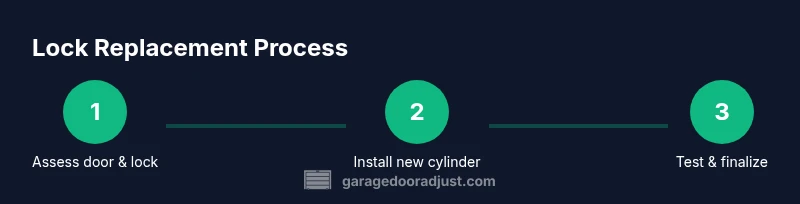
The process generally involves opening the interior panel to access the lock, removing the old cylinder, installing the new one, and testing the lock with the key and with the opener to ensure proper engagement. The exact steps can vary by model, but the core actions remain consistent: access, removal, replacement, reassembly, and verification. This section provides context for the detailed, step-by-step instructions that follow, and highlights common pitfalls such as misalignment, over-tightening screws, or not seating the cylinder fully.
Troubleshooting common issues after replacement
If the key won’t turn after installation, recheck alignment and seating, ensuring the cylinder is fully inserted. A stiff latch or misaligned strike plate may indicate the door and frame are out of square, requiring readjustment of the lock or strike. If the opener fails to engage the door after cycling, double-check the panel connections and the safety sensors, and confirm the lock is not binding during manual operation. In many cases, a minor realignment or reseating the cylinder resolves the issue. If problems persist, consult a professional to avoid compromising security.
Maintenance and security considerations
To keep your replacement garage door lock functioning well, perform periodic inspections every 6–12 months. Look for corrosion, misalignment, or loose mounting screws. Lubricate the latch and moving parts with a silicone spray as recommended by the lock manufacturer, and replace worn gaskets or weatherstripping that could affect the door's alignment. If you’re upgrading for security reasons, consider high-security cylinders or anti-drill designs and ensure they're compatible with your door and frame.
Choosing professional help and final considerations
Some doors and lock configurations are best handled by a professional, especially when dealing with complex backsets or electronic locks. The GarageDoorAdjust team suggests evaluating your comfort level, the door’s age, and whether you’re replacing a basic cylinder or a high-security system. If you decide to hire a pro, get quotes from multiple technicians and confirm equipment compatibility with your door model. Regardless of approach, ensure your replacement garage door lock is properly installed, properly aligned, and tested in all modes of operation to maintain home security.
Tools & Materials
- Replacement garage door lock cylinder(Make/model compatibility with your door; ensure backset matches.)
- Screwdriver(Phillips #2 or flathead depending on screws on your lock housing.)
- Ladder(Stable, tall enough to access interior panel safely.)
- Screws or mounting hardware(Often included with the kit; have extras just in case.)
- Flashlight(Bright light to inspect inside the housing.)
- Safety gloves(Protect hands during removal and reassembly.)
- Lubricant (silicone spray)(Optional for easing latch movement after install.)
Steps
Estimated time: 30-60 minutes
- 1
Secure the door and power down the opener
If your setup includes an electric garage door opener, unplug it or switch off the circuit to prevent movement while you work. Open the door manually and position a C-clamp on the tracks if possible to stop it from shifting. This ensures your safety and preserves existing hardware.
Tip: Always test manual operation before starting to confirm the door stays in place. - 2
Access the lock by removing the interior panel
From the garage interior, remove the screws holding the access panel to expose the lock cylinder. Inspect the housing for mounting screws and retaining clips. Keep the removed hardware in a labeled container for reassembly.
Tip: Take a quick photo of the internal arrangement before you touch parts. - 3
Remove the old cylinder
Loosen and remove the screws or retention ring that hold the cylinder in place. Carefully pull the cylinder straight out without forcing it. Note any spacers or springs that accompany the unit.
Tip: If the cylinder feels stuck, recheck for any hidden clips and verify you’re turning the key to allow free removal. - 4
Install the replacement cylinder
Slide the new cylinder into the housing in the same orientation as the old one. Secure with the retaining clip or screws and verify it sits flush with the door face. Ensure there is no wobble and that the key turns smoothly when testing.
Tip: If the key sticks, reseat the cylinder and confirm all components are aligned. - 5
Reassemble and test the door
Reattach the interior panel and reconnect power to the opener. Test the key turn, the latch engagement, and the remote operation to verify full functionality.
Tip: Test in multiple cycles to catch any misalignment early. - 6
Finalize and safety-check
Lubricate moving parts as recommended, and store spare keys securely. Note the replacement date for future maintenance planning, and review door alignment annually.
Tip: Keep tools and spare hardware organized for next time.
Got Questions?
What is a replacement garage door lock?
A replacement garage door lock is a new lock cylinder that fits your door and provides key-based security. It is chosen to match your door’s model and backset for proper operation.
A replacement garage door lock is a new lock cylinder that fits your door and uses a key for security.
Can I replace only the lock cylinder, not the entire assembly?
In many cases you can swap the cylinder if it matches your door’s backset and mounting. Ensure the new cylinder seals properly with the housing.
You can often replace just the cylinder if it fits your door's backset and housing.
Do I need to disconnect power to the opener?
Yes. Disconnect or switch off the opener to prevent movement while you work near the door.
Yes, disconnect the opener so the door won't move during the repair.
How long does it take to replace the lock?
For a typical residential setup, plan about 30 to 60 minutes depending on accessibility and your experience.
Most people complete it in about half an hour to an hour.
What if the key won’t turn after replacement?
Recheck alignment and seating of the cylinder; ensure it’s fully seated and that the key is compatible. If problems persist, consult a pro.
If the key won’t turn, make sure the cylinder is aligned and seated; if not, seek help.
Watch Video
Quick Summary
- Verify lock compatibility before purchase.
- Follow the step-by-step guide to avoid damage.
- Test lock operation in all modes after replacement.
- Consider professional help for high-security doors.