Orlando Garage Door Repair: Step-by-Step Guide for Homeowners
A practical, safety-first guide for diagnosing and repairing common garage door issues in Orlando. Learn a homeowner-friendly, step-by-step process, required tools, and when to call a pro.


Orlando garage door repair can be tackled safely with a clear plan. This quick guide outlines the goals, safety steps, and a homeowner-friendly workflow to diagnose and fix common issues like misaligned tracks, worn springs, or sensor problems. Use this to decide if you can DIY or should call a professional.
Common causes of garage door problems in Orlando
In Orlando, garage door issues often arise from climate and usage patterns. The heat and humidity accelerate corrosion of hardware, while sudden thunderstorms can bang doors against tracks. Common symptoms include grinding noises, doors that stop partway, sticking during opening, and misalignment between the door and frame. A practical way to approach orlando garage door repair is to observe when the problem occurs (temperature, humidity, after use, or after a bump) and map it to a likely culprit—tracks, springs, rollers, sensors, or opener settings. Start with the simplest explanation, then move to the more complex components. Regular seasonal checks help prevent common faults before they escalate, especially in a climate like central Florida where quick weather changes can stress hardware.
Safety first: assessing risks before you begin
Garage doors operate under tension; even a small misstep can cause serious injury. Before you touch anything, unplug the garage door opener or switch off the circuit to prevent automatic movement. Keep kids and pets away from the workspace. Wear eye protection and gloves; use a sturdy ladder if you must reach tracks. Never work under a door that is supported only by springs; torsion springs are dangerous and require professional equipment. If you notice frayed cables, cracked panels, or worn springs, plan to replace them with professional help. This is especially important in Orlando’s heat cycles, which can hide hidden wear behind paint or rubber seals.
Tools and parts you'll need for Orlando garage door repair
Having the right tools on hand saves time and reduces risk. Essential items include safety glasses to protect eyes from sudden movement, work gloves for grip, and a sturdy ladder for elevated work. A socket wrench set, a complete screwdriver kit (flathead and Phillips), and pliers help with fasteners and hardware. Silicone-based lubricant for tracks and hinges keeps movement smooth, while white lithium grease can be used sparingly on metal parts. If you must adjust track alignment, a level and measuring tape are handy. Keep replacement rollers, weatherstripping, and compatible springs on hand only if you have confirmed wear and know how to install them safely. Have a flashlight for dark corners and a clean cloth to wipe excess lubricant.
Diagnostic workflow you can follow at home
Before you commit to a repair, run through a simple diagnostic workflow to identify likely causes. Start with the opener: confirm it is receiving power and that the wall switch and remotes are working. Listen for unusual noises, and check tracks and rollers for obstructions or wear. Manually balance the door by lifting it to the half-open position to see if it stays put; if it drops or rises, the spring tension or balance may be off. Inspect springs and cables for visible wear or damage, but do not attempt any adjustments on springs if you are not trained. Finally, test safety sensors and auto-reverse by blocking the beam and ensuring the door reverses when an obstacle is detected. Record findings to decide whether DIY fixes are safe or if a pro is warranted.
Diagnostic steps: quick at-a-glance
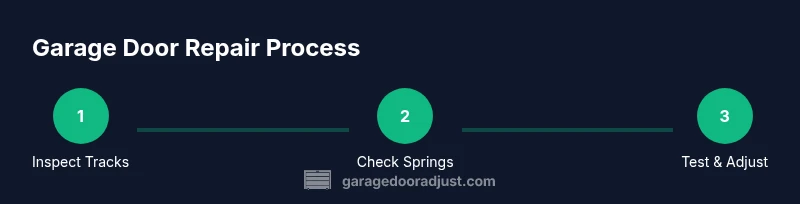
This section complements the formal step-by-step guide: check power, inspect tracks, test balance, examine springs, lubricate moving parts, and verify sensor operation. Keeping a simple checklist helps you spot issues early and prevents accidental injuries.
Simple fixes you can try safely
In many Orlando garage door repair scenarios, a few quick fixes restore normal operation. Tighten loose mounting screws on the track and hinge connections, and realign any visibly bent tracks. Clean and lubricate moving parts, focusing on the roller guides, hinges, and track joints with a silicone-based spray. Tighten or adjust non-spring hardware that contributes to wobble or noise. Replace weatherstripping if it is cracked, as poor seals can cause drag and weather intrusion. If the door is noisy, applying lubricant to metal parts often quiets it without affecting nylon components. Always wipe away excess lubricant to prevent dirt buildup.
When to replace components: tracks, springs, and openers
Tracks that are bent or severely misaligned typically require replacement rather than repair, as misalignment can cause continued damage. Springs wear is common in high-use doors; torsion springs are dangerous and should be handled only by trained technicians. Cables that show fraying or loosening need immediate attention. If the opener stalls frequently, if you notice slow or jerky movement, or if the door feels heavier than normal, it is prudent to evaluate a full replacement of the opener. In many cases, cost and safety considerations favor a planned upgrade rather than repeated DIY fixes.
Maintenance plan for Orlando homeowners
Create a simple maintenance calendar to protect your investment in Orlando climate. Schedule lubrication and inspection every 3–6 months, with extra checks after major storms or temperature swings. Wipe away dirt and debris from tracks and weatherstripping, and inspect hardware for rust or looseness. Replace weather seals that show cracks or stiffness, and ensure sensors remain clean and properly aligned. A modest maintenance routine reduces the chance of unexpected failures and extends the life of springs, cables, and openers.
How to choose a trusted local pro for Orlando garage door repair
Finding a reliable technician is essential for safety and lasting results. Check credentials and request written estimates; verify insurance and licensing where required. Read reviews from local homeowners and confirm they specialize in residential doors. Ask about warranty coverage, parts availability, and response times for emergency calls. According to GarageDoorAdjust, a trusted pro should explain root causes clearly, avoid up-selling risky components, and provide a transparent repair plan. For Orlando residents, select a pro who respects Florida building codes and offers a clear maintenance schedule.
Common mistakes to avoid during DIY repairs
Common missteps include starting without turning off power, ignoring safety springs, attempting to adjust torsion springs, or skipping a full track inspection. Using the wrong lubricant can attract debris or degrade parts; never lubricate nylon rollers with oil-based products. Over-tightening bolts or misaligning tracks can worsen the problem and cause door failure. Finally, failing to test sensors and the automatic reversal can create a safety hazard for children and pets in the garage.
Quick-start checklist for Orlando garage door repair
- Power down and secure the area
- Do a visual inspection of tracks, rollers, and weather seals
- Check door balance manually
- Inspect springs and cables from a safe distance
- Lubricate moving parts and re-tighten hardware
- Test safety sensors and opener function
- Decide whether DIY is appropriate or call a pro
mainTopicQuery1?:null
Tools & Materials
- Safety glasses(Protect eyes from flying debris and springs)
- Work gloves(Grip and protect hands)
- Sturdy ladder (6-8 ft)(Access high tracks, ensure stable footing)
- Socket wrench set(SAE/metric as needed)
- Screwdrivers (flathead & Phillips)(Assorted sizes)
- Lubricant spray (silicone-based)(Apply to tracks, rollers; avoid nylon rollers)
- White lithium grease(Use sparingly on metal parts where specified)
- Pliers(Grip and manage hardware)
Steps
Estimated time: 90-150 minutes
- 1
Unplug the opener
Disconnect power to prevent unexpected movement. If there is a wall switch, switch it off as well. This is a critical safety step because garage doors are under tension.
Tip: Double-check the power is off by attempting to operate the opener manually. - 2
Inspect tracks for obstructions
Look for dents, bends, or debris; remove obstructions; ensure tracks are parallel and aligned. Misaligned tracks can bind the door and wear components quickly.
Tip: Use a level to verify track alignment from front and side. - 3
Check rollers and hinges
Inspect rollers for wear; lubricate if plastic, replace if cracked; check hinges for looseness. Worn rollers cause rough movement and noise.
Tip: Don't use lubricant on metal rollers with bearings. - 4
Test door balance manually
Disconnect the opener using the release cord; lift the door halfway; it should hold steady. If the door drops or rises, the spring balance may be off and require professional adjustment.
Tip: If the door is heavy, stop and call a pro. - 5
Inspect springs and cables
Look for gaps in winding, corrosion, or stretched cables. Do not attempt to adjust torsion springs yourself; they are under high tension.
Tip: Note any visible wear; do not touch springs. - 6
Lubricate moving parts
Apply silicone-based lubricant to the track joints, rollers (not nylon), hinges, and pulley areas. Lubrication reduces friction and noise.
Tip: Wipe away excess lubricant to prevent dirt buildup. - 7
Tighten hardware and realign tracks
Check all visible screws and bolts; tighten to manufacturer specs. If tracks are misaligned, loosen the mounting bolts slightly and adjust, then retighten.
Tip: Do not overtighten; use a torque wrench if available. - 8
Test safety sensors and reversing mechanism
Block the sensor beam to ensure auto-reverse triggers. Clean sensor lenses and adjust mounting height if needed. If the safety system fails, replace sensors or call a pro.
Tip: Always test with a small obstacle at floor level. - 9
Reconnect and test with the opener
Reattach the opener and test function using both remote and wall switch. Listen for smooth operation and verify full travel without binding.
Tip: If anything feels off, stop and reassess before reactivating.
Got Questions?
What are the most common problems in Orlando garage door repair?
Most homeowners see misaligned tracks, worn springs, defective sensors, and noisy operation. Visual checks help identify wear; listen for grinding and note when the door binds or sticks.
Common problems are misaligned tracks, worn springs, and sensor issues, plus noisy operation.
Is it safe to attempt DIY garage door repairs?
DIY can be safe for basic lubrication and minor adjustments, but avoid torsion springs and cables unless you are trained. Always unplug the opener and wear PPE.
DIY is okay for simple lubrication, but avoid springs and cables unless you're trained.
When should I replace vs repair a component?
If a component shows significant wear or a repair would require frequent follow-up fixes, replacement is often best—especially for springs, tracks, and the opener condition.
If wear is significant, replace rather than repair.
Do I need permits for garage door work in Orlando?
Minor repairs typically don’t require permits, but major installations or structural changes can. Check local codes and HOA rules and consult a licensed pro when in doubt.
Check local codes for major work to stay compliant.
How long does a typical repair take?
Simple fixes can take 1–2 hours; more complex tasks may take 3–6 hours or require scheduling a service visit.
Most repairs take a few hours depending on complexity.
Watch Video
Quick Summary
- Prioritize safety before any repair
- Identify root causes from symptoms
- Use correct lubricants and tools
- Call a pro for springs or electrical work