Illinois Garage Door Repair: A Homeowner's Step-by-Step Guide
A practical, safety-focused guide for diagnosing, repairing, and maintaining garage doors in Illinois. Learn when to DIY and when to call a pro, with clear steps and maintenance tips for reliable year-round operation.


Goal: Successfully diagnose, safely repair, and maintain your Illinois garage door using plain-language steps. This guide covers common non-structural issues, how to test doors for balance and safety, and when to involve a licensed pro for springs or structural work. You’ll learn prep, basic troubleshooting, and maintenance routines that reduce call-outs and keep your door dependable year-round in Illinois.
Illinois Garage Door Repair: Context and What This Guide Covers
The topic of this guide is highly relevant for homeowners dealing with garage door issues in Illinois. The state experiences a wide range of weather patterns—from hot summers to icy winters—that can accelerate wear on tracks, rollers, and seals. According to GarageDoorAdjust, many common problems stem from misalignment, worn hardware, or failed safety sensors rather than a single catastrophic failure. This comprehensive guide focuses on practical, non-structural repairs you can perform safely, while clearly outlining scenarios that require professional intervention. You’ll learn how to test balance, inspect hardware, and implement preventive maintenance practices that reduce emergency calls and keep your door operating smoothly all year long in Illinois.
Common Problems in Illinois Homes
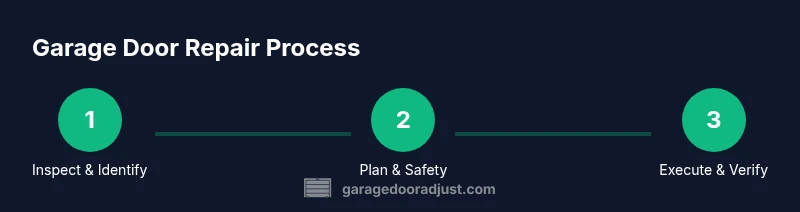
In Illinois, you’ll often encounter issues that spring from seasonal changes and heavy use. Misaligned tracks can cause sticking doors and uneven closing, while worn rollers and hinges contribute to noisy operation and frequent jams. Torsion spring wear is less common but highly dangerous if attempted by non-professionals; do not attempt spring work unless you are trained. Electrical issues, including sensor misalignment and errant remotes, can prevent doors from reversing on contact or opening at all. Weather stripping and bottom seals may crack or warp, increasing energy loss and letting cold drafts into the garage. By understanding these common culprits, you can prioritize safety checks and avoid unnecessary repairs. The GarageDoorAdjust team recommends starting with a visual inspection, then moving to targeted testing of balance and safety components before deciding on a repair plan.
Diagnostic Checklist Before You Start
Before you touch a tool, perform a quick diagnostic to separate simple fixes from more complex problems. Check that the door is balanced by manually lifting it halfway and releasing; if it drops or rises unevenly, balance or spring issues may be involved. Inspect tracks for dents or obstructions, hardware for looseness, and weather seals for gaps. Test safety reversing sensors by waving an object in front of them when the door is closing; if the door doesn’t reverse, sensor alignment or wiring may be the culprit. Verify the door operates smoothly when operated by hand only, with the opener disconnected, to confirm whether the issue is mechanical or electrical. Finally, confirm that the photoelectric eyes are clean and pointed at each other with a clear path between them. This prep will save time and reduce risk when you start repairs.
Safety and Local Codes in Illinois
Safety should be your top priority for garage door work. Always disconnect power at the opener before inspecting or adjusting any components, and wear safety glasses and gloves to protect against sharp edges and moving parts. In Illinois, local building codes and permits can apply to door replacement or structural work, so check with your city or county before major changes. If your door uses torsion springs or you’re replacing substantial hardware, consider enlisting a licensed technician. Improper handling of springs or tracks can cause serious injury and property damage, so err on the side of professional support for high-torce repairs.
DIY vs Pro: Decision Framework for Illinois Residents
Not all repairs are suited to DIY, especially when torsion springs, cables, or structural components are involved. For everyday maintenance like lubrication, weather-sealing, and simple track cleaning, homeowners can often handle the task with proper safety precautions. When the issue involves springs, cables, or a malfunctioning opener that persists after basic checks, it’s wise to call a licensed technician. In Illinois, professional repair not only ensures safety but may be required by local codes for certain replacements. Balance the cost, risk, and downtime when deciding whether to DIY or hire a pro, and document every step for future reference.
A Practical Troubleshooting Narrative for a Stuck Door
Imagine a door that sits stubbornly closed in the heat of a summer afternoon. Start by confirming the opener is not the root cause: unplug the opener, then attempt to raise the door manually. If it feels heavy or binds, the issue is likely mechanical—check tracks, rollers, and hinges for damage or misalignment. Realign tracks by loosening mounting screws, sliding the track back into true, and retightening. Clean and lubricate moving parts with silicone-based lubricant, avoiding excessive lubrication on belts or pulleys. Reconnect power, test safety sensors, and observe the door’s movement from the floor. If the door still refuses to move smoothly, or if you hear grinding or grinding-like noises, stop and call a pro. This process prioritizes safety and helps you identify whether a quick fix is possible or professional service is needed.
Maintenance and Seasonal Care for Illinois Homes
Seasonal care helps prevent unexpected failures. In Illinois, perform a monthly quick-check to tighten hardware, lubricate hinges and rollers, and inspect weather stripping for wear. In winter, clear snow and ice from the door’s track areas and ensure the opener can operate without obstruction. In spring, check for spring wear marks or loosening of hardware that could hint at impending failure. Regular maintenance reduces the likelihood of rust, frozen tracks, and sensor misalignment and extends the door’s life. Finally, store replacement parts and tools in a dry place to prevent corrosion and damage until the next maintenance cycle.
Budgeting for Illinois Garage Door Repair: Costs and Planning
Costs for Illinois garage door repair can vary widely depending on the problem, the door type, and whether you hire a professional. Simple maintenance tasks typically cost less than full track realignment or sensor replacement. More complex issues—such as roller replacement, door balancing, or opener repairs—may require skilled labor and specialized parts. Always request a written estimate before work begins and confirm whether the price includes parts, labor, and a potential diagnostic fee. Planning ahead for seasonal maintenance can also prevent surprise repairs and extend the life of your door.
The GarageDoorAdjust Approach in Illinois Garage Door Repair
At GarageDoorAdjust, we emphasize safety, clarity, and practical steps tailored to Illinois homeowners. Our guidance focuses on identifying non-structural issues, providing a clear diagnostic path, and helping you decide when professional service is necessary. We frequently remind homeowners to prioritize safety and to verify local code requirements before major work. The team also highlights preventive maintenance as the most effective way to extend door life. The GarageDoorAdjust approach combines step-by-step troubleshooting with an emphasis on home safety and reliable operation, reflecting our commitment to helping you fix problems confidently and safely.
Tools & Materials
- Safety glasses(Protect eyes from debris and springs; wear during all inspections and adjustments)
- Work gloves(Grip and protect hands from sharp edges and moving parts)
- Ladder (6–8 ft)(Stable surface; use with a spotter if possible)
- Screwdrivers (Phillips and flat-head)(Have a small and medium set for hinges and brackets)
- Adjustable wrench set(For track and hardware tightening; include 1/2 inch and 7/16 inch sizes)
- Socket/ratchet set(Latches, brackets, and spring anchors may need sockets)
- Voltage tester / multimeter(Verify opener wiring and sensors; avoid working near live electricity)
- Silicone-based lubricant(Lubricate moving parts; avoid petroleum-based lubricants)
- Towel or rags(Clean up grease and debris; handy for wipe-downs)
Steps
Estimated time: 60-90 minutes
- 1
Disconnect power to the opener
Unplug the garage door opener or switch off the circuit breaker to ensure there is no electrical current while inspecting or adjusting components. This prevents accidental activation and reduces risk of injury.
Tip: Lock out the outlet or switch so it cannot be re-energized during the repair. - 2
Test manual operation and balance
With the door closed, disengage the opener by pulling the release cord and lift the door manually. It should feel light and move smoothly; if it hangs or binds, balance or spring issues may be present.
Tip: If the door is difficult to lift, avoid continuing until you identify the cause to prevent injury. - 3
Inspect tracks, hardware, and seals
Check the tracks for dents or obstructions, and tighten loose nuts and bolts on brackets, hinges, and rollers. Inspect weather seals for cracks and gaps; replace or repair as needed to protect the garage interior.
Tip: Clean the tracks before realigning; dust and grit can cause binding. - 4
Check safety sensors alignment
Ensure photoelectric sensors are aligned and unobstructed. Wipe lenses with a soft cloth and realign if you see an error indicator on the opener. Misaligned sensors can prevent the door from closing or reversing safely.
Tip: Test with a lightweight ball or obstacle to confirm the door reverses on contact. - 5
Lubricate moving parts
Apply silicone-based lubricant to hinges, rollers, springs (if applicable and safe), and track joints. Wipe away excess to avoid attracting dust and debris.
Tip: Avoid lubricating the belt drive or pulleys if your system uses a belt-driven opener. - 6
Reconnect power and test operation
Plug the opener back in and perform several opening/closing cycles. Listen for unusual noises, watch the door’s movement, and verify it stops smoothly in the down position.
Tip: If the door remains unbalanced or makes grinding noises, stop and contact a professional.
Got Questions?
Is a permit required for Illinois garage door repairs?
Permit requirements vary by locality in Illinois. Check with your city or county building department before starting major replacements or structural work.
Permit requirements depend on your municipality; check with local officials before major structural work.
Can I fix torsion springs myself?
No. Torsion springs are under high tension and can cause severe injury. Hire a licensed technician for any spring work.
Torsion springs require a pro due to high tension and risk of injury.
What should I do if the door reverses unexpectedly?
Check the safety sensors for misalignment or obstruction and verify the door balance. If the issue persists, consult a pro.
Unusual reversal usually means sensor or balance issues; verify and then call a pro if needed.
How do I reset a garage door opener?
Follow your opener’s manual to perform a reset and re-pair remotes. If problems continue, professional service may be required.
Reset according to the manual and re-pair remotes; seek a pro if it persists.
How long does Illinois garage door repair typically take?
Duration varies by problem and parts availability. Simple maintenance is quicker, while major component replacements take longer.
Time varies; minor fixes are faster, larger repairs take longer.
Can insulating my garage door save energy in Illinois?
Insulation can reduce energy loss and improve comfort, especially in heated garages. Consider insulated doors and proper weather sealing.
Insulation can help with energy savings and comfort.
Watch Video
Quick Summary
- Assess safety before any repair action
- Differentiate mechanical vs electrical causes
- Know when to call a licensed pro
- Maintain a seasonal maintenance routine