Garage Door Repair LLC: The Homeowner's Step-by-Step Guide
Learn practical steps to diagnose, repair, and maintain your garage door. This guide from GarageDoorAdjust helps homeowners safely handle common issues and decide when to hire a trusted garage door repair LLC.


This guide helps homeowners diagnose common garage door issues, determine when to attempt safe DIY fixes, and understand the value of hiring a reputable garage door repair LLC. You’ll learn a practical diagnostic checklist, essential safety practices, and how to choose a reliable professional without compromising safety or function.
Understanding the Role of a Garage Door Repair LLC
A garage door repair LLC is a business entity that specializes in diagnosing, repairing, and maintaining residential garage doors and openers. The LLC structure emphasizes liability protection for the owners, which can be reassuring to homeowners when complex repairs are needed. In practical terms, a reputable garage door repair LLC should offer a transparent assessment, clear estimates, professional workmanship, and a plan for safe operation. The GarageDoorAdjust team emphasizes that homeowners should prioritize safety, proper parts selection, and adherence to local regulations when engaging any repair service. When you hear the term "garage door repair llc," think of a licensed, insured team focused on reliable diagnostics and durable fixes rather than quick, cosmetic tweaks.
Keywords to watch for: garage door repair llc, licensed technician, insured contractor, safety practices, warranty coverage.
- What to expect: a formal inspection, a written estimate, and a documented repair plan.
- Common questions: warranty coverage, timelines, and who performs the work.
These elements help ensure a durable repair and reduce repeat service calls.
Licensing, Insurance, and Value of an LLC
Choosing an LLC for garage door work signals professional accountability. Reputable LLCs carry appropriate business licenses where required, carry general liability insurance, and often provide workers’ compensation coverage for installers. This matters because garage door components—torsion springs, cables, and tracks—can fail suddenly with significant risk to bystanders. An LLC also tends to offer clearer warranties and more formal dispute resolution processes. In this context, homeowners gain protections that are not always present with sole proprietorships or informal repair outfits. The GarageDoorAdjust analysis suggests prioritizing proof of insurance and a written contract that outlines responsibilities and timelines. These measures reduce friction if parts must be replaced or if a fix doesn't perform as expected.
- Check for current licenses and insurance certificates.
- Confirm warranty terms in writing and understand what is covered.
- Ask about emergency service availability and response times.
This approach helps ensure you’re engaging a firm that values safety, accountability, and long-term performance.
Common Problems Homeowners Encounter
Garage doors and openers present a mix of mechanical, electrical, and safety challenges. Common problems include the opener failing to move, doors that won’t stay put or drift slowly, misaligned tracks, noisy operation, and failing safety sensors. Each issue has a different root cause, from worn springs or bent tracks to sensor misalignment or weak limit switches. The key is to differentiate between user error, routine wear, and components that require professional intervention. Remember that torsion springs are highly dangerous; attempting repairs without proper equipment and training can cause severe injury. In all cases, document symptoms, take photos if needed, and avoid forcing parts that resist movement. GarageDoorAdjust recommends a cautious, data-driven approach rather than guesswork, especially when springs or cables are involved.
- Symptoms guide the diagnosis: noise, movement consistency, and sensor response.
- Safety first: never bypass safety features or operate a door with a known fault.
- If in doubt, consult a licensed professional.
This knowledge helps you decide whether a DIY fix is feasible or if a pro is warranted.
Safety First: Before You Start Any Inspection
Safety should govern every garage door inspection. Start by disconnecting the door from the power source if you’re inspecting an electric opener. Use the manual release to manually operate the door only when the area is clear of people and obstacles. Wear safety glasses and gloves, and keep bystanders at a safe distance. Work in a well-lit area and avoid touching high-tension components like torsion springs unless you’re trained and equipped with the proper tools. The risk of sudden door movement or spring release is real, so never attempt to measure tension or adjust springs without professional training. This approach aligns with best practices from safety authorities and the guidance you’ll find in reliable industry resources.
- Disconnect power to the opener before inspection.
- Use the manual release only when the path is clear.
- Wear PPE and keep others away during the inspection.
These precautions help prevent accidents and injuries during DIY checks.
Tools and Materials You’ll Want on Hand
Having the right tools reduces the time and risk of a DIY inspection. Essential items include a socket set, screwdrivers (Phillips and flat-head), pliers, a ladder, a level, a flashlight, and a can of silicone-based lubricant. Safety glasses and gloves are non-negotiable. If you encounter damaged tracks or worn rollers, you’ll need replacement parts or a pro’s input to determine compatibility. Keep a camera handy to document wear patterns or misalignment for later discussion with a garage door repair LLC. A well-prepared toolkit makes the diagnostic process smoother and safer, whether you tackle simple lubrication or more involved alignment tasks.
- Essential: socket set, screwdrivers, pliers, flashlight, silicone lubricant.
- Optional but helpful: replacement rollers, tracks, come-along or clamps for stabilization.
- Always include PPE: safety glasses and gloves.
Preparing a proper toolbox supports accurate diagnosis and safer maintenance.
Step-by-Step Diagnostic Checklist (Overview Narrative)
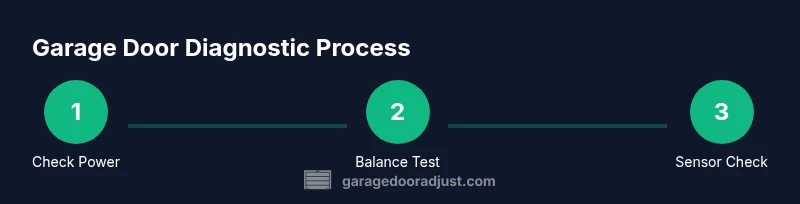
A structured diagnostic checklist helps you systematically identify the root cause of common issues. Start with the basics—power supply, opener response, and manual door balance—before moving to mechanical components like tracks, rollers, and springs. This approach minimizes unnecessary part replacements and keeps repair costs manageable. As you work through the checklist, document symptoms and outcomes in a notebook or digital log to share with a garage door repair LLC if you decide to hire one. In many cases, a well-documented history speeds up the diagnostic process and leads to a more accurate repair plan. If you encounter high-tension components or uncertain outcomes, pause and call a pro.
- Step through power, balance, tracks, and sensors in order.
- Document symptoms and measurements for reference.
- Stop at the point where you don’t feel confident; seek professional help.
The step-by-step process is designed to empower homeowners while recognizing limits where professional expertise is essential.
When to Perform Maintenance and Basic Repairs at Home
Routine maintenance is the best defense against unexpected failures. Regular lubrication of rollers, hinges, and tracks reduces friction and wear. Tightening loose screws and brackets can keep the system aligned and quiet. Cleaning debris from rollers and tracks helps maintain smooth operation. Avoid harsh solvents that can degrade seals and plastics. If you notice persistent rubbing, grinding, or irregular movement, reassess whether a simple maintenance task is sufficient or if a more extensive repair is needed. The goal is to maximize reliability without compromising safety. GarageDoorAdjust recommends documenting maintenance intervals and revisiting the inspection schedule every few months to catch wear before it becomes a breakdown.
- Lubricate moving parts every 6–12 months.
- Check for loose hardware quarterly and tighten as needed.
- Clean tracks and rollers to prevent buildup of grime.
Use this guidance to extend the life of your system and save on costly repairs.
When to Call a Pro: Evaluating Springs, Cables, and Major Components
Some repairs require professional expertise, particularly when torsion springs, high-tailure cables, or structural damage is involved. Springs operate under high tension and pose serious risks if mishandled. If you observe any signs of wear, deformation, cracking, or missing components, contact a licensed garage door repair LLC promptly. A pro can perform a precise balance test, safely replace springs, and calibrate sensors and safety features. Expect a thorough assessment, an itemized estimate, and a clear explanation of the parts and labor involved. The decision to hire a pro should be based on safety concerns, the complexity of the repair, and whether you have the required tools and training to complete the task without risk.
- Do not attempt spring or cable work without training and proper equipment.
- Seek a written estimate and warranty for parts and labor.
- Ensure the pro tests safety features after completing the repair.
This approach helps ensure your door is safe, functional, and compliant with local codes.
How to Choose a Reputable Garage Door Repair LLC: What to Look For
Selecting the right garage door repair LLC is critical for long-term reliability. Look for licenses and insurance, transparent pricing, and clear warranties. Read reviews and request references to gauge workmanship and customer service. A well-run company will provide a written inspection report, an explanation of the required parts, and a timeline. Ask about emergency service options and how they handle safety-critical repairs like springs or door balance. If possible, compare multiple quotes to ensure competitive pricing and a fair warranty. A professional service should also offer guidance on preventive maintenance to reduce future breakdowns and cost.
- Insist on written estimates, warranties, and licensing.
- Check customer reviews and request references.
- Ask about emergency response times and parts availability.
This decision affects safety, performance, and the door’s longevity.
Maintenance Plan for Longevity and Budgeting Basics
Create a simple maintenance calendar that aligns with your door’s usage and environment. Schedule semi-annual inspections, lubrication, and a yearly safety sensor test. Set reminders to check door balance and tighten hardware quarterly. Budget for annual maintenance and occasional parts replacement, including weather-stripping and weather sealing to improve efficiency and protection from the elements. A proactive approach minimizes bulk repairs and keeps your system operating smoothly. The GarageDoorAdjust approach emphasizes planning ahead, documenting service history, and choosing a trusted repair LLC to execute complex repairs when needed.
- Establish a maintenance cadence (e.g., every 6–12 months).
- Track service history and parts replaced.
- Prioritize safety checks and sensor alignment.
Proactive maintenance reduces surprise breakdowns and helps you manage costs effectively.
Authority and Learning: Where to Go for Guidance and Validation
For safety standards, repair procedures, and best practices, consult authoritative resources. Always cross-reference information with reputable sources, including consumer safety authorities and engineering guidelines. By combining practical, hands-on experience with official guidance, you’ll build a robust knowledge base for managing your garage door. If you prefer a professional opinion, a qualified garage door repair LLC can tailor recommendations to your specific door model and climate conditions. This balanced approach supports safe operation and prolongs the life of your system.
- Safety standards: CPSCs and OSHA guidelines provide general safety principles applicable to garage door work.
- Technical references: manufacturer manuals and industry publications offer model-specific guidance.
- Local codes: verify any jurisdictional requirements prior to major repairs.
Informed decisions lead to safer work and better outcomes.
Authoritative Sources and Next Steps
-
This guide references safety and maintenance practices recommended by industry professionals. For safety guidelines, see the U.S. Consumer Product Safety Commission (CPSC) and OSHA resources. For general energy efficiency considerations related to insulation and weather sealing, refer to Energy.gov guidance. Always corroborate with the specific manufacturer’s instructions for your door model.
-
Keep a service log, compare quotes when hiring a garage door repair LLC, and prioritize repairs that restore safe, reliable operation.
Keeping your door in good shape protects your home and family and reduces the likelihood of costly emergency repairs.
Tools & Materials
- Socket set(Includes metric and SAE sizes for bolts on door hardware.)
- Screwdrivers (Phillips and flat-head)(Varied sizes to fit hinges, brackets, and brackets.)
- Pliers(Need needle-nose for wiring and clip removal.)
- Ladder(Stable platform to reach tracks and hardware safely.)
- Safety glasses(Eye protection when testing or adjusting components.)
- Silicone-based lubricant(Use on rollers, hinges, and tracks; avoid WD-40.)
- Clamps or locking pliers(Helpful for stabilizing tracks during inspection.)
- Camera or notebook(Document wear patterns and inspection notes.)
Steps
Estimated time: 60-90 minutes
- 1
Disconnect power and secure the door
Power off the opener and engage manual-release securely. This prevents the door from moving unexpectedly while you inspect. Verify the path is clear and that no one will be near the door when you test it manually.
Tip: Always verify the door’s manual release operates smoothly before any inspection. - 2
Check door balance manually
With the door disconnected from the opener, lift and lower the door manually to feel for smooth, consistent movement. If it moves on its own or feels heavy on one side, balance adjustments or spring service may be needed.
Tip: Balance testing is a quick, telling check that helps distinguish between opener issues and door hardware problems. - 3
Inspect tracks and rollers
Examine tracks for dents, misalignment, or obstruction. Check rollers for wear or splitting and ensure rollers are rotating freely. Clean any debris from the tracks.
Tip: Avoid bending tracks; bent tracks can worsen misalignment and require professional repair. - 4
Lubricate moving parts
Apply silicone-based lubricant to rollers, hinges, and track joints. Wipe away excess to prevent dust buildup and ensure quiet operation.
Tip: Lubricate sparingly and avoid lubricants on nylon spacers or belt systems. - 5
Test safety sensors
Re-connect power and test the auto-reverse feature by placing an object in the sensor's path. If the door doesn’t reverse, the safety sensor alignment or wiring may be faulty.
Tip: Keep your hands away from the sensor beam during testing. - 6
Test opener operation
With everything reconnected, operate the door using the opener. Note any unusual noises, stopping points, or unusual speed. If issues persist, don’t force the door—safety and weatherproofing may be compromised.
Tip: Move slowly and observe the door’s travel path for inconsistencies. - 7
Document findings and plan next steps
Record symptoms, parts inspected, and any parts replaced. Decide whether to complete DIY maintenance or schedule a pro visit for more complex tasks like spring work.
Tip: A clear report helps the technician reproduce the issue and avoid duplicate diagnostics. - 8
Call a pro if springs or high-tension parts are involved
If you encounter signs of wear on springs, cables, or torsion components, contact a licensed garage door repair LLC. These parts require specialized tools and training.
Tip: Safety first: never attempt spring adjustments without proper equipment and expertise.
Got Questions?
Do I need a license to perform garage door repairs?
Whether you need a license depends on your location and the scope of work. Basic maintenance and non-structural tasks are often allowed for homeowners, but work involving springs, cables, or structural components typically requires a licensed professional. Always check local regulations and verify credentials before starting.
License requirements vary by area. For complex jobs, hire a licensed pro to stay compliant and safe.
When should I repair vs replace a garage door or opener?
Compare the door’s age, condition, and repair cost relative to a new system. If repairs are frequent or the door is beyond reasonable service life, replacement may offer better long-term value. Seek a professional assessment for a data-backed recommendation.
If repairs happen often or the door seems unreliable, replacement can be more cost-effective in the long run.
Is it safe to lubricate garage door tracks and rollers?
Yes, lubrication of moving parts like rollers and hinges is safe when using silicone-based products. Avoid lubricants that can attract dust or damage seals. Do not lubricate the torsion spring or any high-tension components.
Lubricate only the right parts with silicone-based oil, and don’t touch springs.
How long do garage door springs typically last?
Spring life varies with usage and environment. Springs can last for many cycles, but signs of wear such as visible gaps, rust, or uneven operation indicate it’s time to consult a pro for evaluation and possible replacement.
Springs wear out over time; watch for uneven lifting or noisy operation and call a pro when in doubt.
Can I fix a jammed door after a power outage on my own?
If the door is unresponsive after a power outage, start by safely testing manual operation and sensor alignment. If the door remains stuck or unsafe, a pro should diagnose and repair the opener components and safety sensors.
Start with manual operation and contact a pro if the opener won’t reset safely.
What should I consider when hiring a garage door repair LLC?
Look for proper licensing and insurance, clear written estimates, and warranties on parts and labor. Read reviews, request references, and ensure they can provide a detailed plan for your door model and climate conditions.
Check licenses, warranties, and customer reviews to choose a trustworthy pro.
Watch Video
Quick Summary
- Inspect and prioritize safety before DIY repairs
- Document symptoms to guide diagnostics and professional requests
- Know when to hire a licensed garage door repair LLC for springs or high-tension work
- Maintain a simple maintenance schedule to extend door life