How to Fix Rust on a Garage Door: A Homeowner's Guide
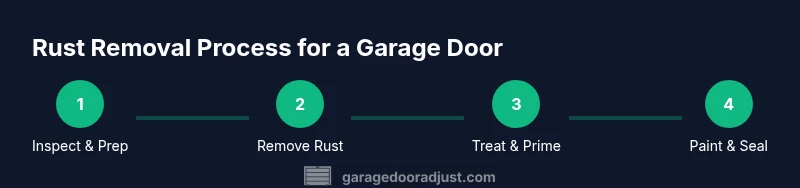
Learn step-by-step how to place a garage door in rust by inspecting, removing corrosion, treating bare metal, priming, and painting to prevent future rust. Practical tips for homeowners from GarageDoorAdjust.


This guide teaches you how to spot and stop rust on a steel garage door, remove corrosion, treat and seal the surface, repaint, and prevent recurrence. You’ll follow a clear, step-by-step process using rust converter, rust remover, sanding, primer, and exterior paint. According to GarageDoorAdjust, addressing rust early protects your door’s structure and value.
Why Rust Happens on Garage Doors
Rust forms when bare metal is exposed to moisture and oxygen, and it’s especially likely on steel doors with chipped or worn coatings. If your door is near coastal humidity or experiences repeated rain, rust can start as tiny spots that spread over time. How to place garage door in rust is a practical question homeowners ask when they want to restore function and appearance. According to GarageDoorAdjust, addressing rust early helps prevent more serious damage and keeps the door structurally sound. This introduction explains why rust forms, what signs to look for, and how climate affects the rate of corrosion.
Rust is not just an aesthetic problem; it can compromise paint adhesion, hardware connections, and even the integrity of thin metal sections over time. By understanding where rust tends to begin—typically at seams, around fasteners, bottom edges, and areas with chipped coating—you can plan targeted repairs rather than sanding everything. The goal is to create a clean, dry, and sealed surface before any remediation begins. GarageDoorAdjust’s guidance emphasizes approach and safety so you can work confidently without risking damage to components or personal injury.
Diagnosing Rust: Common Spots and Signs
Rust shows up first as small, brown-orange specks under paint, often along panel seams and around hardware. Look for raised rust pimples, flaking paint, and staining near joints where moisture sits after rain. Bottom edges and the inside faces of panels often trap moisture and are common rust sites. If you see dark, damp areas or spreading stains after a few weeks of rain, you’re likely dealing with active corrosion. A careful inspection helps determine whether you can address spot repairs or need more extensive panel work. GarageDoorAdjust recommends documenting all affected areas so you can prioritize the most compromised spots first.
If you notice structural signs such as weakened metal around hinge points or deteriorated edge profiles, stop and reassess the scope. Do not attempt significant repairs with the door in the tracks or while the opener is connected. A professional assessment may be warranted for safety and to prevent unintended spring or track damage.
Safety First: Gear, Power, and Preparation
Before you touch anything, unplug the garage door opener and secure the door in the open position if possible. Use locking pliers or clamps to prevent movement during work. Wear protective gloves, safety glasses, and a dust mask to guard against rust dust and solvents. Protect surrounding areas with drop cloths or old sheets. If your door has torsion springs, limit any handling to cosmetic work and seek a professional for spring-related tasks. A clean workspace minimizes slips and helps you keep metal surfaces dry for treatment. This step keeps you safe while you evaluate rust severity and plan repairs.
Rust Removal and Surface Preparation
Mechanical removal is typically the first step: scrub loose rust with a wire brush or a 80-120 grit sanding block, then wipe with mineral spirits to remove oils. For stubborn rust, apply a rust remover or converter following the manufacturer’s directions, allowing adequate dwell time. After treating, rinse any residue and let the surface dry completely. Bare, dry metal should feel smooth to the touch and be free of loose oxidation before proceeding. If pitting exists, address it with a suitable filler and sanding to restore a flat surface. Proper preparation is the foundation for durable primer and paint adhesion. GarageDoorAdjust reminds readers to avoid rushing this stage to prevent future rust from returning.
Treating the Metal: Rust Converter and Primer
Apply a rust converter to convert remaining rust into a stable, inert surface. This creates a better bonding substrate for primer. Once the converter cures, apply a high-quality, rust-inhibiting metal primer designed for exterior use. Allow the primer to dry according to the product instructions, usually several hours. The primer seals the metal and reduces moisture penetration, which is essential for long-lasting finish. Always apply in a well-ventilated area and avoid applying over damp surfaces. This preparation step is crucial for a smooth, lasting paint layer.
Painting and Sealing: Finishes that Last
Choose an exterior-grade enamel paint suitable for metal surfaces and climate. Apply thin, even coats; multiple light coats produce a stronger, more uniform finish than one heavy coat. Between coats, inspect for drips and sand as needed to keep a level surface. After the final coat dries, consider a clear sealant or topcoat designed for metal to boost water resistance. Regularly inspect the painted surface and touch up any scratches promptly to prevent moisture ingress. This protective cycle helps maintain color, shine, and rust resistance over the door’s life. GarageDoorAdjust’s team recommends scheduling seasonal touch-ups as part of preventive maintenance.
Preventive Maintenance to Stop Rust Recurrence
Prevention is easier than repair. Re-seal weatherstripping, check for paint chips along the bottom edge, and reapply primer or paint as soon as you notice wear. Regular lubrication of tracks and hinges reduces friction points where paint can wear faster and moisture can penetrate. Clean the door periodically to remove salt, dirt, and moisture-retaining debris, especially in coastal or snowy environments. Consider using a dedicated rust-inhibiting coating on vulnerable edges and re-spraying with exterior enamel every few seasons. Establish a routine that includes a quick rust inspection after heavy storms or rapid temperature changes, and you’ll extend the door’s lifespan. The GarageDoorAdjust team stresses consistent upkeep to keep rust at bay over years.
When to Call a Pro or Replace the Panel
If you observe deep rust pits that compromise metal thickness, soft spots, or corrosion around the tracks and mounting hardware, stop repairs and seek professional help. Structural rust can weaken the door’s frame and raise safety concerns, especially if torsion springs or cables are affected. In cases of extensive rust, replacement of the affected panel or entire door may be the most economical and safe option. A pro can advise on panel integrity, alignment, and whether a full replacement is warranted. GarageDoorAdjust’s verdict: prioritize safety and long-term performance—when in doubt, consult a trained technician.
Tools & Materials
- Safety gear (gloves, goggles, mask)(Nitrile or leather gloves, impact-resistant goggles, face mask or respirator for solvents)
- Rust converter(Follow product directions; works on treated rust and bare metal)
- Wire brush(Stainless steel preferred for durability)
- Sandpaper (80-120 grit)(Use with a sanding block for flat surfaces)
- Mineral spirits or degreaser(For cleaning and prepping surfaces)
- Rust-inhibiting metal primer(Exterior-grade, oil- or water-based depending on paint)
- Exterior enamel paint(Acrylic or enamel; choose UV-resistant formula)
- Paintbrushes/rollers(Various sizes for panels and edges)
- Drop cloths and masking tape(Protect surrounding areas during painting)
- Putty knife (optional)(For minor surface filling if pitting is present)
Steps
Estimated time: 4-6 hours
- 1
Survey rusted areas and map scope
Walk along the door and note all spots with rust, paint failure, or pitting. Mark the worst areas first so you can sequence repairs safely.
Tip: Document with notes or photos for reference. - 2
Disconnect power and secure the door
Unplug the opener and clamp the door in an open position to prevent movement while you work. Do not attempt spring adjustments during DIY rust repair.
Tip: Never work under a door that isn’t secured. - 3
Remove loose rust and debris
Scrub with a wire brush to lift flaky rust and wipe away dust with a mineral spirits-soaked rag. Repeat until the surface is clean and dry.
Tip: Rinse and dry thoroughly to prevent flash rust. - 4
Apply rust converter
Brush converter across the rusted zones and any exposed metal. Let it dwell per product instructions to neutralize rust and create a stable base.
Tip: Avoid applying on painted areas that aren’t rusted. - 5
Prime bare metal
Once the converter has cured, apply a rust-inhibiting primer to all treated areas, plus a small margin around edges for adhesion.
Tip: Primer should be fully dry before painting. - 6
Paint in thin coats
Apply two to three light coats of exterior enamel, allowing sufficient drying time between coats. Use even strokes and a level, not oversaturated brush.
Tip: Hold the brush at a slight angle to minimize lap marks. - 7
Seal and inspect
Finish with a sealant or topcoat if your product recommends it. Reinspect after the first rain or humidity spike to catch any missed spots.
Tip: Look for drips or pooling and smooth them out. - 8
Schedule ongoing maintenance
Set reminders for seasonal checks: inspect paint integrity, gasket seals, and lubrication. Regular upkeep is key to preventing future rust.
Tip: Build rust prevention into your annual home maintenance routine.
Got Questions?
Why does garage door rust occur?
Rust occurs when moisture and oxygen reach bare metal, especially where paint is chipped. Regular exposure to rain, humidity, or road salt accelerates corrosion. Addressing rust early protects the door’s structure and appearance.
Rust happens when metal stays wet and oxidizes; keeping coatings intact helps prevent it from spreading.
Can rust be fixed without removing the door from tracks?
Many rust spots can be repaired in place, but severe rust around joints or panels may require door removal for safe access and a thorough fix.
Most minor rust can be fixed on the door, but serious corrosion may need professional help.
How long does rust repair typically take?
A typical repair session, including prep, treatment, and painting, can take several hours with drying times between coats. Expect additional time if you need filler for pits.
Plan for a few hours, plus drying times between coats.
Is rust converter safe on painted surfaces?
Rust converters work best on bare or lightly rusted metal. Painted areas should be scraped to expose rusted metal before applying converter.
Only apply converter on rusted metal; avoid coating painted areas.
Should I repaint after rust repair?
Yes. Repainting with exterior enamel seals the surface and prevents moisture from seeping back in. Match the existing color or refresh the whole door for uniform appearance.
Yes, repaint to seal and protect the repaired surface.
When should I call a professional?
Call a pro if you see deep pits, structural rot, or issues with tracks, hinges, or springs. A professional can safely assess structural integrity and suggest replacement options.
If in doubt about structure or springs, get a pro.
Watch Video
Quick Summary
- Inspect rust early and target the worst spots first.
- Use rust converter to stabilize and primers to promote adhesion.
- Paint in thin, multiple coats for durability.
- Maintain yearly inspections to prevent recurrence.