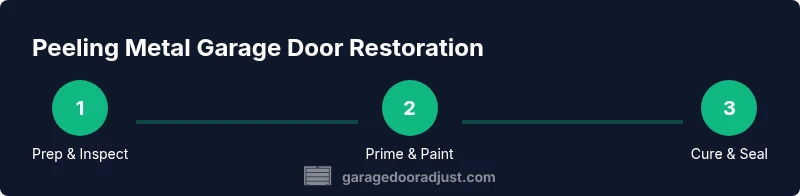
How to Paint a Peeling Metal Garage Door: DIY Guide
Learn a clear, step-by-step method to restore a peeling metal garage door. Safe prep, rust-inhibiting primer, and durable exterior paint for lasting curb appeal.


This guide explains how to inspect, prepare, prime, and paint a peeling metal garage door, with rust inhibitors and multiple coats for durable finish. You'll need safety gear, rust-inhibiting primer, exterior metal paint, and basic tools. Follow the steps to achieve a long-lasting, even finish.
Preparation and Surface Assessment
If you’re looking for how to paint a peeling metal garage door that is peeling without causing further damage, start with a solid plan. The door lives in a harsh outdoor environment, so prep is half the job. Begin by inspecting for rust, loose paint, and structural issues around hinges, seals, and handles. According to GarageDoorAdjust, a thorough assessment reduces surprises during painting and helps you allocate the right materials from the outset. Create a simple checklist: note peeling areas, check for rust pitting, and identify any rotten hardware that needs replacement. A well-documented prep phase minimizes rework and yields a smoother finish. The goal of this block is to map the door’s condition so you can tailor your approach: light peeling may only need a light sanding and primer, while heavy corrosion will require rust treatment and multiple coat cycles. Keep a notebook handy to track areas that need extra attention and the order in which you’ll treat them. Remember to choose a calm day with mild temperatures to keep primers and paints from drying too fast or too slow, which can affect adhesion and finish quality.
Safety and Protective Gear
Painting a metal garage door involves sanding, scraping, and handling chemicals. Prioritize safety by wearing a respirator or NIOSH-approved dust mask, safety goggles, cut-resistant gloves, and long sleeves. Ventilate the workspace if the door is installed in a garage connected to the home; outdoors is preferable when possible. Keep a bucket of water and a towel ready in case of splashes, and never mix paints near flames or sparks. If you have pets or children nearby, close gates and seal the work area. A calm, well-lit workspace will help you notice surface defects and ensure even coverage. As you proceed, document any rust treatment you perform for future maintenance references. Pro tip: set up drop cloths to protect concrete and vehicles, and tape off adjacent trim to keep paint from splattering onto non-target surfaces.
Surface Assessment and Paint Removal
The peeling metal area must be reliably prepared before priming. Use a stiff-bristle brush or putty knife to remove loose paint, flaking edges, and rust visible at the border of good paint. If rust is present, you can apply a rust converter or treat with a rust-inhibiting solution according to the product directions. This step is crucial because adhesion on a clean, dry surface determines how well the primer sticks and how long the finish lasts. After removing loose material, wipe the door with a damp cloth to remove dust and debris, then let it dry completely for at least 1–2 hours in dry conditions. GarageDoorAdjust analysis shows that better surface cleanliness correlates with longer-lasting adhesion of primers on metal doors. If you encounter deep pits or corrosion that compromises structure, plan for rust repair or panel replacement before painting.
Cleaning, Degreasing, and Drying
Now that the surface is free of loose paint, thoroughly clean to remove oils, grease, and dirt. A mild degreasing solution or soap-and-water wash is often enough, but heavy grime may require a dedicated metal cleaner. Rinse well and allow the door to dry completely. In cool or humid climates, drying can take longer, so you may use a fan to speed up the process. If any moisture remains when you apply primer, adhesion will suffer and you’ll see peeling sooner. Make sure all hardware is secured and any weatherstripping is removed or protected. The cleaner the surface, the more even your primer and paint will lay down, resulting in a more uniform finish.
Surface Smoothing and Rust Treatment
Lightly sand the entire surface with 120–180 grit sandpaper to feather edges and create a slightly rough surface for primer to grip. Wipe away dust with a tack cloth. For areas showing rust, brush with a metal brush or wire wheel to remove corrosion, then apply a rust converter if needed. The objective is to present a uniform substrate free of flaking; this helps the primer seal and prevents future peeling. If you see deep rust that exposes bare metal, consider spot-priming those areas separately before you proceed with the full coat. After sanding, vacuum or wipe again to ensure dust-free surfaces prior to priming.
Primer Selection and Application
Choose a rust-inhibiting primer designed for metal exterior use. A high-build, bonding primer with good adhesion to bare metal will give you a solid foundation for the topcoat. Apply the primer with a short nap roller (3/8 inch) for large flat areas and a brush for edges and corners. Avoid overworking the primer; a single even coat is better than multiple thick coats that trap solvents. Allow the primer to dry according to the manufacturer’s instructions, typically 1–2 hours in mild conditions. If you can apply a second coat, do so after the recommended dry time for maximum coverage and corrosion resistance.
Paint Selection and Color Decision
Select a high-quality exterior acrylic latex or enamel made for metal surfaces and outdoor exposure. Exterior latex paints are user-friendly, with good durability and flexibility to resist cracking as the door expands and contracts with temperature changes. If you expect heavy wear from doors that see frequent use, consider a semi-gloss or gloss finish for easier cleaning and a more durable surface. In very humid regions or coastal environments, a paint with a built-in UV stabilizer and rust protection will perform better over time. Always buy slightly more paint than you estimate to allow for touch-ups and repeat coats. If you’re unsure about the color, test a small area before committing to a full door-wide color.
Painting Techniques, Dry Time, and Finishing
Apply the first coat using long, even strokes, maintaining a consistent direction to avoid lap marks. Let the first coat dry fully (check the label for drying times), then inspect for thin spots or brush marks. If needed, scuff sand lightly, clean the dust, and apply a second coat for even coverage. Two coats of paint with a proper dry interval will yield a more durable finish and better color depth, especially on metal surfaces with previous peeling. After the second coat, avoid heavy usage of the door for at least 24–48 hours to ensure full curing. For best results in direct sun, plan on painting during cooler parts of the day to prevent premature drying that can cause brush marks and poor adhesion.
Curing, Sealing, and Maintenance
Once fully cured, inspect the door for uniform color and shine. If you notice pinholes or rough spots, you can lightly sand and apply a touch-up coat. Consider applying a clear topcoat or sealant designed for metal exterior use for additional protection against moisture and UV rays. Schedule routine maintenance every 1–2 years, including re-cleaning and touch-ups as needed. Keep hinges, tracks, and weatherstripping in good condition to maximize the door’s lifespan and minimize future peeling. A periodic wash with a gentle cleaner can help preserve the finish and prevent dirt buildup that can hide early signs of peeling.
Common Mistakes and Troubleshooting
Common mistakes include skipping surface prep, using the wrong primer or paint, and applying coats in unsuitable weather. Avoid painting over peeling edges or peeling paint without removing loose material, as the new finish will fail quickly. If you experience peeling after painting, assess whether the surface was fully dry and clean; improper curing or trapped moisture are frequent culprits. Temperature and humidity are key—avoid painting in extreme heat, cold, or high humidity. If runs or sags occur, lightly sand the area after it’s dry and recoat. By taking the time to prep properly and selecting the right products, you’ll achieve a durable, professional-looking finish.
Tools & Materials
- Personal protective equipment (respirator mask, safety glasses, gloves)(NIOSH-rated respirator for sanding; eye protection essential)
- Wire brush or wire wheel attachment(For removing rust and loose paint)
- Putty knife or scraper(To lift and remove peeling paint)
- Orbital sander with 120–180 grit discs(Feather edges and smooth surfaces)
- Tack cloths and clean rags(For dust-free surfaces)
- Mild degreaser or metal cleaner(Prepares surface without harming metal)
- Rust-inhibiting metal primer (bonding primer)(Prevents future peeling)
- Exterior metal paint (100% acrylic latex or enamel)(Choose gloss/Semi-gloss for durability)
- Paint tray, rollers (3/8 inch nap), and extension pole(Large flat areas; edges with brush)
- Fine-grit sandpaper (120–220)(Feather edges and smooth final coat)
- Drop cloths or tarps(Protect surroundings)
- Masking tape(Protect adjacent surfaces and hardware)
- Rust converter (optional)(Use on deep rust spots)
Steps
Estimated time: 2-5 hours
- 1
Inspect and plan
Survey the door for peeling areas, rust, and hardware wear. Create a simple plan and gather tools before starting. This reduces back-and-forth and speeds up the project.
Tip: Take photos of peeling sections to guide later touch-ups. - 2
Remove loose material and rust
Scrape away all loose paint and rust using a putty knife and wire brush. Feather edges so the new primer and paint bond evenly. Work in sections to keep control of the surface.
Tip: Work in a shaded area if possible to avoid rapid drying and poor adhesion. - 3
Clean and dry the surface
Wash with a mild degreaser to remove oil, grease, and dust. Rinse thoroughly and allow to dry completely, preferably 1–2 hours in dry conditions. Any remaining moisture will hinder adhesion.
Tip: Use a fan to speed up drying on humid days. - 4
Feather edges and smooth the surface
Lightly sand with 120–180 grit to create a smooth base and blend old and new paint. Wipe with a tack cloth to remove dust before priming.
Tip: Ensure dust-free surface for better primer grip. - 5
Prime with rust-inhibiting primer
Apply a thin, even coat of bonding primer designed for metal. Let dry per label (usually 1–2 hours). Add a second coat if coverage is uneven.
Tip: Avoid heavy coats—thin layers prevent cracking and peeling. - 6
Paint with exterior finish
Apply the first coat of exterior paint in long, even strokes. After drying, inspect for thin spots and recoat as needed with a second coat for solid color and protection.
Tip: Maintain a consistent direction to avoid lap marks.
Got Questions?
Do I need to remove all peeling paint before painting again?
Yes. Remove all loose material to ensure the new paint adheres properly and lasts longer. Skipping this step leads to premature peeling and a patchy finish.
Yes. Remove all loose material so the new paint sticks properly and lasts longer.
Can I use regular indoor paint on a metal garage door exterior?
Outdoor-rated paints are essential for exterior metal doors because they resist weather, UV exposure, and moisture. Indoor paints may peel quickly when used outside.
Outdoor-rated paint is essential; indoor paint will peel outdoors.
Is rust converter necessary if there is visible rust?
Rust converters are optional on light surface rust but helpful on heavier corrosion to stabilize the metal before priming. Follow product directions carefully.
Rust converter helps stabilize heavy rust; follow the product directions.
How long should the paint cure before using the door regularly?
Most exterior paints require 24–48 hours for light use and up to a week for full cure, depending on temperature and humidity. Check the paint label for specific guidance.
Expect at least 24–48 hours before regular use; full cure may take longer.
Can I paint in cold or rainy weather?
Avoid painting in freezing temperatures, high humidity, or rain. Ideal conditions are dry, mild temperatures with moderate humidity to ensure proper adhesion and drying.
Avoid painting in cold, humid, or wet conditions.
Should I reseal around hinges and hardware after painting?
Yes. Re-tape and reseal areas around hardware and edges to prevent moisture intrusion and ensure a clean, professional look.
Yes, reseal around hardware for moisture protection and a clean finish.
Watch Video
Quick Summary
- Prepare thoroughly before priming.
- Use rust-inhibiting primer for metal doors.
- Apply two coats for durable coverage.
- Allow adequate drying time between coats.
- Protect surrounding surfaces during the project.