Garage Door Paint Tips and Tricks: A DIY Guide
Learn step-by-step how to paint a garage door for a durable, weather-ready finish. Prep, materials, color choices, coatings, and maintenance with clear safety tips.


By following these paint tips and tricks, homeowners can refresh a garage door with a lasting finish. Start with proper prep: clean, sand, and prime, then choose a high quality exterior satin or semi gloss paint and a compatible primer. Apply multiple thin coats, seal edges, and cure in dry, mild weather for best durability.
Preparation and assessment
Before you reach for a brush, take stock of the door's material and current condition. Wood doors can absorb stain and paint differently than metal or steel; aluminum doors require different primers. Inspect for peeling paint, cracks, rust, or moisture damage. If you see any soft spots or rot, address them before painting, or you may trap moisture under a new coating. Dry weather windows are critical: aim for a stretch of several dry days with temperatures between 50-85°F (10-29°C). A painted door that must cure in damp air will peel or blister. According to GarageDoorAdjust, thorough prep is the single best predictor of long-term durability. Gather supplies ahead of time so you don’t get halfway through and realize you’re missing a primer or roller.
Choosing paint and primer
Exterior-grade acrylic latex paints are common for garage doors because they resist cracking and fading when properly primed. If you have metal surfaces, consider an oil-based bonding primer or a hybrid primer designed for metal; wood doors benefit from a wood-primer. For sheen, satin or semi-gloss is ideal on vertical or high-traffic surfaces; it cleans easily and hides imperfections better than flat finishes. Be mindful of color: lighter colors reflect heat, darker shades can absorb more heat, increasing expansion and contraction slightly. Always use a high-quality exterior primer and align your topcoat with the primer’s guidance. GarageDoorAdjust advises selecting a color with UV resistance and compatibility with the primer.
Surface prep in detail
Scrape loose paint and rust; remove peeling layers with a putty knife or scraper. If you see rust, use a rust remover or converter, then prime before painting. Fill deep gouges with exterior-grade putty, sand smooth, and wipe away dust with a tack cloth. Lightly sand glossy areas to create adhesion, using 120- to 180-grit paper; finish with a final wipe to remove dust. If the door has fiberglass or composite panels, follow manufacturer recommendations for preparation. This stage is where small mistakes are magnified after painting, so take your time.
Application techniques
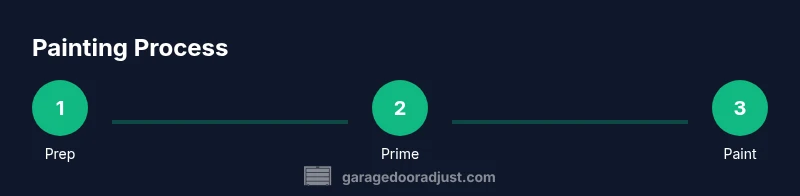
Prime any bare wood or metal areas first, then feather the edges to blend with the existing paint. Use a high-quality nylon Polyester brush for edges and a 3/8- or 1/2-inch nap roller for flat surfaces. Apply in thin, even coats; avoid heavy globs that can sag on vertical panels. If you’re spraying, keep the nozzle at a consistent distance and overlap passes to avoid lap marks. Allow first coat to dry fully according to the primer and paint labels, then sand lightly between coats for best adhesion. Maintain a calm, steady pace to prevent uneven texture. See Diagram 1 for a visual guide.
Maintenance and long-term care
Clean the door periodically with a mild soap solution and a soft brush to remove dirt that can degrade the finish. Inspect for peeling, chipping, or fading annually and touch up promptly to prevent larger repairs. Recoat every 5-7 years on average, or sooner in harsh climates or intense sun; always match the existing finish. Protect hardware with masking tape or a light coat of wax to minimize staining. Good ventilation during painting and curing reduces fogging and helps the coating cure evenly. GarageDoorAdjust notes that ongoing maintenance is simpler than repeated full re-paints.
Color selection and finish tips
Choose a color that complements your home’s exterior and the door’s material. Light colors reflect sunlight; darker colors hide dirt better but may require more maintenance. If you’re unsure, test color samples on a hidden area or a small panel and observe for 24 hours under sun and shade. Use UV-stable pigments and a topcoat designed for exterior use; avoid interior-grade paints. Finally, store leftover paint properly in a sealed can, label it, and keep it in a dry location for future touch-ups.
Authoritative sources and further learning
External resources: The EPA Lead Renovation, Repair and Painting Rule at https://www.epa.gov/lead, OSHA safety guidelines at https://www.osha.gov, and university extension resources at https://extension.oregonstate.edu.
Tools & Materials
- Exterior-grade primer (bonding primer for metal or wood)(Choose bonding primer suited to door material)
- Exterior satin or semi-gloss paint(Acrylic latex is common; check UV resistance)
- Synthetic or hybrid brushes (2-3 inch) and nylon/polyester rollers (3/8-1/2 inch nap)(For edges and large flat areas)
- Paint tray, drop cloths, painter's tape(Protect surrounding surfaces)
- Sandpaper (120-220 grit) and a putty knife(Smooth surfaces; fill gouges)
- Rust converter or rust remover (if rust present)(Optional but helpful for metal doors)
- Exterior wood filler or epoxy for deep gouges(Use for deep cracks)
- Respirator or dust mask, safety glasses, gloves(Personal protection)
- Ladder or stable work platform(Safe access to all panels)
Steps
Estimated time: 1-2 days total (including dry times between coats)
- 1
Inspect and prepare the door
Check the door for peeling paint, rust, and structural damage. Remove or loosen hardware if possible and clean the surface with mild detergent to remove dirt and oils. This ensures the new coating adheres properly. Allow a dry day to do this work.
Tip: Take photos of the door before and after so you can compare results later. - 2
Clean and degrease the surface
Wash the door with a gentle solution to remove grease and grime. Rinse with clean water and let it dry completely. A clean surface reduces dust and ensures primer sticks well.
Tip: Use a tack cloth to pick up fine dust after cleaning. - 3
Treat rust and repair damage
If rust is present, use a rust remover or converter and apply primer afterward. Fill any deep gouges with exterior filler and sand smooth. Rust-free surfaces improve coating longevity.
Tip: Never paint over flaking rust; address it first for durability. - 4
Sand and scuff the surface
Lightly sand glossy areas to create adhesion; wipe away dust with a tack cloth. Use 120-180 grit for metal and wood doors. A dull, non-glossy surface helps primer bond better.
Tip: Mask nearby areas to prevent dust contamination. - 5
Mask and protect surroundings
Protect nearby walls, concrete, and landscaping with drop cloths and painter’s tape. Remove or cover the hardware if feasible. Proper masking minimizes cleanup after painting.
Tip: Label areas you masked so you can restore them later. - 6
Prime the surface
Apply a bonding primer to bare metal or wood; let it dry fully according to the label before painting. Primer improves adhesion and blocks stains. Feather edges to blend with existing paint.
Tip: If using spray primer, maintain a steady distance and keep passes even. - 7
Apply paint and finish
Start with edges using a brush, then roll the large flat panels in thin, even coats. Allow the first coat to dry according to the product label and inspect for uniform coverage. Apply a second coat if needed for full color and protection.
Tip: Back-roll after spraying to ensure even texture and eliminate missed spots.
Got Questions?
Do I need to remove old paint before starting?
Not always. If the old paint is firmly adhered, you can sand and prime over it. If peeling or chipping, scrape it away before painting for a smooth finish.
If your door’s old paint is peeling or loose, remove it first. Otherwise, scuff and prime to ensure new paint sticks.
What kind of paint is best for garage doors?
Use exterior-grade acrylic latex or oil-based bonding primers as appropriate for your material. Satin or semi-gloss finishes work well for durability and ease of cleaning.
Choose an exterior acrylic latex or oil-based paint with a durable satin or semi-gloss finish for strength and washability.
Can I paint over rust without removing it?
No. Treat and neutralize rust with a converter or remover before priming. Painting over rust traps moisture and leads to peeling.
Don't paint over rust. Remove or convert it first, then prime before painting.
How long does painting typically take?
Expect a day or two of active work plus drying time between coats, depending on weather and door size. Plan for a weekend project for most homes.
Most doors take a day or two of work with drying time between coats.
Should I remove the door from its hinges to paint?
It's optional. If you can paint all surfaces with the door mounted, mask hardware and work carefully. For large doors, removing the door can give full access.
You can paint with the door on its hinges if you mask well; otherwise remove for full coverage.
Watch Video
Quick Summary
- Prepare surface thoroughly for optimal adhesion
- Choose exterior primers and topcoats with UV resistance
- Apply multiple thin coats, not a single thick layer
- Mask surrounding areas and protect hardware
- Allow proper cure time between coats