How to Make Garage Door Manual: A Practical Guide
Learn how to make garage door manual safely and reliably. This guide covers disengaging the opener, testing balance, installing a proper manual release, and maintenance to keep manual operation smooth for homeowners.


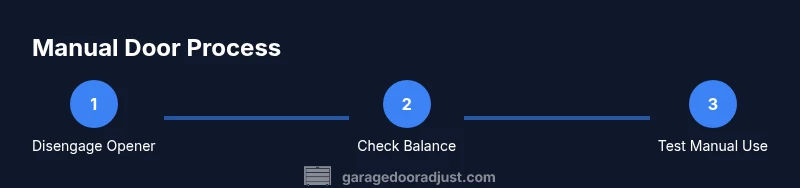
Here's how to make garage door manual: disengage the automatic opener using the release handle, then confirm the door can be raised and lowered by hand with safe control. Check balance by lifting halfway and ensuring it holds position. If you notice slipping, binding, or a loose release, stop and consult a professional.
How to Make Garage Door Manual: Core Concept
Grasping the core concept of how to make garage door manual is essential before you attempt any disengagement or testing. The manual operation is separate from the electric opener, and the door should balance smoothly so it can be moved by hand without heavy effort. According to GarageDoorAdjust, homeowners should never attempt to modify torsion springs or cables themselves; those systems carry dangerous energy. A proper manual setup focuses on safe disengagement, reliable balance, and clear release points. In this section we’ll outline the key ideas, what you’ll need, and the checks that ensure reliable manual operation in everyday use.
Safety First: Before You Begin
Manual operation is a routine safety task that becomes risky if the door is unbalanced, if the release hardware is worn, or if the area around the door isn’t clear. Before starting, unplug any nearby appliances only if your model instructs you to do so, keep children and pets away, and wear eye protection. Evaluate the door for any visible wear on hinges or tracks, and ensure the floor beneath the door is dry and free of hazards. The goal is to create a controlled environment where manual operation won’t cause the door to unexpectedly drop or slam shut, which can injure hands or feet.
Disengaging the Opener: Step-by-Step
Disengaging the opener is the first concrete action in making garage door manual. Locate the release handle or latch, usually a red cord or lever on the rail or trolley. Pull the release toward you until the trolley disengages from the motor carriage. You should be able to move the door by hand with little resistance once disengaged. Confirm the opener is off by performing a quick visual check and listening for the absence of motor activity. Keep the area clear and ensure your hands stay away from the door hinges during the transition.
Verifying Manual Operation and Balance
With the door disengaged, test manual operation by lifting the door to a mid-height position, then slowly release to see if it stays put or drifts. A properly balanced door should stay in place with minimal effort. If the door drops noticeably, it may indicate an underlying balance issue or spring tension that should be evaluated by a professional. Never attempt to adjust springs or cables yourself; that work requires specialized training and tools. This balance check is a critical safeguard before relying on manual operation for daily use.
Managing the Manual Release Hardware
Inspect the manual release hardware for security and integrity. Check the release handle, bracket, and any connecting cables to ensure there are no frays, loose screws, or wear. If you notice damage or excessive wear, replace the worn components or have them inspected by a qualified technician. Do not attempt to substitute parts with improvised fixes. A solid release mechanism is essential for reliable manual operation and quick disengagement when needed.
Operating the Door by Hand Safely
When moving the door by hand, keep your body to the side to avoid pinch points at the hinges, and use slow, steady motions. Place hands at the bottom corners to reduce finger pinching risk and maintain control. If the door feels heavy or binds at any point, stop and re-evaluate the area for obstructions or misalignment. Exert only as much force as necessary and never race the door upward or downward.
Maintenance for Reliable Manual Operation
Regular maintenance helps ensure reliable manual operation. After each use, inspect for loosened hardware, worn cables, or stiff rollers. Lubricate moving parts such as rollers, hinges, and tracks with a light silicone-based lubricant. Keep weatherstripping in good condition to prevent debris from entering the track. Routine checks reduce the likelihood of sudden, unsafe movement and extend the life of the door system.
Troubleshooting Common Scenarios
If the door hesitates to move or slips after disengagement, examine potential causes such as obstructions in the track, misalignment, or friction from dirty components. Do not attempt to repair torsion systems yourself. If you identify frayed cables, creased tracks, or persistent binding, call a professional. For stuck doors that refuse to move, assess safety first and avoid forcing the door.
When to Call a Professional
Some situations require expert assistance. If manual operation reveals persistent imbalance, misalignment, damaged springs, or a release mechanism that cannot be securely engaged, contact a licensed garage door technician. The GarageDoorAdjust team recommends professional evaluation for any issues beyond basic disengagement and manual lifting. Professional service can prevent injuries and ensure continued safe operation.
Tools & Materials
- Release handle / manual release latch(Identify the manual release mechanism; red handle is common.)
- Ladder(Stable, tall enough to reach the door rail.)
- Safety glasses(Eye protection; prevents debris exposure.)
- Work gloves(Grip and protect hands during lifting.)
- Flashlight or headlamp(Bright light for dim or attic-access doors.)
- Screwdriver set (Phillips & flathead)(Inspect screws and hardware; tighten as needed.)
- Wrench or pliers(For nuts on brackets or hardware connections.)
- Marker or tape(Label positions for future checks.)
- Lubricant (silicone spray or light oil)(Keep moving parts smooth; avoid over-lubrication.)
- Phone with emergency contacts(Have a plan if help is needed.)
Steps
Estimated time: 30-60 minutes
- 1
Identify manual release and safety area
Locate the manual release handle and clear the space beneath the door. Verify you can access the release without standing directly underneath the door.
Tip: Do not stand under the door while testing the disengagement. - 2
Clear the work area
Remove obstacles from the path, dry the floor, and ensure pets or children are away. A clean area reduces the risk of tripping or unintended door movement.
Tip: Keep a small mat to catch debris and prevent slips. - 3
Disengage the opener
Pull the release handle toward you until the trolley disengages from the motor. Confirm the motor is not engaged and no electrical action occurs.
Tip: If the door is resistant to movement, stop and recheck alignment and obstructions. - 4
Test manual lift at mid-height
Grasp the door evenly and lift to a mid-height position. If it holds, balance is acceptable for manual use; if it descends, stop and seek professional assessment.
Tip: Have a helper ready to assist if the door becomes heavy or unstable. - 5
Observe balance through full range
Open and close the door by hand through its full travel. Listen for binding or jerky motion and adjust only non-spring components if needed.
Tip: Move slowly to detect subtle issues early. - 6
Inspect release hardware
Check the release handle and brackets for wear, and examine any attached cables for fraying. Do not attempt spring or cable adjustments yourself.
Tip: Replace worn parts rather than attempting makeshift repairs. - 7
Practice controlled operation
Repeat opening and closing motions, maintaining control and keeping fingers clear of hinges and tracks.
Tip: Use bottom corners to reduce pinch risk. - 8
Re-engage the opener if needed
If you plan to use automatic operation again, re-engage per manufacturer guidance and test with the wall control.
Tip: Ensure the door stays in the open position when disengaged before re-engaging. - 9
Document and secure
Record any observations and store notes for future maintenance. Ensure the release is safe and out of reach of children when not in use.
Tip: Keep a small maintenance log near the door.
Got Questions?
Is it safe to use the manual release frequently?
Yes, you can use the manual release when needed, provided the area is clear and the door balance is good. Do not attempt to adjust springs or cables yourself. If you notice unusual resistance, stop and consult a professional.
You can use the manual release when necessary, as long as the area is clear and the door balance is sound. If anything feels off, contact a professional.
What should I do if the door doesn't stay in place after release?
A door that does not stay in place after release likely indicates an imbalance or worn hardware. Do not keep forcing it. Disengage safely and call a professional to assess balance and spring conditions.
If the door won’t stay in place, disengage safely and contact a professional for balance and spring checks.
Can any garage door be converted to manual operation?
Most doors can be operated manually, but many require proper safety features and non-damaging disengagement. Do not modify torsion springs or cables yourself. Check the manufacturer’s guidance before attempting any conversion.
Most doors can be operated manually, but avoid changing springs yourself and follow the manufacturer’s guidance.
Do I need a professional to disengage the opener?
Not necessarily, if you follow the manufacturer’s instructions and the area is safe. If you encounter resistance or suspect damage, stop and call a pro. This is especially important for springs or tracks.
You can disengage yourself if it’s safe, but call a pro if anything seems off.
What maintenance keeps manual operation reliable?
Regularly inspect hardware and cables, lubricate moving parts, and keep tracks clean. Do not oil exposed cables or springs. Document any changes and test balance monthly.
Keep hardware tidy and well-lubricated, check balance periodically, and avoid oil on springs.
Watch Video
Quick Summary
- Disengage the opener safely before manual operation
- Test balance and ensure the door stays put when released
- Inspect release hardware regularly
- Know when to call a professional