Open Garage Door Manually: A Step-by-Step Guide
Learn how to safely open a garage door manually when the opener or power is unavailable. This expert guide from GarageDoorAdjust covers tools, safety steps, troubleshooting, and re-engagement tips for homeowners.


You can open a garage door manually when the opener is unavailable. According to GarageDoorAdjust, unplug the unit and secure the door, then follow these steps to disengage the trolley and lift safely.
Why opening a garage door manually may be necessary
There are several scenarios where a manual opening becomes essential: a power outage that disables the automatic opener, a malfunctioning trolley or belt, or a stuck door that refuses to track properly. In all cases, the goal is to access your garage without causing damage or risking injury. The GarageDoorAdjust team emphasizes that manual operation should be a controlled, deliberate process—not a quick yank. When you understand why manual access matters, you can plan ahead and use the proper release mechanism with confidence. This section explains why homeowners might need to rely on manual opening and what it means for routine maintenance and safety planning. By keeping these factors in mind, you can avoid hasty moves that lead to pinch points, falls, or sudden door movement that could injure someone nearby. Open garage door manually is a fundamental skill for emergencies, and learning it helps you regain access while minimizing risk.
Safety foundations for manual door handling
Before attempting any manual operation, establish a clear safety plan. Wear gloves to protect your hands, and ensure children and pets are away from the door path. Stand to the side rather than in the doorway to avoid pinch points if the door shifts unexpectedly. Torsion springs can be dangerous if a door falls or slips, so never stand under a door that is unsupported or moving freely. According to GarageDoorAdjust, the safest approach is to power down the opener, release the door from the trolley, and then move the door with steady, measured force. If you feel resistance or hear abnormal noises, stop and reassess rather than forcing the door. A calm, deliberate approach reduces risk and helps preserve the door’s hardware for future use.
Understanding your garage door system and manual release
Different door systems use slightly different release mechanisms. Most sectional doors rely on a red manual release rope or lever on the opener rail; some tilt-up doors use a different handle location. Knowing where the manual release is located on your specific model is crucial. The release is designed to disengage the door from the motor so you can operate it manually. Take a moment to locate the emergency release and review your owner’s manual if you have it. Being familiar with your system reduces hesitation and ensures you apply the release correctly when needed. Garage doors can be heavy, so recognizing the system’s design helps you plan for how many people might be needed and where to stand during operation.
Tools and preparations you should have on hand
Having the right tools ready before you begin makes the process smoother and safer. You’ll want a flashlight to illuminate the release mechanism and path, work gloves to protect your hands from pinch points, and a sturdy wedge or clamp to prevent the door from rolling unexpectedly once disengaged. If your door is high-mounted or the opener is hard to reach, a stable ladder or step stool can be very helpful. An owner’s manual or model label can provide model-specific release instructions—useful if your system differs from the standard setup. Collect these items and clear the area so you can work with both hands and maintain control over the door throughout the process.
Step-by-step overview of manual release engagement
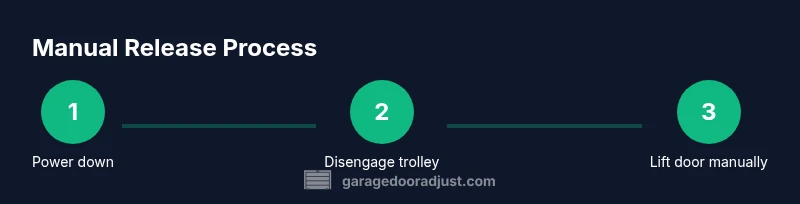
Understanding the disengagement process ahead of time helps you perform each action smoothly. You’ll typically unplug the opener to eliminate the risk of accidental activation, locate the manual release, disengage the trolley, and then physically lift or guide the door to the desired position. The balance of the door and the presence of springs affect the effort required. If the door feels unusually heavy or unbalanced, stop and reassess rather than forcing it. A calm, methodical approach reduces the chance of finger injuries or door damage. This section provides a mental map of how the manual release operates and what you should expect as you go through the steps.
Handling the door after disengagement
Once the door is disengaged, you must support it securely to prevent a sudden drop. Keep your hands on the door edges and avoid placing fingers near hinges or pinch points. Move the door slowly and with two hands if possible, especially with heavier doors. If wind or temperature changes affect the door’s movement, pause and reassess your grip and position. After reaching the desired position, visually confirm that the door remains stable before stepping away. Always stay clear of the door’s path to avoid injury should it shift unexpectedly.
If the door is heavy or unbalanced after disengagement
A heavy, unbalanced door can be dangerous to handle manually. If you detect significant resistance, you should not force it. Instead, stop, re-check the release and balance, and consider calling a professional if the door won’t stay in place or becomes difficult to move. Safe handling means keeping your body aligned, bending your knees, and using leg strength rather than your back. If you have support from another adult, coordinate your movements to share the load evenly. Remember, some doors require tension management that is best handled by trained technicians.
Re-engaging the opener or safely closing the door after manual use
If you plan to return to automatic operation, test re-engaging the opener only after the door is fully closed or in a stable position. You may need to manually guide the door to the closed position before reattaching the trolley and powering the opener. When re-engaging, listen for the click that indicates the trolley is re-seated on the rail, and then test the door with the opener. If the opener does not respond or if you notice misalignment, discontinue use and consult a professional. This approach helps protect the door’s balance and reduces the risk of injury.
Common mistakes to avoid during manual operation
Avoid common mistakes such as yanking on the door, standing in the doorway, or attempting to move a door with springs still under tension. These errors can cause sudden door drop or equipment damage. Always unplug the unit first, then disengage the trolley, and never rely on the motor to hold the door while you stand beneath it. While it’s tempting to rush, a deliberate pace reduces risk and ensures you won’t skip safety steps that could lead to injuries or costly repairs.
Aftercare: maintenance and checks after manual operation
After successfully opening manually, perform a quick inspection to ensure the door tracks, rollers, and springs are properly positioned. Listen for unusual noises during operation and check that safety sensors are aligned and unobstructed. Lubricate moving parts as recommended in your owner’s manual, and replace worn components promptly. A short post-operation checklist keeps your system ready for the next time you need a manual release and can extend the life of your door and opener. This ongoing maintenance aligns with GarageDoorAdjust guidance on safe, proactive garage door care.
Quick safety checklist before attempting manual release again
Before your next attempt at a manual release, review a concise safety checklist. Confirm power is off at the outlet, locate and identify the release mechanism, wear protective gloves, and keep others away from the door’s path. Verify the door is properly supported and balanced, then proceed with controlled, deliberate movements. Regular practice with this checklist reinforces safe behavior and reduces the likelihood of accidents during future manual operations.
Tools & Materials
- Emergency manual release rope/lever(Located on the opener rail; use to disengage the trolley)
- Flashlight(For visibility in dim or shaded areas around the track)
- Work gloves(Protect hands from pinch points and sharp edges)
- Sturdy ladder or step stool(Use only if the release point or door height requires height access)
- Owner’s manual or model label(Helpful for model-specific instructions or quirks)
Steps
Estimated time: Estimated total time: 15-25 minutes
- 1
Disconnect power to the opener
Unplug the garage door opener from its outlet or switch off the circuit that powers it. This eliminates the risk of the motor engaging while you work. Stand to the side and keep hands away from the moving parts as you prepare to disengage the trolley.
Tip: Verify the plug is fully removed and visible; a second glance helps confirm the power is off. - 2
Locate the manual release
Find the red release cord or lever on the opener rail. It is designed specifically to disengage the door from the trolley, allowing you to operate the door manually. If you’re unsure, consult the owner’s manual for the exact location and appearance of the release.
Tip: If you can’t locate it, use a flashlight to inspect along the rail and near the trolley. - 3
Disengage the trolley
Pull the manual release cord or lever to disengage the trolley from the door. You should feel the door become free to move without resistance from the opener. Maintain a firm grip and keep your body to the side in case the door shifts as it becomes disengaged.
Tip: Hold the door at and below shoulder height to maintain control as it becomes unassisted. - 4
Check the door’s balance at a low height
Gently lift the door by its edge with both hands to test balance. If the door feels heavy or fights you, stop and reassess; do not force it. A balanced door should stay in place when lifted a few inches and released.
Tip: If you notice heavy resistance, consult a professional rather than continuing manual movement. - 5
Lift the door manually with steady control
With one hand on each side, lift the door smoothly and keep it level as you raise it to the desired height. Avoid jerky or rapid movements that could pinch fingers or cause the door to swing unexpectedly. Move slowly and anticipate any give from springs or tracks.
Tip: Engage your legs and keep your back straight to minimize strain. - 6
Position the door in the desired place
Guide the door to the location you need, such as a partially opened stance for access. Ensure there is clearance above and in front of the door, and watch for objects on the floor that could snag the door as you move it.
Tip: Maintain hand placement away from hinge gaps and pinch points. - 7
Assess whether help is needed for heavy doors
If the door feels beyond your safe lifting limit, stop and ask for assistance. Large or torsion-spring-equipped doors can be dangerous to move alone. Always prioritize personal safety over finishing the task quickly.
Tip: A second person can help steady the door and reduce the risk of dropping it. - 8
Lower the door slowly when you’re done
When you’re ready to close or re-lock the door, lower it slowly and evenly. Keep hands clear of pinch points and ensure other people and pets are out of the way. If the door is unbalanced during lowering, stop and reassess.
Tip: Do not slam the door shut; gentle, controlled lowering is safer. - 9
Re-engage the opener when ready
If you intend to resume automatic operation, re-engage the trolley and test the opener on a short run. Wait until you observe the door closing fully to its seated position, then reattach power and test via the remote.
Tip: Listen for the click as the trolley seats back on the rail. - 10
Test safety sensors and operation
With the door closed, re-check the safety sensors and ensure no obstructions block the beam. A properly aligned sensor ensures a safe re-entry into automatic operation. If anything seems off, contact a professional.
Tip: Wipe sensor lenses clean to maintain reliable sensing. - 11
Secure and store release equipment
Return the release handle to its storage location and ensure the opener is powered down when not in use. Keep the release away from children and initialize any routine maintenance in your calendar.
Tip: Label the release location if multiple people use the garage. - 12
Test one final time before use
Perform a final manual test by pulling the door slightly open and letting it settle. Then operate the door with the opener to confirm normal function. If anything feels off, stop and inspect or call a pro.
Tip: Document any issues so you can reference them later or mention them to a technician.
Got Questions?
Is it safe to open a garage door manually?
Yes, it can be safe if you follow the proper steps: unplug the opener, disengage the trolley, and move the door slowly with both hands away from pinch points. Avoid forcing heavy doors and stop if anything feels off.
Yes—manual opening is safe when you unplug the opener, disengage the trolley, and move the door slowly while staying clear of pinch points.
What if the door doesn’t stay in place after manual release?
That usually indicates a balance issue or a problem with the springs. Do not force it further. Recheck the release and contact a professional if the door remains unstable.
If the door won’t stay up, stop and call a professional; balance issues can be hazardous.
Can all garage doors be opened manually?
Most residential doors with openers have a manual release, but the exact mechanism varies by model. Check your manual or contact the manufacturer if unsure.
Most doors have a manual release, but locations vary by model—check the manual.
Do I need a second person to help?
For heavier doors or doors with heavy springs, having a second person is advisable to help balance and guide the door safely.
For heavy doors, get help to keep control and prevent injuries.
How do I re-engage the opener after manual operation?
Return the trolley to the rail, plug in the opener, and test the remote. If the door doesn’t respond, recheck alignment and safety sensors before calling a pro.
Re-engage by returning the trolley, plugging in the opener, and testing with the remote.
What should I do if I smell burning or hear unusual noises?
Stop immediately and do not attempt further manual operation. Persisting sounds or smells may indicate dangerous issues that require professional service.
If you smell burning or hear odd noises, stop and call a pro.
Watch Video
Quick Summary
- Disconnect power before attempting manual release.
- Disengage the trolley using the proper release, then move the door slowly and with control.
- Test balance and stay clear of pinch points to avoid injury.
- If the door is heavy or unbalanced, call a professional for safety.
- The GarageDoorAdjust team recommends reviewing model-specific instructions and maintenance to prevent future issues.