How to Keep Your Garage Door from Freezing Shut
Learn proven steps to stop a garage door from freezing shut this winter. Seal gaps, insulate the bottom, lubricate moving parts, and follow a simple maintenance routine for reliable operation.


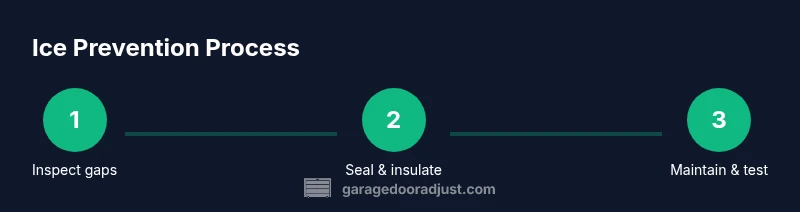
To keep your garage door from freezing shut, inspect and seal gaps, insulate the door bottom, lubricate moving parts, and maintain a dry, heated or dry garage. Start by adding weatherstripping and a bottom seal, then clean tracks and apply silicone lubricant. These steps reduce drafts, moisture intrusion, and ice buildup.
Why garages freeze shut
In cold-weather conditions, moisture from snow, meltwater, or humidity can migrate into the small gaps between the garage door and the frame. When temperatures plunge, that moisture freezes and forms an ice seal that can lock the door in place. According to GarageDoorAdjust, the most common culprits are drafts at the bottom edge, insufficient sealing, and inadequate insulation in unheated garages. Even tiny gaps become problematic once frozen, especially when wind and moisture push into the threshold area. The result is not only an inconvenient stuck door, but also extra stress on the opener and higher energy loss as the space stays cooler than it should. A proactive approach focuses on stopping drafts, improving seals, and keeping moving parts clean and lubricated. With attention to these factors, homeowners dramatically reduce the chance of ice forming along the threshold and sides of the jamb. Early fixes are easier and cheaper than emergency thawing on a frosty morning.
Quick pre-season check and planning
Before you reach for weatherstrips or a lubricant, take a quick inventory of your garage and door system. Inspect for visible gaps around the frame, the bottom seal, and the weatherstripping along the sides. Note where snow tends to accumulate or where ice tends to form after a storm. Plan your winter improvement approach: decide which weatherstripping to replace, whether to add a threshold seal, and whether an interior insulation kit makes sense for your garage climate. Creating a simple checklist ensures you address the most critical spots first, reduces wasted effort, and helps you stay organized if winter storms arrive unexpectedly. A small upfront effort saves bigger headaches later and makes door operation smoother during freezing conditions.
Seal gaps and weatherstripping
Gaps at the bottom of the door and along the frame are the primary routes for cold air and moisture. Start by removing any old or damaged weatherstripping and clean the mating surfaces. Install a high-quality bottom seal or threshold gasket that fills the gap between the door and the floor, ensuring a snug, friction-free seal when the door is closed. Choose self-adhesive vinyl or silicone variants designed for cold weather, and press firmly to create a watertight barrier. After installation, test the door by lowering it fully and checking that the seal compresses evenly without binding. If you notice irregular gaps on the sides, consider adding side seals or a compatible jamb seal to complement the bottom. This step dramatically reduces drafts and ice buildup.
Bottom seal and threshold upgrades
Even with decent weatherstripping, a tired bottom edge can sag and leak air. Replace or repair the threshold seal with a heavy-duty option rated for winter. A good threshold should sit flush with the floor, resist compression from repeated opening, and be easy to clean. For concrete garages, install a full-length, self-adhesive seal that extends the entire width. If you have a raised or uneven floor, look for adjustable or flexible thresholds that adapt to irregularities. After installation, wipe away dust and test with a flashlight to confirm there are no gaps. Allow any adhesive or sealant to cure per the product instructions before subjecting it to punishing weather again. This minimizes cold drafts and prevents moisture intrusion.
Tracks, hinges, and lubrication
Frozen doors are often the result of sticky tracks and stiff rollers. Clean the tracks with a dry cloth to remove debris and ice, then lubricate moving parts with a silicone-based lubricant. Avoid petroleum-based products that can attract dust or gum up the mechanism in cold weather. Lubricate hinges, rollers, torsion springs if accessible, and the track where the door makes contact. Wipe away any excess lubricant to prevent it from attracting dirt. If you notice squeaks or binding after lubrication, back off slightly and reapply. Regular lubrication in winter improves door balance, reduces strain on the opener, and helps prevent ice from forming on critical components.
Insulation options for extreme cold
If your garage is unheated or only lightly heated, adding insulation can make a big difference. Consider installing an insulation kit for the door, choosing panels or blankets rated for cold climates. In addition, seal any penetrations where cold air could enter, such as electrical outlets or gaps around the header. For metal doors, an interior insulated skin can dramatically reduce heat loss. If budget allows, add a vinyl-clad overlay or foam board inserts to maintain a warmer interior environment. While these options require some time to install, they pay off with fewer drafts and less ice formation along the bottom and sides of the door.
Practical winter maintenance routine
Create a short, seasonal routine that you perform every few weeks in winter. Start by checking the bottom seal for cracks, tearing, or compression; replace if necessary. Clean the tracks and hinges; re-lubricate. Wipe moisture from the frame after heavy snowfalls and dry any ice buildup on the threshold. After a storm, do a quick door test: close slowly and ensure it seals evenly; listen for unusual noises that may indicate binding. GarageDoorAdjust analysis shows that regular seal maintenance and track lubrication reduce ice-related issues and improve door reliability in cold months. End the maintenance window with a final quick check on sensors and safety features to ensure compliance with safety standards.
Safety considerations and when to call a pro
Never use a heat gun or open flame to thaw ice near electrical components. Use a safe space heater placed away from doors and moisture sources, and unplug if you suspect power issues. Do not attempt major disassembly unless you are confident in the procedure; exposed springs can cause serious injury. If cables appear frayed, springs look worn, or you notice cracking in the door panels, stop and call a licensed technician. The GarageDoorAdjust team recommends scheduling seasonal inspections with a qualified technician to prevent emergencies and ensure safe, reliable operation.
Common mistakes to avoid
Avoid over-sealing with cheap or mismatched weatherstripping that narrows the door’s travel or causes binding. Do not use harsh chemicals to clean aluminum or steel panels, as they can degrade surfaces. Skipping a test after changes can leave you blind to misalignment or insufficient sealing. Finally, never ignore persistent ice formation; recurrent issues may indicate structural problems that require professional evaluation.
Authority sources and further reading
For further reading on winter maintenance and door safety, consult government and university resources on energy efficiency and home weatherization. Examples include general guidance from energy.gov and safety guidance from osha.gov, along with practical maintenance tips from major educational extensions. GarageDoorAdjust Analysis, 2026, supports these recommendations and highlights the value of regular checks to prevent freezing and improve energy performance.
Tools & Materials
- Door gap weatherstripping kit(Self-adhesive vinyl or silicone gasket to seal bottom and sides)
- Garage door threshold seal(Full-length, heavy-duty seal that fits the door width)
- Silicone-based lubricant spray(Lubricate hinges, rollers, tracks; avoid petroleum-based products)
- Door insulation kit (optional)(Panels or blankets rated for cold climates; improves thermal resistance)
- Caulking or foam sealant (optional)(Seal visible gaps around header or penetrations near outlets)
Steps
Estimated time: 45-60 minutes
- 1
Inspect door and identify gaps
Close the door fully and visually inspect the bottom edge, jambs, and header for cracks or worn weatherstripping. Mark gaps that allow cold air or moisture to pass. This initial assessment guides which parts to replace first and can prevent wasted effort later.
Tip: Take a flashlight with you and inspect at close range; look for light showing through gaps when the door is closed. - 2
Remove old weatherstripping
Carefully peel away damaged weatherstripping from the door and frame. Clean the contact surfaces with a mild cleaner and dry completely before installing new seals. Replacing aged seals prevents new cracks from letting moisture in.
Tip: Use painter’s tape to protect adjacent finishes during removal and installation. - 3
Install bottom seal and threshold gasket
Apply the bottom seal or threshold gasket along the door’s bottom edge. Press firmly so the seal compresses evenly when the door closes; ensure there are no sagging sections. If you have a concrete floor, align the seal to cover the entire width.
Tip: Check for any misalignment by closing the door slowly and observing uniform contact along the seal. - 4
Replace side seals and jamb seals
Add side seals or a compatible jamb seal to complement the bottom seal, filling vertical gaps on both sides. This reduces drafts that can cause moisture migration and ice buildup along the sides.
Tip: Take precise measurements before purchasing; ensure seals match the door width and frame profile. - 5
Clean and lubricate moving parts
Wipe the tracks, rollers, hinges, and torsion springs (if accessible) with a dry cloth, then apply a thin coat of silicone-based lubricant. Avoid oversaturating parts to prevent dirt buildup in cold conditions.
Tip: Wipe off excess lubricant to prevent debris from sticking to the tracks. - 6
Consider insulation upgrades
If the garage is unheated or very cold, install insulation panels or blankets to the door interior, or add foam board inserts where feasible. This lowers overall heat loss and reduces ice formation near the door edges.
Tip: Plan insulation upgrades in stages to fit your budget and DIY comfort level. - 7
Test function and safety features
Close the door slowly to confirm proper sealing and safe operation. Check sensors, auto-reverse, and warning indicators. Address any abnormal noises or misalignment before normal use.
Tip: Run a quick reverse test after every major adjustment to ensure safety devices function correctly.
Got Questions?
Why does my garage door freeze shut in winter?
Ice forms when moisture from snow or humidity enters gaps and freezes in cold temperatures. Drafts at the bottom and poor sealing increase ice buildup.
Ice forms where moisture can seep in and freezes in cold weather, especially along the bottom edge where gaps exist.
Will sealing the door completely stop freezing?
Sealing gaps and installing a solid bottom seal dramatically reduces drafts and moisture, which minimizes ice formation. Complete prevention depends on climate and overall insulation.
Sealing the gaps helps a lot, but in very cold climates you may still need insulation and regular maintenance.
Is it safe to use a space heater near a garage door?
Space heaters can thaw ice far from the door, but never place heat sources near doors, electrical outlets, or flammable materials. Follow manufacturer safety guidelines.
Avoid close heat sources near doors and outlets; use safe ventilation and supervision.
How often should I inspect weatherstripping?
Check weatherstripping before winter and after major storms. Look for cracks, tearing, or compression and replace as needed to maintain a tight seal.
Check seals seasonally and after storms, replacing damaged sections promptly.
Can extreme cold affect automatic openers?
Cold can slow motor response or affect sensors. Regular maintenance, lubrication, and keeping tracks clean helps keep openers reliable.
Winter can slow things down; keep things clean and lubricated for best performance.
What should I do if ice keeps forming after maintenance?
Reassess insulation and seals, and check for structural gaps or moisture sources. If unresolved, contact a professional technician.
If ice keeps forming, reassess seals and consider professional help.
Watch Video
Quick Summary
- Seal gaps to stop drafts and moisture entry
- Install bottom and threshold seals for a solid barrier
- Lubricate moving parts to prevent ice formation
- Add insulation where practical for extreme cold
- Create a simple winter maintenance routine