How to Fit a Garage Door Seal
Learn how to fit a garage door seal with a practical, step-by-step approach. Protect against drafts, moisture, and pests by selecting the right seal, prepping the edge, and seating it correctly for a tight, long-lasting fit.


You will fit a new garage door seal that blocks drafts and moisture. Gather a compatible seal, a few hand tools, and basic safety gear. The process emphasizes accurate measuring, clean edges, and proper seating to ensure a tight, long-lasting fit with smooth door operation. This quick answer introduces the essential steps and safety notes to get it right the first time.
What a garage door seal does and why it matters
A garage door seal sits along the bottom edge of the door or within the door jamb to seal the gap between the door and the floor. When properly fitted, it stops drafts, keeps rain and melting snow from entering the garage, and reduces the amount of insects or pests that can slip inside. A good seal also helps maintain interior temperatures, which can lower heating and cooling costs over time. For homeowners, a well-seated seal means fewer cold spots near the door and a quieter, more reliable door operation. The right seal type matches the door profile, the gap size, and how the door rests on the floor. The goal is a snug, even seal that compresses slightly when the door closes but still releases without binding when opening. If you’re starting from a drafty, poorly sealed door, this guide will walk you through choosing, fitting, and testing a replacement.
Why you should care about a good seal
- Energy efficiency: A tight seal minimizes heated or cooled air loss.
- Weather protection: It blocks rain, wind-driven moisture, and snow.
- Pest prevention: Gaps are an easy entry for insects.
- Longevity of components: A proper seal reduces wear on the door edge and weatherstripping.
- Comfort: Draft-free garages feel more comfortable year-round.
According to GarageDoorAdjust, upgrading a worn or ill-fitting seal is one of the most cost-effective ways to improve overall garage comfort. When shopping for a seal, look for material compatibility with your door (vinyl, rubber, or silicone) and consider the climate in your region.
Types of garage door seals and how to choose
Garage door seals come in several common configurations, each with pros and cons depending on door type and floor condition. The most typical options are bottom bulb seals that sit in a kerf (a groove) in the door edge, fin-and-bulb designs that compress against the floor, and simple tongue-and-groove kerf seals. Vinyl is common for budget projects, while silicone or rubber blends offer longer life in extreme temperatures. For uneven garage floors or carpets at the doorway, you may need a taller bulb seal to ensure a complete seal. When selecting a seal, match it to your door’s width and the specific gap you need to fill. If your door has an existing profile, you can often reuse the same style to minimize installation challenges. Consider whether you want a seal that is adhesive-backed or one that relies on a kerf insert for replacement longevity.
Safety and prep before fitting a new seal
Before you start, set the door in the fully open position and unplug the opener if you have one. Remove any obstructions from the bottom edge and ensure the floor area is clean and dry. Wear eye protection and cut-resistant gloves to reduce the risk of injury from sharp tools or door edges. If you’re replacing an old seal, take a quick photo of the profile and edge so you can match parts during installation. Clean the door edge with a mild degreaser to remove oil or dirt that could hinder adhesion or seating. If your seal requires adhesive, test a small area first to ensure the material won’t warp or react with the door surface. Finally, ensure your new seal length exceeds the door width by a small margin so you can trim for a precise fit without gaps.
Measuring, removing old seal, and preparing the edge
Start by measuring the door width at multiple points to catch any tapering or irregularities. Record the smallest measurement and cut your new seal a touch longer to allow for trimming after test fitting. If there is an existing seal, carefully pry it away using a flat tool, taking care not to scratch the door or bend the metal edge. Clean the edge again after removal to ensure a smooth surface for seating the new seal. If you see nicks or damage in the edge, consider repairing or smoothing the edge so the seal can sit evenly without binding. Once the edge is clean, dry-fit the seal along the bottom to check alignment with the floor and door frame before final installation.
Fitting a new weather seal: the step-by-step overview
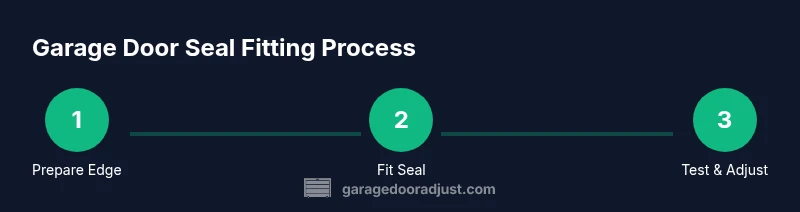
Prepare your work area with good lighting and a clean floor. Confirm you have the right seal type for your door and the proper length after trimming. When you’re ready, position the seal along the door edge, aligning the end caps or kerf groove with the door edge. If your seal is adhesive-backed, peel the protective layer and press firmly along the entire length, starting at one end and working toward the other. For kerf seals, insert the seal into the groove with steady, even pressure, ensuring there are no air pockets. If you need to, secure the ends with small clamps or tape temporarily while seating the seal to the frame. Finally, test the door a few times to verify there is no rubbing and that the seal compresses evenly when closed.
Testing, finishing touches, and common mistakes
Close the door slowly and observe the gap along the bottom edge. Check for uneven seating, gaps at corners, or binding where the seal contacts the floor. If you notice rubbing, slightly trim the seal in small increments until the door closes smoothly. Wipe away any excess adhesive or debris to avoid attracting dust. Common mistakes include oversizing the seal, choosing the wrong profile for the kerf, and failing to clean the edge before seating. A seal that is too long can curl or bunch; a seal that's too short leaves gaps. Re-check alignment after the first few cycles and re-trim as needed. Finally, re-check the weather seal after a few days of use; a properly installed seal should require only gentle pressure to close and should release without sticking.
Maintenance tips to extend seal life
Inspect the seal every 6–12 months for cracks, hardening, or compression set. Clean the seal with a mild detergent and water to remove dirt that can degrade the material. Lubricate metal tracks and moving parts as recommended by the door manufacturer, but avoid applying lubricants directly to the seal unless the product specifies it’s safe. If you live in areas with heavy snow or salt on the driveway, check the seal after winter storms for signs of wear. Replacing damaged sections promptly will prevent bigger gaps and ensure you preserve energy efficiency for years to come.
Tools & Materials
- Garage door seal (bottom/threshold seal)(Choose a seal sized for the door bottom—bulb, kerf, or bulb + fin type)
- Measuring tape(6 feet minimum; longer helps for wide doors)
- Utility knife or scissors(Sharp blade for clean cuts)
- Pry tool or flathead screwdriver(To remove stubborn old seal without damage)
- Cleaner or degreaser(Clean edge before seating)
- Adhesive or sealant (if required by seal type)(Only if your seal relies on glue)
- Masking tape or painter's tape(To hold seal temporarily during fit)
- Safety gloves and eye protection(Protect hands and eyes during removal and cutting)
Steps
Estimated time: 60-90 minutes
- 1
Remove the old seal
Gently pry away the old seal using a flat tool, taking care not to gouge the door edge. Complete removal before any cleaning to expose a clean seating surface. This prevents adhesive from trapping dirt or debris beneath the new seal.
Tip: Use a plastic scraper to reduce the risk of scratching the metal. - 2
Inspect and clean the door edge
Look for damage or rust along the bottom edge and clean thoroughly with a degreaser. Ensure the surface is dry and free of old adhesive. Any debris left behind can cause gaps and reduce seating quality.
Tip: Wipe from the center outward to avoid pushing dirt into the kerf. - 3
Measure and cut the new seal
Measure across the width of the door at multiple points, use the smallest measurement, and cut the seal 1/8 inch longer than needed. This extra length allows for trimming after test fitting without gaps.
Tip: Double-check measurements before cutting to avoid wasting material. - 4
Dry-fit the seal along the door edge
Position the seal without adhesive to confirm fit and alignment. Check that the seal sits evenly and does not rub on the floor when the door is closed.
Tip: Keep the seal centered for a uniform seal along the entire edge. - 5
Attach the seal to the door edge
If adhesive-backed, peel the liner and press the seal firmly along the edge from one end to the other. If kerf inserts are used, slide the seal into the groove with consistent pressure. Use masking tape to hold ends temporarily as needed.
Tip: Work slowly and apply even pressure to avoid air pockets. - 6
Trim and secure the ends, then test
Trim any excess seal to create a clean finish at the ends. Close and open the door a few times to verify smooth operation and complete seating.
Tip: If the ends don’t meet flush, make small adjustments and re-test. - 7
Final inspection and maintenance plan
Check for gaps at corners and ensure the seal remains flush with the floor surface. Schedule a routine check every 6–12 months and re-seal as needed given climate and door usage.
Tip: Document the date of installation for future maintenance.
Got Questions?
Do I need to replace the entire door bottom seal if it is damaged?
Not always. If only a small section is damaged, you may patch or replace just that portion. However, extensive cracking or curling usually requires replacing the full seal to restore a uniform seal along the edge and avoid future leaks.
If only a small section is damaged, you may patch it, but for best results, replace the full seal when there’s widespread wear.
Can I install a seal on a garage door that already seals well?
Yes, but ensure the new seal matches the door profile and does not interfere with operation. An ill-fitting seal can bind the door or create new gaps. If the door closes cleanly with the existing seal, you may only perform a tidy re-seat or slight adjustment.
Yes, you can upgrade even if it seems to seal well, but pick a matching profile and test the fit to avoid binding.
What if the seal tears after a few months?
Tears usually indicate a mismatched seal type, improper seating, or floor debris beneath the seal. Refit with the correct profile, trim properly, and ensure the edge is clean. If damage recurs, try a higher-grade material suitable for your climate.
Tears usually mean the seal doesn’t fit the door edge well; re-evaluate the profile and seating and replace with a higher-grade seal if needed.
Is silicone-based seal better than vinyl for garages?
Silicone generally lasts longer and tolerates temperature swings better, but it may cost more and require precise installation. Vinyl seals are typically cheaper and easier to replace but can crack over time in extreme heat or cold. Choose based on climate and usage.
Silicone lasts longer in temperature changes, but vinyl is cheaper; pick based on climate and how often you use the door.
How do I know what type of seal to buy?
Match the seal profile to your door’s edge (kerf, bulb, or fin-type) and measure the width accurately. Consider the floor condition and climate. When in doubt, bring a sample or measure the existing seal’s footprint and consult the manufacturer’s guidance.
Match the seal profile to your door and measure accurately; if unsure, check the door’s manufacturer guidance.
Watch Video
Quick Summary
- Choose the right seal type for your door.
- Clean and prepare the edge before seating the seal.
- Measure twice, cut once for accurate fit.
- Dry-fit first; then apply adhesive where required.
- Test door operation and maintain the seal regularly.