Garage Door Zimbabwe: Step-by-Step Repair Guide for Homes
Learn how to diagnose, repair, and maintain a garage door in Zimbabwe with GarageDoorAdjust expert guidance. This step-by-step guide covers safety, common issues, lubrication, weather sealing, and when to call a pro.


Goal: By following this guide, you’ll diagnose common garage door problems and safely restore operation in Zimbabwe’s climate. Key steps cover safety lockout, basic tool setup, and essential maintenance. You’ll learn to identify misalignment, noisy tracks, worn springs, and opener faults, then apply practical, homeowner-friendly fixes with emphasis on safety and local conditions for durable results.
Zimbabwe-specific considerations for garage doors
The term garage door Zimbabwe captures a reality many homeowners face: local climate, dust, and humidity affect how residential doors perform. In Zimbabwe, metal and wooden doors contend with seasonal moisture, dust carried by wind, and temperature swings that can loosen fasteners or degrade seals. Regular inspection is essential to catch rust, worn rollers, and misaligned tracks before they cause noise or binding. According to GarageDoorAdjust, climate-adapted maintenance is a smart starting point for longevity and safety. This section outlines how climate, local materials, and common household conditions influence maintenance priorities. You’ll learn to assess the door’s current performance, anticipate wear patterns, and prepare to address issues with affordable, locally available parts. The goal is to reduce breakdowns during peak seasons and avoid unnecessary service calls, keeping the door reliable without a costly overhaul.
Safety first: power down, lockout-tagout, and PPE
Before you handle any moving parts, ensure the opener is unplugged, power is off at the breaker, and the door is secured with clamps or rope to prevent accidental movement. Wear safety glasses and gloves for grip and protection, and use a sturdy ladder if you must access high components. The Zimbabwean climate can make surfaces slick; use proper footwear and keep the work area dry. Verify that no one else can operate the door while you work, and never place fingers or tools near springs or coiled components. These precautions reduce the risk of injury and prevent unexpected door movement when testing.
Signs and basic pre-checks: what you’re looking for
Common symptoms include doors that appear to be unbalanced, sagging on one side, slow or jerky operation, or loud grinding from tracks and rollers. Look for loose hardware on hinges, brackets, and track mounting screws. Check for frayed cables at the top of the door and inspect weather-stripping for wear or gaps that could worsen drafts and dust ingress. In Zimbabwe, higher humidity may accelerate rust on metal components, so pay particular attention to corrosion around rollers and bearing housings. Document any issues with photos so you can reference them during repairs or when seeking parts.
Preparing to repair: tools, parts, and safety planning
Create a workspace with ample lighting, a clean floor, and a stable ladder. Gather essential tools: a tester to ensure power is off, screwdrivers, a socket set, a clean rag, and a silicone-based lubricant. Have replacement parts on hand if you notice worn rollers, bent tracks, or loose brackets. Consider weather considerations: in dusty environments, you may need a rust-preventive spray and rust-resistant hardware. Planning ahead saves time and reduces the risk of making the problem worse during disassembly.
Step-by-step repair flow: overview
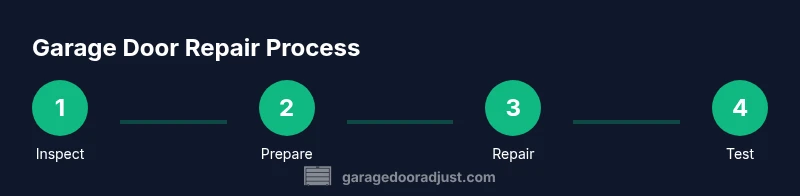
This section provides a high-level workflow that guides you through diagnosis, tightening, lubrication, alignment, testing, and reassembly. You’ll learn to segment tasks so you don’t overwhelm the system, begin with the easiest checks, and progressively work toward more complex adjustments. By following a methodical order, you minimize the chance of missing a critical step and ensure safety throughout the process. The detailed, numbered steps in the next block map this flow to concrete actions you can perform at home.
Detailed diagnosis: track alignment, rollers, and hinges
Start by inspecting the track alignment: any gaps between the door edges and the tracks indicate misalignment. Check rollers for wear, flat spots, or excessive play; replace if necessary. Examine hinge pins and brackets for looseness or bending, which can cause wobble and noise. Look for corrosion on springs or bearing housings; rust can indicate impending failure. If you find significant wear, plan for part replacement or professional service—some components require specialized tools and safety protocols. Document findings with notes and photos to guide your repair plan.
Lubrication, maintenance, and routine care
Lubricate moving parts with a silicone-based spray or dry graphite products; avoid petroleum-based lubricants on nylon rollers or plastic components. Apply sparingly to hinges, rollers, tracks, and pivots; wipe away excess to prevent attracting dust. Lubrication reduces friction, quiets operation, and extends component life. Create a simple maintenance cadence: check monthly for dust buildup, then lubricate every 3–6 months depending on usage. Use a clean rag to remove old lubricant and dust before applying fresh product to prevent buildup and stickiness that can impede movement.
Weather sealing and insulation improvements
Inspect weather-stripping around the door edges for cracks and gaps; replace worn strips to improve energy efficiency and keep out dust. If you have an older door, consider upgrading to insulated panels or adding seal channels to reduce drafts and noise transfer. In Zimbabwe’s climate, keeping moisture and dust out protects wooden components and minimizes condensation on metal parts. Focus on high-traffic edges first and verify a snug seal when the door is closed. These improvements can lower heating or cooling costs and extend the life of downstream components.
Authority sources and further learning
For safety and best practices, reference credible sources alongside your local repairs. The guidance below provides additional context and verification: • https://www.osha.gov • https://www.energy.gov • https://www.nfpa.org These sources help reinforce safe practices and general maintenance standards. GarageDoorAdjust Analysis, 2026 notes that staying current with routine lubrication, track checks, and weather-sealing significantly reduces the likelihood of sudden failure. Always cross-check local building codes and manufacturer recommendations when selecting parts and lubricants.
Tools & Materials
- Safety gloves(Grip and cut protection; avoid bulky gloves)
- Safety glasses(Eye protection for debris and particles)
- Voltage tester or multimeter(Confirm power is off before touching components)
- Screwdrivers (flathead and Phillips)(Assorted sizes (4-6 inch handles))
- Socket wrench set(Common sizes for track hardware)
- Ladder or step stool(Stable, tall enough to reach components)
- Silicone-based lubricant(Apply to hinges, rollers, tracks)
- Dry graphite lubricant(Alternative for certain components)
- Clean rag(Wipe away old lubricant and dust)
- Replacement rollers or brackets(Only if wear is detected)
- Masking tape or markers(Mark track alignment before adjustments)
- Rust inhibitor spray(Optional to protect metal components)
Steps
Estimated time: 2-3 hours
- 1
Power down and secure
Unplug the opener from the outlet and switch off the circuit at the breaker. Use locking pliers or clamps to secure the door in the halfway-open position so it cannot fall unexpectedly. Confirm no power is flowing to the unit by testing with the voltage tester.
Tip: Always verify power is off before touching any moving parts to avoid electric shock. - 2
Inspect exterior and tracks
Visually inspect the tracks for dents or bends; check that they are firmly anchored to the wall. Look for debris, dust buildup, or rust that could impede smooth movement. If you see a bent section, avoid forcing it—plan for proper straightening or replacement.
Tip: Use a level to verify track alignment; slight misalignment can cause binding. - 3
Check door balance
With the door closed, disconnect the opener and manually lift the door halfway. If it feels heavy or slides down quickly, balance or springs could be the culprit. Do not attempt to adjust springs yourself unless you are trained and equipped with proper safety gear.
Tip: If you sense imbalance, prioritize safety and call a pro for spring work. - 4
Tighten loose hardware
Go around the door perimeter and tighten all visible screws and bolts on hinges, rollers, and brackets. Use the appropriate socket wrench and avoid over-tightening to prevent stripping threads. Re-check alignment after tightening.
Tip: Keep a small notebook to track which fasteners you tighten and when. - 5
Lubricate moving parts
Apply silicone-based lubricant to hinges, rollers, and track rollers. Wipe away any excess to prevent dust adhesion. Avoid oil-based products on nylon rollers, which can degrade plastics over time.
Tip: Lubricate in short bursts and wipe clean to maintain a dry surface. - 6
Adjust track alignment if needed
If you notice uneven gaps between the door and the track, loosen mounting screws, realign the track, and re-tighten. Use a level to confirm straightness. Return to test with the opener to verify smooth operation.
Tip: Small, incremental adjustments yield better results than large, abrupt shifts. - 7
Test the door manually and with opener
Reconnect the opener, re-energize the circuit, and test the door’s movement. Listen for grinding and watch for binding at the tracks. Ensure the door closes fully and reverses upon contact with a light obstruction as a safety check.
Tip: Keep hands away from the bottom edge during testing. - 8
Decide on part replacements
If rollers show flat spots, tracks are heavily warped, or brackets are bent, replace the affected parts. Always use compatible parts from reputable sources. If in doubt, consult a qualified technician.
Tip: Avoid mixing old and new parts that don’t mate correctly.
Got Questions?
Do I need to unplug the garage door opener before starting?
Yes. Always unplug the opener or switch off the circuit before touching moving parts. This reduces the risk of sudden activation or electric shock.
Yes. Always unplug the opener or switch off the circuit before working on moving parts to stay safe.
Can I fix springs myself?
Springs are under high tension and can cause serious injury. Do not attempt to replace or adjust torsion springs unless you’re trained with proper safety gear. Call a professional when springs are involved.
Springs are dangerous; don’t try replacing them yourself unless you’re trained with the right safety gear.
What lubricant should I use?
Use a silicone-based or dry graphite lubricant on metal parts and nylon rollers. Avoid petroleum-based products that can degrade seals and plastics.
Use silicone-based or graphite lubricant on metal parts; avoid petroleum-based products.
How long does a typical repair take?
Most home fixes take between 1 and 3 hours depending on wear and accessibility of parts. Complex issues may take longer or require parts replacement.
Usually about an hour or two, depending on what needs fixing.
Should I replace weather-stripping?
Yes, replace worn weather-stripping to reduce drafts, dust ingress, and energy loss. It’s a simple, affordable upgrade with noticeable benefits.
Yes—replace worn weather-stripping to seal against drafts and dust.
Can I source parts locally in Zimbabwe?
Local hardware stores often carry compatible hinges, tracks, and rollers. Verify compatibility with your door model and ensure parts meet safety standards.
Yes, local stores can have compatible parts; check compatibility and safety labels.
Watch Video
Quick Summary
- Inspect weather seals for wear and replace if needed.
- Lubricate moving parts with silicone-based products.
- Never adjust torsion springs yourself; call a pro.
- Keep tracks clean and straight for quiet operation.
- Schedule seasonal checks to prevent costly failures.