Garage Door Repair Raleigh: Step-by-Step Troubleshooting Guide
Learn to diagnose and repair common garage door problems in Raleigh with a practical, step-by-step guide from GarageDoorAdjust. Safety, tools, maintenance tips, and when to hire a pro are covered.


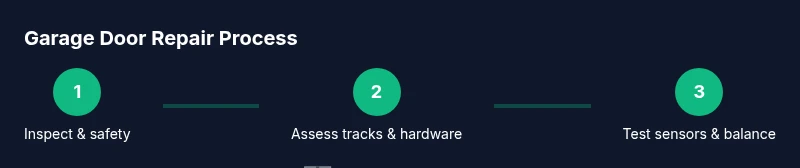
You will learn how to diagnose and repair common garage door problems in Raleigh, from loose tracks to faulty sensors, with step-by-step guidance and safety reminders. This quick guide covers essential tools, common fixes, and when to call a pro to avoid injuries or further damage. We’ll tailor tips to your Raleigh climate, include local code considerations, and provide clear diagrams.
Raleigh-specific Guide to Garage Door Repair
According to GarageDoorAdjust, homeowners in Raleigh face unique challenges from warm, humid summers to occasional storms. These conditions can accelerate wear on springs, tracks, and sensors, affecting door balance and opener performance. This section frames the problem in practical terms: you’re repairing a heavy, safety-critical system that sits over your vehicle and entryway, and local climate can subtly influence which parts wear first. By focusing on systematic diagnosis and safe practices, you reduce the risk of personal injury while extending the life of your door. The goal is to build confidence so you can handle routine maintenance and minor fixes with the same care a pro would apply, all while keeping you and your family safe.
Common Raleigh Garage Door Symptoms and What They Mean
Garage doors in Raleigh often exhibit a handful of telltale symptoms. A door that sticks or is slow to move usually indicates track misalignment, worn rollers, or binding springs. A door that sags or feels heavier on one side points to balance issues or worn hardware. If the door won’t fully open or closes unexpectedly, cargo on the bottom of a panel or a misaligned safety sensor could be the culprit. Noisy operation—rattling, grinding, or screeching—often signals lubrication needs, loose hardware, or deteriorating bearings. When diagnosing, always test with the door in both the open and closed positions to identify where the problem starts, and remember that springs and cables carry dangerous levels of stored energy.
Safety First: Essential Precautions Before You Start
Doing your own garage door repair requires disciplined safety steps. Before touching anything, disconnect the power to the opener, keep hands away from hinges and moving parts, and ensure children and pets are out of the workspace. Wear eye protection and gloves, work on a flat, dry surface, and never attempt to adjust torsion springs with the door under load. If your door is heavy or unbalanced, stop and call a professional. According to safety guidelines, the energy stored in springs can cause severe injuries if mishandled, so err on the side of caution and prioritize securing the door before any inspection.
Raleigh's Climate Impact: How Weather Affects Your Door
Humidity and temperature swings influence metal components, rollers, and seals. In Raleigh, seasonal humidity can accelerate corrosion on tracks and fasteners, while heat can soften lubrication, increasing drag. A well-sealed garage and periodic lubrication reduce friction and wear. You’ll see longer life from quality rollers, properly tensioned springs, and a track alignment check that accounts for settled foundations after heavy rain. This context helps you tailor maintenance to the local environment and plan replacements before a breakdown.
DIY Diagnostics: A Practical Checklists for Everyday Issues
Use a simple diagnostic flow to identify root causes. Start by inspecting tracks for bends or dents and verify that fasteners are snug. Check rollers for wear and replace if they spin stiffly or wobble. Test sensors by blocking the beam briefly (without touching the door) and observing if the opener stops correctly. If the door is imbalanced, perform a balance test by disconnecting the opener and lifting the door halfway; if it doesn’t hold, springs or cables may be involved and require professional attention. Document each finding with notes and photos for reference.
Maintenance vs Replacement: Knowing When to Call a Pro
Major fixes—like replacing torsion springs or adjusting spring tension—should be handled by a licensed tech. If you notice frequent sensor recalibration, persistent misalignment after track realignment, or any crackling sounds from the motor, set up a professional inspection. Raleigh homeowners often extend life by addressing wear early and scheduling annual checks before winter. When in doubt, a pro can evaluate safety-critical components and provide a clear cost estimate.
Long-Term Care: A Simple Maintenance Plan
Create a monthly maintenance routine: clean tracks, lubricate moving parts with a silicone-based lubricant, check balance, tighten hardware, and test safety features. An annual professional inspection can catch hidden wear, alignments, and sensor issues before they become expensive problems. Keep a small toolbox handy with a level, a socket set, and spare fasteners, and maintain a reminder schedule so maintenance becomes part of your home's regular care.
Tools & Materials
- Cordless drill or screwdriver set(Phillips head #2 and hex/Allen keys; 2x battery set recommended)
- Level and measuring tape(For track alignment and door balance checks)
- Lubricant: silicone-based spray(Avoid graphite or petroleum-based lubes on nylon rollers)
- Lubricant spray for springs (if applicable)(Only if you are trained and the springs are safe to lubricate per manufacturer)
- Safety glasses and gloves(Protect eyes from debris and metal shards)
- Step ladder(Stable, tall enough to reach components safely)
- Replacement parts (optional)(Keep on-hand spares for common wear items like rollers and weather seals)
- Owner’s manual or part numbers(Refer to manufacturer guidelines for torque and parts compatibility)
Steps
Estimated time: 60-90 minutes
- 1
Disconnect power and secure door
Power down the garage door opener at the wall switch and unplug the unit. Place a temporary stopper under the door to prevent it from moving during inspection. This initial safety step reduces the risk of unexpected movement while you check tracks, hinges, and hardware.
Tip: Use a vise grip to pin the door in the open position if you need hands-free work space. - 2
Inspect tracks and hardware
Examine the vertical and horizontal tracks for bends, dents, or loose fasteners. Tighten screws and realign any misaligned sections. Look for rust or corrosion that can impede smooth operation and plan replacements for worn components.
Tip: Always tighten from the middle of the track outward to prevent warping. - 3
Check rollers, hinges, and balance
Spin each roller by hand; replace any that bind or wobble. Inspect hinges for cracks and replace as necessary. Perform the balance test by lifting the door halfway and letting go; it should hold steady. If not, springs or cables may be failing and require professional attention.
Tip: If the door drops quickly from halfway, stop immediately and call a pro. - 4
Test springs and cables (safety warning)
Springs store a lot of energy. Do not attempt to adjust or release springs yourself unless you are trained and equipped for the task. Check visible spring wear and consult a pro for any tension changes.
Tip: Never stand in the door’s path when inspecting springs; keep others away. - 5
Test the opener and sensors
Reconnect power and test opening/closing using the wall control. Block the beam with an object to confirm the safety sensor stops the door. Listen for abnormal sounds and verify that the door reverses when it contacts an obstacle.
Tip: Record sensor alignment values if you adjust them; it helps with recalibration later. - 6
Lubricate and re-tighten hardware
Lubricate moving metal parts sparingly, focusing on rollers, hinges, and bearing points. Re-tighten all hardware to factory torque specs and test door operation again. Replace weather stripping if you notice wear or gaps.
Tip: Use silicone-based lubricant; avoid lubricants that attract dust or degrade rubber seals.
Got Questions?
Is it safe to repair a garage door spring myself?
Spring repairs involve high energy. Only attempt if you have proper training and tools, otherwise hire a licensed technician. Always secure the door before any inspection and never work with a loaded spring.
Spring repairs are dangerous. If you're not trained, hire a pro; always secure the door first.
How long does a typical garage door repair take?
Most routine repairs can be completed in a few hours, depending on parts availability and the door's condition. More complex spring or opener issues may take longer and require a follow-up visit.
Most repairs take a few hours; complex spring work may need more time.
Should I replace tracks or rollers if the door is noisy?
Yes, worn tracks or rollers commonly cause noise. Inspect for wear and replace if spinning or sliding is rough. Lubricate and tighten hardware after replacement.
Worn tracks or rollers cause noise; replace and lubricate for quiet operation.
When should I replace the opener versus the door itself?
If the door operates smoothly but the opener struggles, consider an opener upgrade. If the door is bent, unbalanced, or spring-related, replacement or repair of the door is needed.
If the door is ok but the opener falters, think about the opener; otherwise fix or replace the door assembly.
Should I hire a pro in Raleigh for garage door repairs?
For safety-critical components like springs and cables, professional service is advised. A local pro understands Raleigh climate, local codes, and typical wear patterns, reducing risk and downtime.
Yes—hire a local pro for springs or heavy repairs; they know Raleigh conditions.
Watch Video
Quick Summary
- Diagnose symptoms before disassembly
- Prioritize safety and know when to call a pro
- Maintain a regular, climate-aware maintenance routine
- Keep a simple log of fixes and parts
- Use quality parts designed for your door model