Garage Door Repair Portland: A Homeowner’s How-To Guide
Learn safe, practical steps for diagnosing, repairing, and maintaining a garage door in Portland. This guide from GarageDoorAdjust covers common issues, safety tips, and when to hire a pro for reliable, local-focused solutions.


Goal: complete a safe, effective garage door repair portland. Start with a full diagnostic, cut power to the opener, and gather essential tools before you begin. This guide from GarageDoorAdjust walks homeowners through common Portland door issues, safety checks, and when to hire a pro to avoid costly mistakes. Following these steps reduces injury risk and equipment damage.
Why GarageDoorAdjust recommends garage door repair portland
For homeowners in Portland, a well-functioning garage door is more than convenience — it's security, energy efficiency, and curb appeal. The GarageDoorAdjust team has found that most Portland-area failures come from wear on springs, misaligned tracks, or sensor faults that accumulate after wet winters and dusty springs. According to GarageDoorAdjust, a structured diagnostic plan reduces guesswork and helps you target the exact component that needs attention. This guide explains how to identify problems common to our climate, evaluate safety risks, and decide whether a do-it-yourself repair portland approach is appropriate or if you should call a licensed professional. By following a systematic process, you minimize injury risk, avoid unnecessary part replacements, and protect your investment in a garage door system. In Portland homes, every repair decision should consider local weather patterns, humidity, road salt, and the unique wear that comes from frequent temperature swings. The GarageDoorAdjust team emphasizes starting with the low-risk tasks first — tighten loose screws, clean debris from tracks, test safety sensors — before attempting anything that involves springs or cables. This cautious, methodical mindset is what separates quick fixes from durable, long-lasting results for garage door repair portland.
Common signs your garage door repair portland is needed
A garage door that won’t open or close smoothly is often the first hint that something is wrong. In Portland, you may notice slower operation, unusual noises (creaks, grinding, or rattling), or a door that seems out of balance, sagging on one side. If the opener struggles to complete a cycle, or if the safety sensors frequently trigger, these are red flags that warrant a closer look. Visible damage to tracks, bent hinges, or loose mounting brackets also signal misalignment or wear. If you’re spotting gaps at the door seams or the weatherstripping has degraded, humidity and salt exposure might be at fault. If the door closes with a sudden drop or bangs, springs or cables could be failing or failing to balance the load. Remember that some issues, like a broken spring, are dangerous to handle yourself; do not attempt replacement without proper training. When in doubt, document symptoms with video or photos and schedule a professional garage door repair portland assessment. A proactive approach helps you avoid emergency failures, keeps your family safe, and reduces the risk of further damage to the door and opener.
Safety first: essential precautions for garage door repair portland
Safety is non-negotiable when performing any garage door repair portland. Always disconnect the opener and lock it out, so the door cannot move unexpectedly. Wear safety glasses and sturdy gloves, and keep bystanders clear of the area, especially under the door during testing. Never place yourself under a door that is supported only by gravity or by non-secured parts. If you expose springs, tracks, or cables, assume they are under tension and do not attempt adjustments beyond basic maintenance—such as cleaning tracks or tightening loose fasteners—without professional guidance. In Portland’s damp climate, rust can weaken hardware; inspect track joints and rollers for corrosion and replace damaged components promptly. The key is to work deliberately, document every step, and pause if anything feels risky. The ultimate goal of a garage door repair portland is to restore safe, smooth operation with minimal risk to you and your family.
Tools, protective gear, and materials for garage door repair portland
Having the right tools makes a big difference in the success of a garage door repair portland. Essential items include a power drill, assortment of screwdrivers (Phillips and flathead), pliers, an adjustable wrench, a level, a sturdy ladder, and safety gear (gloves and eye protection). You’ll also want a silicone-based lubricant for hinges and tracks, a clean rag for wiping debris, and gray or black hardware that matches existing screws. Optional but helpful items include a small magnet/muller for tracking fasteners, a torque wrench for precise adjustments, and painter’s tape to mark track alignment. If you’re planning to replace springs or cables, confirm you have the correct spring type (torsion or extension) and compatible cables; these parts are highly specialized and require proper handling. For Portland, maintaining rust-resistant hardware is wise, so consider galvanized or stainless-steel replacements. Always verify that tools are in good condition and that you have a clear, dry workspace before starting any repair portland tasks.
Diagnostics: balance, tracks, sensors and openers for garage door repair portland
A thorough diagnostic for garage door repair portland should cover balance, track alignment, roller function, hinge integrity, and the opener system. Start by manually lifting the door to mid-height; it should stay put without much effort, indicating proper balance. Inspect tracks for dents, bends, or misalignment and ensure they are vertical and parallel. Check rollers and hinges for wear, lubrication needs, and stiffness that could impede smooth movement. Test the photoelectric sensors near the floor by briefly blocking one sensor and verifying the opener stops and reverses. Inspect the opener’s limit switches to confirm it opens and closes fully. In Portland's climate, condensation can lead to rust; keep a close eye on hardware and replace any corroded parts. If you notice persistent binding, unusual noises, or inconsistent reversals, schedule a pro garage door repair portland inspection to avoid dangerous outcomes.
Portland-specific considerations: weather, humidity, rust, and corrosion
Portland’s wet winters and humid springs can accelerate wear on garage door components. Humidity promotes rust on tracks, hinges, and fasteners, which can cause sticking or misalignment. Road salt used in some winter months may contribute to corrosion on exterior hardware. Seasonal temperature swings can also affect spring tension and door balance. When planning a repair portland, consider applying a weather-resistance coating to metal parts and upgrading hardware to corrosion-resistant options. Regular inspections before and after the rainy season help detect early signs of rust, track deformation, or sensor misalignment. A proactive, climate-aware approach from GarageDoorAdjust ensures that your Portland home keeps its garage door functioning reliably for years to come.
Maintenance routines to extend life of your garage door portland
The best defense against frequent garage door repair portland is a consistent maintenance routine. Schedule a quarterly inspection to check for loose screws, track alignment, and roller wear. Lubricate moving parts with silicone-based lubricants, focusing on hinges, rollers, and track joints to minimize friction and wear. Clear debris from tracks and weatherstripping to maintain a proper seal against Portland weather. Pay attention to sensor alignment and test safety features monthly; proper sensor functioning prevents accidents and protects family members and pets. If you notice rust or corrosion, address it promptly with cleaning and protective coatings, and consider replacing worn parts before they fail completely. By integrating these maintenance habits, you’ll reduce the likelihood of major garage door repair portland problems and extend the life of your system.
Costs and warranties: understanding options in Portland
Garage door repair portland costs vary depending on the parts involved, labor rates, and whether a repair or replacement is required. Price ranges are influenced by the type of door, spring configuration, and sensor or opener model. To manage expectations, seek multiple quotes from reputable technicians and verify the scope of work before authorizing any repair portland. Warranties on parts and labor differ by contractor and component type; read the fine print for coverage periods, what is included, and whether the warranty transfers if you move. If a part is under manufacturer warranty, confirm eligibility and required documentation. GarageDoorAdjust recommends documenting every repair portland task with photos and keeping records of parts and dates to support warranty claims and future maintenance planning. By understanding these costs and warranty options, you can budget effectively and avoid sticker shock when your garage door needs attention.
How to choose a garage door repair pro in Portland
Choosing the right technician for a garage door repair portland requires due diligence. Look for licensure and insurance, clear written estimates, and transparent explanations of recommended work. Ask for references and check online reviews focused on Portland-area projects. Verify that the pro has experience with your door type (torsion vs extension springs, and sectional doors) and with safety-compliant repairs. Discuss anticipated timelines, parts availability, and cleanup. A good technician will outline a repair portland plan, potential alternatives, and a realistic maintenance schedule to prevent recurring issues. Finally, consider a service that can provide emergency response, especially during Portland’s wet months when issues can escalate quickly. A careful selection process reduces downtime and increases the likelihood of a reliable, long-lasting garage door repair portland outcome.
Tools & Materials
- Power drill(Drill with Phillips and flat-head bits; keep a charged battery on hand)
- Screwdrivers (Phillips and flathead)(Include a variety of sizes to fit different fasteners)
- Pliers(Need both needle-nose and slip-joint varieties)
- Adjustable wrench(Useful for securing bolts on tracks and brackets)
- Level(Ensure tracks are perfectly vertical)
- Ladder(Stable, non-slip ladder tall enough to reach the tracks)
- Safety glasses(Protect eyes from debris and sudden spring movement)
- Work gloves(Grip and protect hands during fastener handling)
- Silicone-based lubricant(Lubricate hinges, rollers, and tracks; avoid oil-based lubricants)
- Cloth/rag(Wipe away dust and grime before lubrication)
- Replacement springs/cables (if in-scope)(Only handle if you are trained; springs under tension are dangerous)
Steps
Estimated time: 60-90 minutes
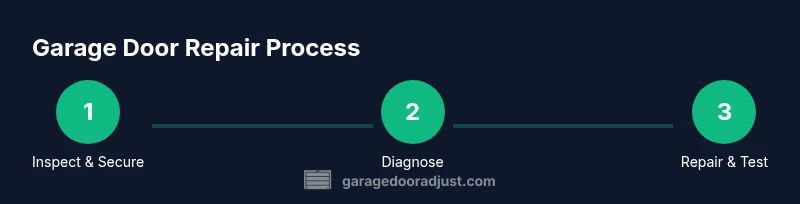
- 1
Power down and secure
Turn off the garage door opener at the wall switch and unplug the opener to prevent automatic operation. Pull the manual release to ensure you can move the door by hand. Confirm the door stays in place when lifted to mid-height, indicating basic balance. This step reduces risk before manual inspection.
Tip: Double-check that no one is near the door while you test manual balance. - 2
Inspect tracks and hardware
Visually inspect both tracks for dents, bends, or obstructions. Check mounting brackets for looseness and ensure tracks are vertically aligned. Tighten any loose screws and remove debris that could impede movement. A clean, aligned track prevents binding and premature wear.
Tip: Use a level to confirm tracks are perfectly vertical; even small misalignments affect door function. - 3
Check rollers and hinges
Examine rollers for wear, lubrication needs, and smooth rotation. Inspect hinges for cracks or excessive looseness. Lubricate moving parts with a silicone-based product; wipe away excess to prevent dust attraction. Replace worn rollers or loose hinges as needed.
Tip: Do not force stiff rollers; replace them if they don’t roll freely. - 4
Evaluate springs and cables
Springs bear the load; cables transfer it. If you hear popping, see gaps, or the door lifts unevenly, springs or cables may be compromised. Do not attempt spring adjustments unless you are trained; this is highly dangerous due to stored tension.
Tip: If you suspect spring issues, stop and call a professional immediately. - 5
Test the opener and sensors
Reconnect power and test the opener’s cycle. Observe whether the door fully opens and closes, and verify sensors detect obstacles. Misaligned sensors or weak wiring can cause frequent reversals or failures to close.
Tip: Realign sensors by placing them at the same height and pointing directly at each other. - 6
Lubricate and tidy
Apply a light coat of silicone lubricant to hinges, rollers, and track joints. Wipe away any excess to prevent dust buildup. This reduces friction and extends the life of moving parts.
Tip: Avoid over-lubricating; too much lubricant can attract dirt and create gumming. - 7
Manual test and balance check
With the opener off, lift the door by hand to mid-height again and let go. It should stay in place without dropping. Re-check for smooth, even movement and listen for irregular sounds.
Tip: If the door moves unevenly or sticks, there may be an alignment problem that needs professional assessment. - 8
Document and plan maintenance
Record findings, parts inspected, and any replacements. Schedule the next maintenance check and set reminders for lubrication and sensor tests. This documentation helps with warranties and future garage door repair portland planning.
Tip: Keep a simple log with dates, parts, and notes for quick reference.
Got Questions?
What should I do first if my garage door won't open in Portland?
Start by ensuring the opener is powered and the door can be moved manually. If it stays down or won’t balance, inspect tracks and hardware before calling a pro for garage door repair portland.
First, shut off power and see if you can lift the door by hand. If it won’t balance or stays stuck, inspect tracks and brackets, then contact a pro for garage door repair portland.
Is it safe to adjust tracks myself?
Lightly adjusting tracks is sometimes safe, but major alignment or any work near springs requires a professional. Always prioritize safety and avoid under-tension components.
Only adjust tracks if you know what you’re doing. If in doubt, call a pro for garage door repair portland.
How much does garage door repair portland typically cost?
Costs vary by issue and materials; expect differences between minor fixes and major replacements. Get multiple written estimates and compare warranties for garage door repair portland.
Costs differ a lot depending on parts and labor; get quotes and read warranties for garage door repair portland.
Can I replace a spring myself to save money?
Spring replacement is hazardous and should be performed only by trained technicians. DIY attempts risk severe injury and damage to the door.
Spring work is dangerous; hire a trained professional for garage door repair portland.
Do I need a permit for repairs in Portland?
Most standard repairs do not require a permit, but major replacements or structural modifications may. Check with the local building department for Portland-specific rules.
Check with Portland's building department for permit requirements on major repairs.
What maintenance helps extend life the most?
Regular lubrication, track cleaning, and sensor alignment prevent many issues. Schedule quarterly checks and annual professional inspections for best results.
Keep up with lubrication, track cleaning, and sensor checks to extend life. Consider annual professional inspections.
Watch Video
Quick Summary
- Follow a safety-first diagnostic approach for garage door repair portland.
- Balance, tracks, and sensors are primary failure points.
- Do not attempt risky steps like spring replacement unless trained.
- Regular maintenance reduces the need for costly repairs portland.
- Choose licensed professionals when in doubt to protect safety and warranties.