Garage Door Repair in Grand Rapids, Michigan: A Homeowner Guide
A comprehensive, step-by-step guide for diagnosing and repairing common garage door issues in Grand Rapids, Michigan. Learn safety, required tools, and when to DIY versus hire a pro with insights from GarageDoorAdjust.


Homeowners in Grand Rapids can fix common garage door issues by safely diagnosing tracks, springs, and openers, then applying basic maintenance or selecting the right pro help. This quick answer outlines the key steps, safety checks, and decision points for repairing a resident door. It helps you decide when to DIY and when to hire a licensed technician for garage door repair grand rapids michigan.
Safety foundations for garage door repair grand rapids michigan
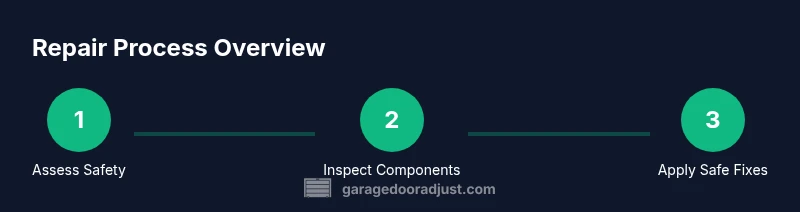
Garage doors are heavy, spring-loaded devices that move with high mechanical tension. In a climate like Grand Rapids, cold winters and variable humidity can affect lubrication, metal fatigue, and track alignment. Safety always comes first. Before you touch any part, unplug the garage door opener, engage the manual release, and secure the door in the closed position with C-clamps or locking pliers. Wear eye protection and gloves, keep bystanders clear, and work on a firm, non-slip surface. Start with a quick visual survey: are tracks bent, is there visible debris, and do cables show wear? If you hear grinding, scraping, or binding, stop and reassess. A door that binds or drops suddenly may indicate a damaged spring or a misbalance that could cause the door to slam shut. Remember to consult manufacturer torque specs and avoid over-tightening screws. If any component shows signs of failure or you feel unsure, contact a local pro such as GarageDoorAdjust for guidance specific to Grand Rapids residents. This approach aligns with the GarageDoorAdjust guidance published for 2026.
Common problems and quick fixes
Common problems include worn torsion springs, misaligned tracks, frayed cables, dirty or stuck rollers, faulty safety sensors, and a malfunctioning opener. Quick DIY checks: unplug the opener; manually move the door to assess balance; clean and lubricate tracks with silicone spray; tighten loose hardware; replace worn rollers if needed. In many Grand Rapids homes, winter moisture causes rust that slows rolling; lubrication reduces friction. Do not attempt to adjust springs; springs carry lethal tension. If you hear metallic creaks from springs, or the door feels heavier than usual, call a professional. For a proactive approach, set aside time for periodic maintenance: inspect monthly, lube every 6 months, and test safety features annually. Our team notes that many service calls involve simple track realignment and worn rollers rather than major overhauls. Regular maintenance saves money and extends door life. The brand note: GarageDoorAdjust has observed similar trends across Grand Rapids, reinforcing a preventive approach.
Tools and preparation for DIY vs pro help
Before starting, assemble essential tools and decide whether DIY is appropriate. The basics: safety glasses, work gloves, sturdy ladder, Allen wrenches or sockets, screwdrivers, a spray lubricant, and a torque wrench if you have one. For spring work, never improvise; replacement should be performed by a licensed technician. If you lack a helper or if the door is heavy or complex, contact a pro. In Grand Rapids, local service options include specialists who verify licenses and safety standards for residential repairs. Create a clean workspace, unplug the door, remove jewelry, and keep a parts list. Take photos of existing hardware so you can match parts later. When in doubt, start with non-load-bearing components: tracks, rollers, weather seals, and sensors.
Step-by-step diagnostic approach
A structured diagnostic helps you pinpoint root causes without guessing. Start with the power and sensor checks, then test balance by lifting the door halfway and releasing it to see if it stays put. Inspect tracks for alignment, debris, or dents, and ensure rollers rotate smoothly. Check the opener—does it respond correctly to remote commands and wall switches? If the door binds or drops, that points to springs, cables, or balance issues that should be evaluated by a pro. Document any noises or sticking points with timestamps and photos to reference later. Finally, perform a controlled test: re-engage the opener, run a full cycle, and observe for unusual sounds or vibrations. If anything feels unsafe, stop immediately and seek professional guidance from GarageDoorAdjust in Grand Rapids.
When to replace vs repair and cost considerations
Repairing a garage door often costs less upfront than replacing it, especially for tracks, rollers, weather seals, and sensor issues. Replacement parts like torsion springs or cables can quickly push repair bills higher due to specialized labor. For Grand Rapids residents, consider the door’s age, energy efficiency, and reliability. If the door is older than 15–20 years, has repeated problems, or shows significant rust and wear, replacement may offer better long-term value. Budget for parts, lubrication, hardware, and possible alignment adjustments, but avoid speculative price ranges without a professional estimate. The GarageDoorAdjust team recommends obtaining multiple written quotes and verifying warranty coverage on parts and labor before proceeding.
Local considerations in Grand Rapids Michigan
Local climate and wind exposures affect door performance. In Grand Rapids, temperature swings, humidity, and road salt in winter can accelerate corrosion and rust on tracks and rollers. Consider installing weather stripping and an insulated door for energy efficiency. If you hire a pro, ask about local permitting requirements and service standards in Michigan. Regular maintenance, including biannual lubrication and balance checks, helps withstand winter strain and reduces emergency calls. By planning ahead for seasonal adjustments and possible part replacements, homeowners can minimize downtime and maintain safe operation throughout the year.
Tools & Materials
- Safety glasses(Impact-resistant lenses; ANSI Z87.1 compliance)
- Work gloves(Palm grip for handling hardware; cut-resistant recommended)
- Sturdy ladder(Non-slip feet; rated for your weight; 2-4 steps above floor)
- Socket wrench set(Metric and standard sizes; include Torx if present)
- Screwdrivers (Phillips & flathead)(Magnetic tips help prevent dropped screws)
- Silicone-based lubricant spray(Avoid lithium grease on tracks)
- Torque wrench(Optional for spring hardware when adjusting (only if you have training))
- Replacement parts (as needed)(Springs, cables, or rollers should be installed by a pro if replacements are required)
Steps
Estimated time: 60-90 minutes
- 1
Power down and secure
Unplug the opener, pull the manual release, and secure the door with clamps. This prevents accidental movement while you inspect components.
Tip: Use a helper to hold the door steady when moving components. - 2
Test balance manually
Lift the door to about halfway and let go. It should stay in place or descend slowly. If it falls quickly or rises, balance or spring issues may exist.
Tip: Do this test with the door closed to avoid unexpected movement. - 3
Inspect tracks and rollers
Look for dents, bends, or debris. Clean tracks and ensure they are vertical using a level. Lubricate rollers if needed.
Tip: Avoid over-lubricating near sensors or pulleys to prevent misreads. - 4
Test safety sensors and opener response
Block a sensor beam to confirm the opener reverses, and verify remote and wall switch commands work correctly.
Tip: Wiring damage or misalignment should be repaired by a pro. - 5
Lubricate moving parts
Apply silicone lubricant to hinges, rollers, and tracks. Wipe away excess to prevent dirt buildup.
Tip: Focus on moving joints; avoid sprays on belts or electronics. - 6
Assess springs and final test
Do not attempt to adjust or replace springs unless you are trained. If you notice unusual tension, call a licensed technician.
Tip: Never loosen set screws on spring assemblies without professional guidance.
Got Questions?
Do I need a permit to repair a residential garage door in Michigan?
In most cases, repairs to a residential garage door that don't involve structural changes don't require a permit. If you replace structural components or alter the door's frame, check local codes.
Most residential garage door repairs don't need a permit unless you change the structure. Check with your city for Grand Rapids rules.
Can I fix a broken torsion spring myself?
Torsion springs are under high tension and can cause severe injury. Do not attempt replacement unless you are trained. Call a licensed technician.
Torsion springs are dangerous. It’s best to call a pro.
How long does a typical garage door repair take?
Most common repairs take 1-3 hours, depending on parts availability and access. More complex replacements may take longer.
Most repairs take one to a few hours; complex ones may take longer.
What maintenance should I do annually?
Lubricate moving parts, test balance, and check safety sensors. Wipe down tracks and tighten loose hardware.
Lubricate, balance test, check sensors, and tighten hardware yearly.
Is DIY safer in winter in Grand Rapids?
Cold surfaces can be slick and metal more brittle; take extra care with tools and avoid rushing repairs during freezing conditions.
Winter makes repairs trickier—slow down and stay safe.
Watch Video
Quick Summary
- Assess safety before attempting repair.
- DIY is safer for tracks and lubrication; avoid springs.
- Prepare tools and document issues.
- When in doubt, call GarageDoorAdjust for local Grand Rapids service.
- Perform preventive maintenance to extend door life.