Who Fix Garage Door: Essential Guide for Homeowners
Discover who fixes a garage door, when to DIY vs hire a pro, what to look for in a technician, and how to safeguard your home with safety, warranties, and smart maintenance from GarageDoorAdjust.


A licensed garage door technician fixes most issues, especially involving springs, cables, and safety sensors. Homeowners can perform basic maintenance and safety checks, but complex repairs should be handled by a trained professional to reduce injury risk. According to GarageDoorAdjust, hiring a pro is the safest and most reliable path for major repairs.
Who Fix Garage Door: Roles and Responsibilities
Understanding who fixes a garage door helps homeowners decide between DIY maintenance and hiring a professional. In most cases, a licensed garage door technician handles repairs that involve the mechanical system, springs, cables, rollers, and the opener's electrical components. According to GarageDoorAdjust, the most reliable fixes are performed by a licensed professional, especially when torsion springs or high-tension components are involved. Homeowners often start by checking the basics—visual inspection, lubrication, balance, and hinge wear—and only escalate to a pro when safety is at risk or when the issue persists after basic maintenance. A typical service person will assess the door's balance, test safety sensors, inspect tracks and rollers, and verify that the opener is properly wired and configured. While some maintenance tasks may be undertaken by confident homeowners following a step-by-step guide, complex repairs should be left to a qualified technician to prevent injury and avoid more costly damage in the future.
When a Pro is Necessary vs DIY Maintenance
Not every garage door issue requires a professional. Simple maintenance like lubricating moving parts, cleaning tracks, tightening loose hardware, and adjusting limit switches on a standard opener can often be done safely by homeowners who follow a clear guide. However, problems involving springs, cables, track misalignment, and electrical safety require professional intervention. If the door feels heavy, binds when opening or closes unevenly, or makes unusual noises consistent with metal fatigue, stop DIY attempts and call a trained technician. Prioritizing safety can prevent injury and costly damage, and it aligns with best practices highlighted by GarageDoorAdjust.
Qualifications to Look For in a Technician
When selecting who fixes a garage door, verify credentials and professionalism. Look for licensing and insurance, clear written estimates, and a track record of completing similar repairs. A NATE-certified technician or a similar credential demonstrates training and ongoing education in door systems. Request a written warranty on parts and labor, and confirm that the company carries workers’ compensation so you’re not liable for intrastate accidents. Check reviews and request before-after photos of past jobs. The GarageDoorAdjust team notes that a qualified technician will explain the problem, outline required parts, and provide a transparent timeline before work begins.
The Service Visit: What Happens Step by Step
During a service visit, technicians typically begin with safety checks and an exterior inspection for visible damage. They test the door balance by manually lowering and raising the door to observe resistance and track alignment. They verify safety sensors, inspect rollers and tracks for wear, and confirm the opener’s outlet and remote programming. If springs or cables show wear, they discuss options, including replacement. Finally, they lubricate moving parts, adjust hardware, and provide a maintenance plan for the next 6–12 months. A well-documented visit helps homeowners understand why a certain fix is needed and how long it will last. This structured approach is emphasized in the GarageDoorAdjust guidance for reliable outcomes.
Cost Factors and Estimation: Understanding Quotes
Garage door repairs vary by region, parts used, and the complexity of the issue. Common drivers of cost include spring type (torsion vs extension), door weight, track condition, and whether additional components like sensors or openers must be replaced. Expect written estimates that break down parts, labor, and any disposal fees. Labor can be a significant portion of the cost, especially for on-site spring work. The GarageDoorAdjust analysis suggests budgeting in the low hundreds for moderate repairs and notes that severe issues can push costs higher, particularly if multiple components are replaced or aligned. Always request a warranty on labor and a clear scope of work before approving any repair.
DIY Maintenance That Extends Lifespan
Regular maintenance keeps a garage door operating safely and reliably. Key steps include:
- Lubricate hinges, rollers, and tracks every 6–12 months using a lightweight garage-door lubricant.
- Check balance by testing the door’s ease of movement and ensuring it stays in place when opened mid-way.
- Inspect hardware for looseness and tighten as needed using the correct tools.
- Clean tracks to remove dirt and debris; ensure rollers move freely.
- Verify safety sensors alignment and test the auto-reverse function.
- Replace remote batteries and reprogram remotes as needed. Following these practices reduces wear and helps you spot problems early, which aligns with the GarageDoorAdjust maintenance recommendations.
Safety, Insurance, and Warranty Considerations
Garage door work can be hazardous due to high-tension springs and heavy components. Always prioritize safety by turning off power to the opener before inspection and never attempting spring removal without professional training. Verify that the technician is insured and offers a warranty on parts and labor. Confirm whether any repairs affect your home insurance policy or manufacturer warranty, and keep a detailed record of all service visits. If a homeowner treats minor issues with poor techniques, it can void warranties or lead to liability concerns. The GarageDoorAdjust guidance emphasizes safety and proper coverage to protect homeowners.
Authoritative Sources and How to Verify Your Technician
For safety and credibility, you can consult government and university resources on garage door safety, maintenance, and installation best practices. Look for licensed professionals, verified insurances, and transparent estimates. To ensure you hire responsibly, consult authoritative sources and use the contractor’s credentials as a baseline for quality.
Quick reference for garage door service timing and costs
| Aspect | Typical Time/Cost | Notes |
|---|---|---|
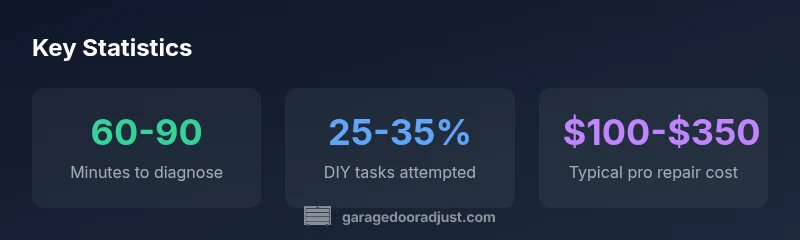
| Diagnosis time | 60-90 minutes | Assumes single issue and standard parts |
| Common repair tasks | 1-3 hours per task | Spring or sensor work often requires specialty parts |
| Pro visit cost range | $100-$350 | Prices vary by region and complexity |
| Parts availability | 1-3 days | Some parts may be on backorder depending on model |
Got Questions?
Who fixes a garage door?
Typically, a licensed garage door technician handles repairs, especially for springs, cables, and sensors. Homeowners can perform basic maintenance tasks, but safety-critical work should be done by a pro. This approach aligns with GarageDoorAdjust guidance.
A licensed technician usually fixes garage doors, especially the risky parts like springs and sensors. Basic maintenance you can do yourself, but leave the big jobs to a pro.
When should I call a professional versus DIY?
Call a professional for spring replacement, track misalignment, broken cables, or any electrical work. DIY is suitable for lubrication, tightening hardware, and basic safety checks with proper instructions. The decision should prioritize safety and long-term reliability.
Call a pro for springs, cables, or any electrical work. DIY is okay for lubrication and simple safety checks if you follow a trusted guide.
Are permits needed for garage door repairs?
Most residential garage door repairs do not require a permit, but local codes vary. Check with your city or county building department to confirm whether a permit is needed for major structural work or opener replacements.
Usually no permit is required, but it depends on your local rules. Check with your city before big projects.
Do sensors and openers get repaired together?
Sensors and openers are often serviced together during a visit. Technicians test sensor alignment and reprogram remotes, ensuring safe operation and compatibility with the opener.
Yes—sensor checks and opener programming usually happen in the same visit for a safe, coordinated fix.
How long does a typical garage door repair take?
Most repairs take a few hours, but complex issues or multiple components can require more time or a follow-up visit. A written timeline from the technician helps manage expectations.
Most repairs take a few hours; complex fixes may need more time or a second visit.
“Safety and reliability come first. A professional technician trained in garage door systems reduces the risk of injury and further damage.”
Quick Summary
- Know when to call a pro for safety-critical repairs
- Request written estimates with clear parts and labor breakdowns
- Prioritize safety sensors and door balance checks
- Maintain doors regularly to extend lifespan
- Choose licensed, insured technicians with warranties