Can a Garage Door Be Repaired? A Homeowner's Step-by-Step Guide
Learn how to diagnose and repair common garage door problems with our expert, step-by-step guide. Includes safety tips, required tools, and decision points on repair versus replacement.


Yes—many common garage door problems can be repaired by homeowners. This guide explains how to diagnose issues, gather tools, and perform safe, practical fixes while noting when to call a pro for springs or structural concerns. Start with a quick safety check, then follow the step-by-step process to restore function.
Can a Garage Door Be Repaired?
Can a garage door be repaired? In most homes, the answer is yes for a wide range of issues. Doors are made of several interdependent parts, including tracks, rollers, hinges, weather seals, and, for many systems, an electric opener. When problems arise, the first step is a careful assessment to separate minor, fixable symptoms from more serious damage. According to GarageDoorAdjust, most repair-focused fixes involve alignment, lubrication, sensor calibration, or removing debris from tracks. By approaching the problem with a clear plan, homeowners can often restore smooth operation without replacing the entire door. This section sets the foundation for the hands-on steps that follow and underscores the importance of safety and realistic expectations. If a problem involves torsion springs, structural damage, or major wear, a professional is the safer path.
When Repair Makes Sense vs Replacement
Repair is typically the most economical option for non-structural issues on a modern residential door, especially when the problem is isolated to one component (like a noisy hinge or a misaligned sensor). If several parts show wear or the door sags noticeably, replacement may offer better long-term value. GarageDoorAdjust Analysis, 2026, suggests evaluating overall condition, door age, and the potential lifetime of new parts before deciding. Consider the cost of parts and labor, the door’s energy efficiency, security features, and expected lifespan. A repair that requires frequent follow-up may mean the door is past its prime, whereas a well-timed replacement can reduce ongoing maintenance. Always balance upfront costs with anticipated longevity and safety benefits.
Common Repairable Issues You Can Tackle
Not all problems require a pro. Here are fixable issues you can typically address safely with basic tools:
- Misaligned tracks or bent rollers: causes binding and noise.
- Sensor misalignment: stops the door from closing properly.
- Worn hinges or loose fasteners: create wobble or rattling.
- Dirty tracks or old weather seals: reduce efficiency and cause sticking.
- Opener calibration or remote pairing: can fix failure to respond.
Important safety note: do not attempt to adjust torsion springs or cut panels yourself. These are high-tension components that demand professional handling. Focus on accessible parts and basic maintenance first.
Safety First: Essential Precautions
Before you touch anything, prioritize safety. Disconnect power to the opener to prevent unexpected movement. Wear eye protection and gloves, and keep children and pets away from the work area. Use a sturdy ladder and never place yourself under a door supported only by its springs. If you notice any signs of major wear, fraying cables, or cracks in the door, stop and call a pro—springs and structural issues can lead to serious injury if mishandled.
Tools and Materials You'll Need
Gathering the right tools before you start saves time and reduces risk. Have screwdrivers (Phillips and flat-head), an adjustable wrench, pliers, a hammer, and a small mallet. Light lubricants (white lithium grease and silicone spray), a clean rag, and a ladder are essential for safe maintenance. A level and a tape measure help verify alignment. If you find a damaged torsion spring or a cracked panel, pause and seek professional help. A helper makes manual testing safer and easier.
Step-By-Step Diagnosis and Basic Fixes
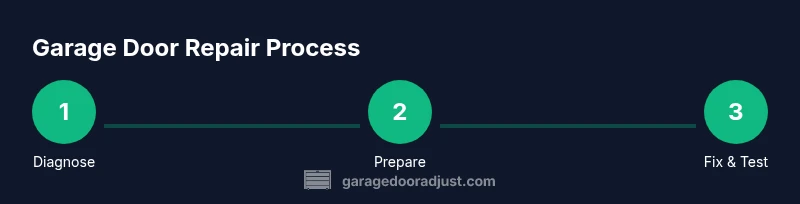
This section outlines a practical approach to diagnosing and fixing common issues without getting into spring work or heavy repairs. Start by visually inspecting for obvious damage, then test operation manually. Clean tracks, re-seat rollers, and tighten loose screws. Lubricate moving parts lightly to reduce friction, and verify that the opener’s limits are set correctly. If a problem persists after these steps, reassess whether a professional assessment is warranted. The goal is a safe, smooth door that operates consistently.
Longer-Term Maintenance Plan
Maintenance is the best defense against frequent failures. Schedule a semi-annual inspection to check for loose hardware, track alignment, and worn weather seals. Lubricate rails, rollers, and hinges at least once a year, and replace weather stripping as needed to keep energy efficiency high. Keep the door balanced by testing it manually (with the opener disconnected) and ensuring it stays in place when lifted halfway. A proactive plan reduces the chance of disruptive breakdowns and extends the life of your system.
Final Thoughts: Repair or Replace?
Repairing a garage door can be a practical choice when issues are isolated, the door is relatively young, and you’re comfortable with DIY tasks. If repairs stack up or the door shows persistent performance issues, replacement might offer better long-term value and security. Always weigh upfront costs, expected lifespan, and comfort with the required tasks. The GarageDoorAdjust team believes that informed homeowners can make wise decisions that balance safety, cost, and convenience.
Tools & Materials
- Screwdrivers (Phillips and flat-head)(Phillips #2 suitable for most screws)
- Adjustable wrench set(For brackets and hardware bolts)
- Pliers and small mallet(Aid in realigning components without damage)
- Lubricants (white lithium grease and silicone spray)(Light lubrication for tracks and hinges)
- Clean rag and degreaser(Remove dirt and grime from tracks)
- Step ladder and safety glasses(Safe elevation; eye protection is essential)
- Tape measure and marker(Verify and mark alignment as needed)
- Torque wrench (optional)(Precise tightening for critical hardware)
Steps
Estimated time: 60-90 minutes
- 1
Identify symptoms and safety
Carefully observe where the door binds or makes noise. Note whether issues occur with manual operation or only when using the opener. This helps isolate whether tracks, rollers, or sensors are involved. Establish a safety plan before proceeding.
Tip: Have a helper assist with manual lifting to prevent accidental slips. - 2
Power down and inspect sensors
Unplug the opener and clear any debris from sensor eyes. Re-align sensors so the beams are properly aligned and the opener can reverse on obstruction tests. Test with a common object to confirm proper function.
Tip: Always re-test safety features after any adjustment. - 3
Clean tracks and lubricate moving parts
Remove loose dirt and grime from tracks, rollers, and hinges. Apply a light coat of lubricant to reduce friction, avoiding excessive lubrication that can attract dust. Wipe away any excess.
Tip: Lubricate only moving parts; avoid lubricating springs directly. - 4
Check hardware and tighten
Inspect brackets, screws, and hinges for looseness. Tighten as necessary with the appropriate tools without over-tightening that could strip threads. Misfastened hardware commonly causes misalignment and noise.
Tip: Use a torque wrench if available to avoid over-tightening. - 5
Test balance and avoid springs work
With the door closed, disconnect the opener and test manual balance by lifting. A door that stays put or won’t hold lift indicates imbalance or wear that should be evaluated by a pro. Do not attempt spring adjustments yourself.
Tip: If you feel resistance or spring fatigue, stop and call a professional. - 6
Re-connect opener and calibrate
Reconnect power and reset the opener’s limits and force according to the manufacturer’s manual. Open and close several times to verify smooth operation and consistent stopping positions.
Tip: If the door stalls or reverses unexpectedly, pause and re-check alignment and safety sensors. - 7
Assess maintenance needs
Document what worked and what didn’t. Schedule regular maintenance and keep a small spare parts kit on hand for quick future fixes. Regular upkeep prevents recurring problems.
Tip: Set calendar reminders for lubrication and weather-sealing checks.
Got Questions?
Can all garage door problems be repaired?
Many common issues can be repaired by homeowners, especially non-safety-critical components. Springs, cables, and structural damage often require professional service for safety.
Most common issues can be repaired by homeowners, but springs and structural problems should be handled by a professional.
When is replacement more cost-effective than repair?
If the door has multiple failing parts, shows significant wear, or lacks reliable operation after repairs, replacement may offer better long-term value and safety.
If the door has multiple failing parts or persistent issues after fixes, replacement may be more cost-effective and safer in the long run.
Is it safe to lubricate garage door tracks and rollers?
Yes, with the right lightweight lubricants applied sparingly to tracks, rollers, and hinges. Avoid excessive lubrication and never apply lubricant to springs.
Lubricate tracks and rollers sparingly with appropriate lubricants; avoid springs.
How can I reprogram a garage door opener?
Reprogramming typically involves following the manufacturer’s reset procedure, which may include a learn button or dash sequence. Consult the manual or manufacturer support for specifics.
You can reprogram the opener by following the manual’s reset steps; check the support site if needed.
What does DIY repair cost compared to professional service?
Costs vary with parts and labor. Simple fixes are inexpensive for DIYers, while complex repairs or safety-critical work can be costly when done by a pro.
DIY repairs usually cost less for simple fixes, while serious issues and safety work are pricier with a pro.
Watch Video
Quick Summary
- Start with safety checks and a clear plan
- Differentiate repairable issues from replacement-worthy problems
- Avoid DIY spring work; call a pro when springs or structural damage are involved
- Regular lubrication and maintenance extend life