Garage Door Repair Chattanooga: A Step-by-Step Guide
A comprehensive, safety-first guide to garage door repair in Chattanooga. Learn diagnostics, tool prep, step-by-step fixes, and when to call a pro, with tips to keep your door running smoothly.


According to GarageDoorAdjust, homeowners in Chattanooga can safely diagnose and fix many common garage door problems using a simple, step-by-step approach. This quick guide covers how to identify symptoms, prepare the right tools, perform safe adjustments, and test operation. You’ll learn when a DIY fix is appropriate and when to call a professional to avoid injury or further damage.
Understanding the Local Context of Garage Door Repair in Chattanooga
Living in a city like Chattanooga means dealing with variable weather, humidity, and temperature that can affect garage door components differently than in milder climates. The most common issues hinge on wear from door cycles, misalignment of tracks, sensor misreads, and weather-stripping degradation. A Chattanooga-specific approach emphasizes inspecting outdoor components for rust, ensuring seals stay intact to prevent drafts, and recognizing that seasonal temperature shifts can cause expansion or contraction of metal parts. With this guide, homeowners learn to diagnose symptoms in the context of local conditions, track wear patterns over seasons, and set up a preventative maintenance routine that reduces unexpected failures. The phrase garage door repair chattanooga appears here to anchor local relevance and help searchers identify this guide as specifically for their region. For ongoing reliability, document routine checks and keep a simple log of issues and fixes. According to GarageDoorAdjust, a local maintenance cadence can dramatically extend the life of your door, especially when paired with timely professional inspections if alarms or safety features fail.
Symptoms You Might See in a Chattanooga Home
Common signs include slow or jerky movement, a door that won’t open or close fully, unusual noises like grinding or screeching from tracks or rollers, and an opener that hesitates before reversing. In coastal-influenced regions or areas with high humidity, rust and corrosion on rails or hinges are frequent culprits. Another frequent issue is misaligned safety sensors, which can prevent the door from closing fully. If the door falls more than a few inches when lowered, or if one side drifts, you likely have a balance or alignment problem. Documenting when each symptom occurs helps you narrow down the cause more quickly and reduces guesswork during repairs. This is essential reading for homeowners dealing with garage door repair in Chattanooga, where local conditions can influence wear patterns. The takeaway is to approach diagnosis methodically, starting with visual inspection and then validating with manual tests.
Safety First: Lifting, Springs, and Electrical Hazards
Garage doors operate with high-tension springs and heavy components that can pose serious injury risks if mishandled. Always prioritize safety by powering down the system and disconnecting the opener before touching mechanical parts. Never attempt to adjust torsion springs or unwind cables yourself unless you are trained—these actions store lethal energy. Keep children and pets away from the workspace, wear eye protection, and work on a level, dry surface with sturdy footwear. If you notice frayed cables, broken springs, or door behavior that induces unpredictable movement, stop and call a professional. This section emphasizes a local, safety-first mindset that reduces the chance of harm during garage door repair in Chattanooga. When in doubt, opt for professional diagnostics rather than risking severe injury.
Tools and Materials You’ll Need
Before you start, assemble essential tools and materials and ensure you have a clean workspace. The right gear improves safety and increases the likelihood of a successful repair on the first attempt. A stable ladder, protective eyewear, and gloves are non-negotiables. Have screwdrivers, a wrench set, pliers, and a silicone-based lubricant ready for adjustments and lubrication. If you suspect sensor or electrical issues near the opener, a non-contact voltage tester can help confirm wires are de-energized. For worn parts, stock up on replacement rollers, hinges, weatherstripping, or other components that you identify as compromised. This section aligns with general best practices and helps you prepare for the diagnostic phase without surprises.
Diagnostic Checklist: Pinpoint the Issue
Start with a visual inspection of tracks, rollers, rollers’ housings, and hinges for wear or misalignment. Check for loose mounting screws and bent brackets that can throw the door off track. Listen for noises that correspond to specific components: grinding near the tracks suggests lubrication or alignment needs, while squeaky hinges indicate dry lubrication. Test the door with and without the opener engaged to see whether the issue is in the door itself or in the opener. If the door closes unevenly or binds when operated manually, the problem is most likely mechanical (balance, rollers, or tracks) rather than electrical. Use this methodical checklist to avoid skipping critical steps and to support a precise diagnosis in any Chattanooga home.
Step-by-Step Troubleshooting Approach
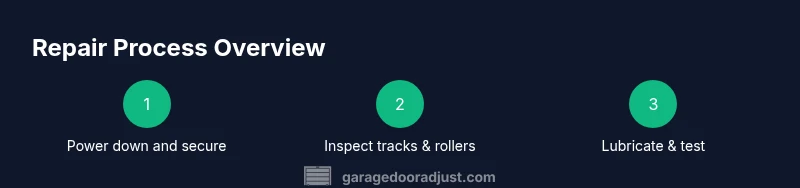
This section expands on the quick path to resolution with a structured sequence that keeps safety top of mind. Begin with power-down and a manual door test, then inspect rails for alignment and any obstructions. Evaluate rollers and hinges for wear, and apply lubrication where moving parts meet. If things appear worn or damaged, replace components in the order that preserves balance. Finally, re-test the door with the opener and confirm that safety sensors respond correctly. Reading the symptoms carefully helps you determine whether you can proceed independently or if a professional is warranted.
When DIY Is Appropriate vs. When to Hire a Pro
DIY fixes work well for minor adjustments, lubrication, track alignment, or sensor recalibration when there is no sign of structural damage or compromised springs. If you identify frayed cables, damaged torsion springs, warped tracks, or burnt electrical components, turn to a pro rather than continuing the repair yourself. In Chattanooga, an initial diagnostic by a qualified technician can prevent further damage and save time and money in the long run. Remember: safety first means acknowledging when a problem is beyond a homeowner’s scope and seeking professional guidance.
Maintenance to Prevent Future Problems
Preventive maintenance is cheaper than emergency repairs. Schedule a semi-annual check: lubricate moving parts, clean and re-align tracks, inspect weatherstripping, and test safety features. Keep the door balanced and aligned by performing a gentle manual lift check and ensuring the door stays in place when released. Document any issues you find and address them promptly. A consistent maintenance routine helps you avoid sudden failures and keeps your Chattanooga home secure and functional.
Tools & Materials
- Safety goggles(Protect eyes from debris and springs)
- Work gloves(Grip and protect hands during handling)
- Screwdrivers (Phillips and flat-head)(Assorted sizes for brackets and hinges)
- Wrench set (adjustable and fixed)(For bolts on brackets and track hardware)
- Socket set(For nuts on rollers and jamb fittings)
- Pliers (needle-nose and slip-joint)(Grip and bend components safely)
- Lubricant spray (silicone or lithium grease)(Apply to rollers, hinges, and tracks)
- Step ladder (stable, rated for weight)(Access high components safely)
- Non-contact voltage tester(Check for live wires near sensors)
- Replacement parts (rollers, hinges, weatherstripping)(Only replace worn components identified during inspection)
Steps
Estimated time: 30-60 minutes
- 1
Disconnect power and secure the door
Power down the garage door system at the breaker or unplug the opener. Pull the emergency release to disconnect the door from the opener so you can operate it manually. This prevents the opener from activating during inspection and protects you from unexpected movement.
Tip: Verify the door is fully supported and will not close on you when you disconnect the opener. - 2
Inspect tracks for alignment and obstructions
Check both tracks for bends, dents, and loose screws. A misaligned track causes binding or jerky motion. Secure any loose fasteners and gently bend back tracks if needed using pliers, taking care not to create new kinks.
Tip: Always test track alignment by opening the door a few inches and watching for consistent travel along both rails. - 3
Check rollers, hinges, and weatherstripping
Examine rollers for wear and wear-induced wobble; replace worn wheels. Inspect hinges for cracks or looseness. Check weatherstripping for gaps that could let in drafts or moisture, and replace if compressed or torn.
Tip: Lubricate roller pivots with silicone-based lubricant after replacement to ensure smooth operation. - 4
Lubricate moving parts and adjust if necessary
Apply lubricant to tracks where metal meets metal, hinges, and roller bearings. Avoid over-lubricating as excess oil can attract dust and impede performance. Re-check alignment after lubrication to confirm the door moves freely.
Tip: Wipe excess lubricant to prevent drips on flooring or electronics. - 5
Test balance and safety features
Manually lift the door halfway; if it doesn’t stay put, the balance is off and springs or cables may be failing. Reconnect the opener and test safety reversing sensors by placing an object in the door’s path. If the door doesn’t reverse, adjust or replace sensors.
Tip: Never try to adjust torsion springs yourself; they carry dangerous tension. - 6
Re-engage power and finalize adjustments
Reconnect the opener and test the door’s full range of motion using the remote. Observe for smooth travel without sudden stops or noise. Tighten any remaining loose hardware and re-secure the emergency release only after confirming safe operation.
Tip: Keep a small repair log for future reference and seasonal checks.
Got Questions?
What are the most common signs a garage door needs repair in Chattanooga?
Look for slow or jerky movement, door failing to fully open or close, unusual noises, or sensors not responding. Rust on tracks or hinges is common in humid climates. Start with a visual check, then test the opener both manually and with the remote.
Common signs include slow movement, unusual noises, and sensor issues. Start with a visual check, then test the door manually and with the opener.
Can I fix a broken spring myself?
No. Torsion springs store a lot of energy and can cause serious injury if mishandled. Hire a licensed professional for any spring repair, and only perform non-spring related maintenance if you’re sure of the steps.
Spring repair is best left to a pro. Springs store dangerous energy, so don’t DIY that part.
Is it safe to adjust safety sensors by myself?
Yes, you can adjust alignment and cleaning of sensor lenses, but avoid bypassing them or rewiring without guidance. Ensure the sensors are clean and aligned, and test using an object in the door’s path.
Sensor alignment is doable, but don't bypass them. Clean and align, then test with an obstacle.
How long does a typical garage door repair take?
Most routine fixes take 1–3 hours, depending on the issue and access to parts. Complex spring or track damage may require a pro and additional time.
Most repairs take 1 to 3 hours, depending on the issue. Complex spring work may take longer.
How can I prevent future problems with my garage door?
Schedule semi-annual inspections, lubricate moving parts, replace weatherstripping as needed, and keep sensors clean and aligned. Regular maintenance reduces unexpected breakdowns and extends door life.
Regular maintenance, lubrication, and sensor care prevent most common issues.
Should I replace my opener if it’s old?
Consider replacement if the opener is unreliable, noisy, or lacks modern safety features. A newer unit can improve security and efficiency, but evaluation should include wiring and compatibility with existing components.
If your opener is unreliable, upgrading can improve safety and efficiency.
Watch Video
Quick Summary
- Identify local weather impacts on door components for Chattanooga.
- Prioritize safety and never bypass safety sensors.
- Differentiate DIY tasks from spring-related or electrical work.
- Lubricate moving parts and test balance regularly.
- Document issues and maintain a proactive maintenance log.