Cincinnati Garage Door Repair: A Homeowner's Step-by-Step Guide
A comprehensive homeowner-friendly guide to Cincinnati garage door repair, safety, tools, and when to hire a pro. Learn how to diagnose, fix common issues, and keep your door operating smoothly.


With Cincinnati garage door repair, you’ll diagnose opener and track issues, verify safety sensors, and reset balance. This quick guide covers essential safety checks, common fixes, and the exact tools you’ll need. You’ll learn when a DIY fix is feasible and how to avoid costly mistakes by knowing your limits.
Safety First: Quick Checks Before You Start
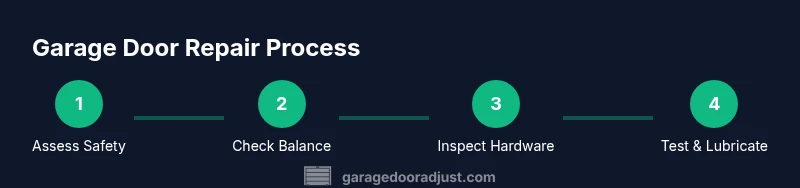
Before you touch a garage door, power down the opener, uncover power sources, and wear protective gear. The GarageDoorAdjust team emphasizes safety: never work under a door that is supported only by cables; always disengage the opener manually and verify with a partner when possible. According to GarageDoorAdjust, safety first reduces risk and sets the stage for a successful fix. In Cincinnati, winter and wet conditions can make metal tracks and step ladders slick. Ensure your workspace is dry, with a stable ladder and dry shoes. Start by unplugging the garage door opener or removing the battery from a wireless remote to prevent accidental activation. Put on eye protection and gloves; keep hands away from springs, hinges, and moving parts. If you notice frayed cables, cracked tracks, or a door that binds or shifts suddenly, stop and reassess before continuing. The first step is to identify whether the issue is mechanical, electrical, or balance-related. Take clear photos of the door’s position, track alignment, and spring area for reference. This information helps you decide whether you can safely proceed or if professional service is required. Safety isn’t optional here—it's the foundation of any Cincinnati garage door repair project.
Cincinnati-Specific Conditions for Garage Doors
The climate and road conditions in Cincinnati place unique demands on residential garage doors. High humidity in summer and freeze-thaw cycles in winter stress metal tracks, torsion springs, and seals. Road salt and grime can accumulate on tracks and hardware, accelerating wear. The GarageDoorAdjust analysis highlights that lubrication and proper track alignment are especially critical in this region to minimize noise and wear during seasonal shifts. Homeowners should expect more frequent inspection during spring and autumn when temperature swings are dramatic. Inspections should focus on balance, track clearance, and weather seals at the doorway bottom. In addition, consider insulating and sealing the garage space to reduce drafts that can cause doors to work harder. Practicing proactive maintenance aligned with Cincinnati’s weather helps prolong the life of the door and opener, while reducing the likelihood of mid-summer breakdowns or winter jams. This approach keeps your system reliable through hot days and icy mornings.
Common Problems in Cincinnati Garages: Causes and Fixes
Homeowners in Cincinnati often report noisy doors, slow responses, or doors that don’t close all the way. The most common culprits are track misalignment, worn rollers, loose fasteners, and sensor misalignment. When tracks are bent or obstructed, the door may bind or rub against the frame. Worn rollers and guides reduce smooth operation and create noise. Improper lubrication can attract dust and increase resistance. Sensor misalignment causes doors to reverse unexpectedly, especially when wind shakes the door or when pets pass in front of the beam. Regular inspection helps identify these issues before they worsen. The GarageDoorAdjust analysis emphasizes that routine lubrication and proper alignment dramatically reduce wear in local conditions. By recognizing these symptoms early, you can perform a safe, effective DIY fix or decide when professional service is warranted. Always test the full travel of the door after adjustments to confirm smooth operation and safety.
Diagnosing Door Balance and Track Condition
A healthy door should balance near the middle of its travel. Disconnect the opener to test manually: lift the door to about halfway and observe its behavior—if it stays in place, balance is good; if it sag or rises, springs or track alignment may need adjustment. Inspect tracks for dents, loose mounting screws, or debris. Use a level to ensure tracks are plumb and parallel; even slight misalignment can cause binding and uneven wear on rollers. Check rollers and hinges: worn rollers produce noise and friction; replace them if they show flat spots or wobble. Measure gaps at the bottom corners and compare left vs. right sides to spot uneven balance. Record findings with photos for reference. If you encounter stubborn binding around the rollers, or if the torsion spring mechanism appears stressed, stop and consider a pro. A careful balance check reduces the chance of sudden door shifts that can injure bystanders and damage vehicles. In Cincinnati garages, winter grime and humidity can amplify minor misalignments—address them promptly.
Opener and Sensor Diagnostics
Many issues involve the opener or safety sensors rather than the door itself. Start by unplugging the opener to eliminate accidental activation; reinsert power only after you’re certain the area is ready. Check the safety beams: they should be pointed directly at each other with a clear line of sight and no obstructions—move any reflecting surfaces or pets away. Test by placing a tall object in the beam’s path and ensuring the door reverses when contact is detected. If remotes or keypad codes fail, replace the batteries and reprogram as needed. Inspect the opener’s limit switches and remote receiver, listening for smooth travel and consistent stopping points. Fault codes on modern openers point you to specific components; consult your model’s manual or manufacturer site for guidance. If you encounter intermittent sensor faults or electrical errors, this might indicate wiring damage or a failing logic board—seek professional help rather than attempting risky repairs.
Maintenance Habits That Extend Your Garage Door’s Life
Adopting a simple maintenance routine dramatically extends the life of a garage door and its opener. Schedule lubrication at least twice a year, focusing on hinges, rollers, tracks, and torsion hardware. Clean tracks to remove drywall dust, dirt, and road grime that can impede movement. Inspect weather seals and replace damaged sections to prevent drafts and moisture intrusion. Tighten loose bolts and brackets; vibration during operation can loosen mounting screws over time. Use a silicon- or lithium-based lubricant sparingly—too much can attract dust and gum up components. If you notice persistent squeaks or stiff movement after lubrication, review alignment again; often the cause is a subtle but persistent misalignment or worn components.
Weatherization and Insulation Considerations for Cincinnati
A well-sealed garage reduces stress on moving parts and improves energy efficiency. Ensure weather stripping at the door bottom forms a tight seal with the floor; replace worn seals to prevent air leakage. In colder months, consider adding insulation to the door panels or upgrading to an insulated door if you routinely park a vehicle in an unheated space. In Cincinnati’s climate, a modest insulation upgrade can reduce door travel resistance and keep insulation dry during humidity cycles. Cleaning and lubricating the tracks while the door is closed minimizes the chance of lubricant running into moving parts when the door moves. Regular checks after extreme weather help catch issues early and save costs over time.
DIY vs Pro in Cincinnati: Making the Call
Certain tasks are safely within reach for a confident homeowner, but high-tension springs, torsion systems, cable drums, and structural frame work pose serious risks. If you encounter frayed cables, a cracked track, or a door that’s off-balance after several adjustments, it’s often wise to call a pro. In Cincinnati, where humidity and road salt can accelerate wear, a professional can perform precise balance tests, spring tension checks, and track alignment with specialized tools. The key is to assess risk: if you’re unsure about the springs, cables, or wiring, or if the door moves unevenly or loudly after your attempts, stop and call a qualified technician. The GarageDoorAdjust team recommends prioritizing safety and reliability over a DIY quick fix. A professional service can prevent personal injury and costly future repairs by addressing root causes rather than masking symptoms. If you choose to DIY, document every step, maintain a careful checklist, and never bypass safety devices.
Authority Sources
This section provides reputable references for garage door safety, maintenance, and standards applicable to Cincinnati repairs. These sources can help homeowners verify best practices and stay compliant with safety guidelines:
- https://www.osha.gov
- https://www.cpsc.gov
- https://www.energy.gov
Tools & Materials
- Safety goggles(Protect eyes from debris and spring tension)
- Gloves(Grip and hand protection)
- Ladder (6-8 ft)(Stable, non-slip feet; have a spotter if possible)
- Socket/wrench set(Common sizes: 1/4, 3/8 inch)
- Screwdrivers (Phillips & flat-head)(Helpful for track screws and hardware)
- Lubricant spray (silicone or lithium grease)(Use on hinges, rollers, and tracks)
- Cloths/rags(Wipe surfaces and remove old lubricant)
- Measuring tape(Check track spacing and door balance)
- WD-40 or penetrating oil(For stubborn hinges or rusted fasteners)
Steps
Estimated time: 60-90 minutes
- 1
Disconnect power and prepare workspace
Unplug the opener and clear the area. Confirm the door is mechanically locked in place and cannot move while you work. This prevents accidental movement that can cause injury.
Tip: Have a helper nearby to stabilize the door if needed. - 2
Inspect tracks and hardware for alignment
Visually inspect tracks for dents and loosened hardware. Use a level to confirm tracks are plumb and parallel; tighten mounting screws if loose.
Tip: Check both vertical tracks for symmetry; small misalignments compound over the door’s travel. - 3
Check balance and springs safely
With opener disconnected, test manual balance by lifting the door halfway and releasing gently. If it drifts or springs unexpectedly, the balance or springs may require professional attention.
Tip: Do not attempt to adjust torsion springs yourself. - 4
Test rollers, hinges, and alignment
Inspect rollers for wear; rotate and listen for unusual friction. Tighten or replace worn hinges and ensure the rollers run smoothly along the track.
Tip: Replace worn parts in matched sets to maintain balance. - 5
Lubricate moving parts
Apply lubricant to hinges, roller bearings, and track joints. Wipe away excess to prevent dust buildup.
Tip: Avoid lubricating the top of the tracks; it can attract debris. - 6
Reconnect and test the system
Reconnect the opener, test door travel, safety sensors, and reverse mechanism. Listen for smooth operation and verify the door stops correctly at the final positions.
Tip: Test with a light object in the sensor path to confirm automatic reversal.
Got Questions?
Can I fix a garage door opener myself?
Some opener issues can be addressed by homeowners, such as battery replacement or sensor realignment. However, high-tension components and wiring should be handled by a professional to avoid serious injury.
You can handle simple tasks like batteries or sensors, but avoid high-tension parts—call a pro for those.
How do I know when springs need replacement?
Visible wear, fraying cables near the springs, or a door that is difficult to lift manually indicates potential spring damage. Do not attempt to adjust or replace springs yourself.
If the door is hard to lift or you see worn springs, it’s time to call a pro.
What tools are essential for Cincinnati garage door tasks?
A basic set of screwdrivers, wrenches, a level, a ladder, a silicone-based lubricant, and safety gear cover most DIY tasks. For high-tension components, professional tools and training are required.
Keep a screwdriver set, a level, and safety gear handy; call a pro for springs.
How often should I inspect and maintain my door?
Inspect and lubricate moving parts twice a year, and check weather seals and tracks after extreme weather or road salt exposure.
Do a twice-yearly check and after heavy weather.
When is weather sealing worth replacing?
If drafts are noticeable or moisture is entering the garage, replace damaged weather seals. Proper sealing reduces wear on hardware and improves energy efficiency.
Replace worn seals if you feel drafts or see moisture.
Should I upgrade to an insulated door in Cincinnati?
If your garage is heated or cooled, an insulated door can save energy and reduce stress on the opener in variable Cincinnati weather.
An insulated door helps energy and operations in our climate.
Watch Video
Quick Summary
- Safety first governs every repair task
- Identify opener vs. mechanical issues before proceeding
- Regular lubrication reduces wear and noise
- Call a pro for springs and high-tension components