Garage Door Cincinnati OH: Step-by-Step Troubleshooting
Learn to diagnose, repair, and maintain your garage door in Cincinnati OH with a step-by-step homeowner guide. Safety, tools, and maintenance tips included for reliable, local-ready fixes.


This guide helps homeowners in Cincinnati OH diagnose, repair, and safely maintain a common garage door. You’ll learn essential safety steps, the exact tools you’ll need, a clear step-by-step process, and when it’s best to call a pro. Follow along to fix issues faster and keep your door operating smoothly.
Why Local Context Matters in Cincinnati OH
The climate and humidity in Cincinnati OH can affect residential garage doors differently than other regions. Local wear from seasonal temperature changes, road salt in winter, and heavy summer humidity can influence track alignment, lubricant performance, and spring tension over time. Understanding how these factors interact with your door helps you diagnose issues more precisely and plan maintenance around seasonal needs. According to GarageDoorAdjust, homeowners who tailor maintenance to local conditions reduce unexpected failures and extend door life. This local approach also makes it easier to source compatible parts and scheduling expertise when you need professional help.
Common Garage Door Problems in Cincinnati Weather
In Cincinnati, temperature swings and moisture can lead to noisy operation, sluggish lifting, misaligned tracks, and sensor misreads. Corrosion on metal components, especially in spring housings and rollers, is more likely in humid months. If you notice slow rollback, sticking panels, or frequent sensor light checks, you’re not alone; many local homeowners experience these symptoms seasonally. Proactive lubrication, gentle tightening of loose hardware, and track cleaning usually resolve routine issues. If problems persist after basic maintenance, consider deeper inspection of springs, cables, and the opener itself. GarageDoorAdjust analyses show that proactive, local-focused maintenance reduces the odds of emergency repairs.
Tools and Safety Basics
Before you touch any mechanism, gather the essentials: a sturdy ladder, safety glasses, work gloves, an adjustable wrench, a socket set, screwdrivers, a flashlight, and a can of silicone-based lubricant. A helper improves safety when balancing the door or handling springs. Keep the door in the fully open position while inspecting tracks and rollers to avoid pinch points. If any component shows obvious wear (cracked tracks, frayed cables, or rusted springs), plan for replacement or professional service. Always disconnect the door from the power source before inspecting the opener and avoid attempting spring work unless you’re trained.
Step-By-Step Troubleshooting Overview
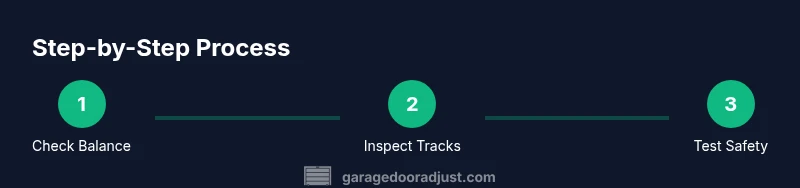
This section outlines a practical, sequential plan to diagnose common issues without disassembling critical safety parts. Start with the simplest checks—balance, tracks, and sensors—before testing the opener’s force and limits. Document what you observe at each step; this helps you decide whether the problem is mechanical, electrical, or related to wear. If you encounter a squeal, it’s often lubrication or loosened hardware; a clunking sound could indicate a track or roller issue. The goal is to identify root causes and apply targeted fixes, not guesswork.
Detailed Troubleshooting Steps (Step 1–8)
This block provides concrete actions you can take, each with a clear reason and a practical tip. Follow in order to avoid unnecessary risk and to build a reliable maintenance habit for your Cincinnati home. All actions assume the door is unplugged from the power supply unless testing the opener. If any step reveals potential danger (e.g., obvious spring damage), stop and call a pro.
Maintenance Plan for Seasonal Changes
Create a simple calendar-based maintenance plan tailored to Cincinnati’s seasons. Schedule lubrication and track cleaning every 6–12 weeks during the warm months, and check hardware tightness and sensor alignment after winter salt use. Replace worn rollers and inspect cables as part of an annual check-up. Record dates and observations to track performance over time, helping you anticipate when parts will near end-of-life.
When to Call a Pro in Cincinnati OH
Not all issues are safe for DIY. If springs look fatigued, cables frayed, or you must force the door to move, it’s time to seek professional service. Local pros are familiar with the codes and climate-specific wear you’ll encounter in Cincinnati. Getting a professional inspection can prevent injuries and costly mistakes, especially when dealing with torsion springs and high-tension components.
DIY vs. Professional Repairs: Cost-Saving Considerations
DIY fixes save money for minor problems like lubrication, sensor realignment, or track cleaning. For critical components—springs, cables, or torsion systems—costs can escalate quickly if done incorrectly. A cost-conscious approach is to handle preventive maintenance yourself and defer high-risk repairs to a trained technician. In Cincinnati, a combined DIY-plus-pro approach often yields the best balance between safety and long-term savings.
Local Resources and Permits
Cincinnati OH residents should verify any local permitting requirements for significant structural work or electrical connections linked to a new opener. While most minor maintenance does not require permits, ensure that you comply with local codes and HOA guidelines if applicable. Keeping records of service, parts, and safety checks helps with future resale and potential inspections.
Tools & Materials
- sturdy ladder(Reach tracks safely; ensure ladder on firm surface)
- safety glasses(Protect eyes from debris and springs)
- work gloves(Grip and hand protection)
- adjustable wrench(Tighten/loosen hardware on tracks and hinges)
- socket set(Work on bolts in hardware and mounting brackets)
- screwdrivers (flat and Phillips)(Remove covers and trim components)
- flashlight(Inspect dim corners of tracks)
- silicone-based lubricant(Lubricate hinges, rollers, and tracks (avoid graphite or WD-40))
- multi-meter (optional)(Diagnose opener electrical issues)
- replacement rollers and brackets (as needed)(Use compatible sized parts; avoid substituting if unsure)
Steps
Estimated time: 60-120 minutes
- 1
Check door balance
With the door fully closed, disengage the opener and manually raise the door about halfway. It should stay in place without assistance. If it falls or sags, the balance is off and springs or tracks may be the culprit. Reconnect the opener once you confirm manual balance.
Tip: If the door feels heavy to lift, stop and call a pro to inspect springs. - 2
Inspect tracks and rollers
Look for dents, debris, or misalignment in the vertical and horizontal tracks. Use a level to verify straightness, and loosened mounting screws if the track shifts. Clean any buildup and re-tighten hardware evenly.
Tip: Do not force a bent track—bending can cause binding and further damage. - 3
Test safety sensors
Place an object in the sensor path and ensure the door reverses on contact. This is a critical safety check that prevents injuries. If the door doesn’t reverse, adjust the sensor alignment and sensitivity per your opener’s manual.
Tip: Regularly clean the photo-eye lenses to avoid false positives. - 4
Check opener power and limits
Plug in and reset the opener if necessary. Verify the travel limits so the door fully closes without reversing late. If the door stalls, test the wall button and remote for consistent operation.
Tip: Record current limit settings before adjusting in case you need to revert. - 5
Lubricate moving parts
Apply a light silicone-based lubricant to hinges, rollers (if exposed), and track bushings. Avoid over-lubricating as it can attract dust and create buildup. Wipe away excess to prevent drips on the door or floor.
Tip: Lubricate every 6–12 weeks in warm seasons, less in cold months. - 6
Tighten hardware and test operation
Check all mounting screws and brackets; tighten evenly to avoid warping. Reconnect the opener and run multiple cycles to ensure smooth operation and no unusual noises.
Tip: If you hear grinding from the springs, stop—this indicates wear that requires a professional. - 7
Inspect torsion springs safety (do not adjust)
Examine torsion springs for gaps, fraying, or excessive looseness. Do not attempt to adjust or unwind springs; this is high-risk and should be left to a licensed tech.
Tip: Note visual cues like gaps or discoloration and schedule a pro visit promptly. - 8
Create a maintenance calendar
Set reminders for lubrication, hardware checks, and safety sensor tests. Sticking to a schedule minimizes surprise failures and extends door life.
Tip: Keep a simple log of dates and observations for trend tracking.
Got Questions?
How can I tell if my garage door springs are broken?
Broken springs typically cause the door to be heavy, uneven, or immovable. If the door cannot be lifted by hand or sags, stop and call a licensed technician. Do not attempt to adjust or unwind springs yourself.
Broken springs make the door very heavy or stuck; stop and call a pro.
Is it safe to diagnose and fix a noisy garage door myself?
Many noises come from simple issues like dry hinges or misaligned tracks. Start with lubrication and tightening hardware. If noises persist, especially grinding or popping from springs, seek professional help.
Lubricate hinges and check tracks first; persistent noises may require a pro.
When should I replace the garage door opener?
Consider replacing if the opener is old, underperforming, or frequently failing to operate safely. Look for modern models with updated safety sensors and energy efficiency. A pro can help select a compatible unit.
If the opener is unreliable or outdated, upgrading makes sense.
Do I need a permit for maintenance or replacement in Cincinnati OH?
Most routine maintenance does not require a permit, but larger installations or electrical changes may require permits. Check local codes or with your HOA for specifics before major work.
Check local codes for any permits required before big work.
How do I pair a new remote with my garage door opener?
Most remotes are paired by pressing a learn button on the opener and then pressing the remote button. Refer to your model’s manual for exact steps. If pairing fails, ensure the receiver isn’t blocked and try again.
Use the learn button on the opener and press the remote to pair.
What maintenance schedule is recommended for Cincinnati homes?
A practical schedule is quarterly lubrication and biannual checks of balance, tracks, and safety sensors. Customize for seasonal weather changes and keep a log of adjustments.
Lubricate quarterly and check balance twice a year.
Watch Video
Quick Summary
- Diagnose local wear patterns for Cincinnati OH specifically.
- Prioritize safety; do not attempt spring work unless trained.
- Regular maintenance reduces emergency repairs.
- Use proper tools and documented steps for reliability.
- Know when to call a pro to avoid injury and further damage.