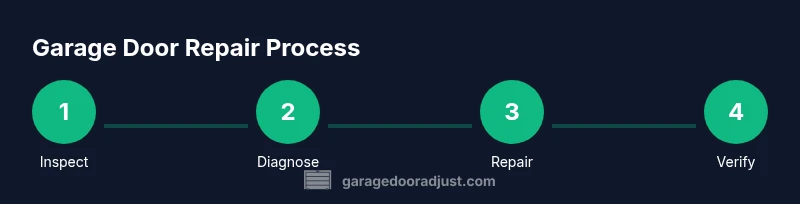
Denver CO Garage Door Repair: A Homeowner's Step-by-Step Guide
Learn to diagnose and safely repair common garage door issues in Denver CO with a practical, step-by-step approach from GarageDoorAdjust. Includes tools, steps, safety tips, and maintenance to keep your door running smoothly.


By following this guide, homeowners in Denver CO will diagnose common garage door issues and perform safe repairs or prepare to hire a pro. You'll learn to inspect tracks, springs, cables, and the opener, identify urgent problems, and document troubleshooting steps. This step-by-step approach emphasizes safety first and uses common tools suitable for DIY maintenance or professional handoffs.
Why garage door repair in denver co matters
In Denver, CO, a malfunctioning garage door can create safety hazards, trap vehicles, and expose your home to weather. According to GarageDoorAdjust, homeowners in Denver face unique climate and altitude challenges that accelerate wear on springs, cables, and tracks. A proactive approach to inspection and repair helps prevent costly emergencies and keeps your daily routine running smoothly. In this guide, you’ll learn how to diagnose common issues, perform safe adjustments, and decide when to call a pro for garage door repair in denver co. The local climate also means your door components experience rapid expansion and contraction, which can loosen fasteners and misalign tracks over time. By building a routine, you empower yourself to catch problems early and reduce downtime.
Denver-specific considerations for garage doors
The high altitude and temperature swings in Denver affect metal components differently than coastal climates. Cold snaps can stiffen springs and cables, while heat and sun fade rollers and seals. Freeze-thaw cycles expand and contract metal, potentially misaligning tracks. Professionals recommend spring tension checks and track alignment at least twice a year, especially after seasonal changes. GarageDoorAdjust analysis shows that preventive maintenance tailored to Denver’s climate significantly reduces the risk of sudden failures. Weekend checklists that focus on balance, lubrication, weather-stripping, and track cleanliness help homeowners stay ahead of issues before they become emergencies.
Common signs a repair is needed
If your garage door shows any of these signs, it’s time to inspect or call a pro:
- Slow response or reversal from the opener
- Unusual grinding, squeaking, or metal-on-metal noises
- Door sits crooked or rubs on tracks
- The door stops short or lurches during travel
- Visible wear such as frayed cables, bent tracks, or loose hardware
- The opener light flickers or won’t disengage manually
Addressing these signs early can prevent more costly repairs and keep your family safe. While some minor maintenance is suitable for DIY, major issues—especially with springs or cables—should be handled by a trained technician.
Safety first: DIY vs professional in denver
Garage doors involve heavy moving parts and high-tension springs. DIY fixes that involve springs, cables, or track re-alignment carry significant risk if you lack proper tools or training. Always disconnect the garage door opener before inspecting or adjusting components, and never place your hands under a door while testing spring tension. If you hear banging, feel door imbalance, or notice a door that won’t stay open, exit the area and call a professional. For many Denver homeowners, prioritizing safety means reserving spring work for pros while performing routine lubrication, balance tests, and visual inspections yourself.
Step-by-step diagnosis approach
To diagnose effectively, start with a visual inspection and a balance test. Check that tracks are straight, rollers spin freely, and hardware is tight. Test the balance by disconnecting the opener and lowering the door halfway; if it stays put, the springs are balanced. Listen for unusual noises during movement and note where they originate (hinges, rollers, or springs). Document all symptoms, as a professional will use this information to determine if the issue is alignment, wear, or a failing component. This approach minimizes guesswork and improves repair outcomes.
Typical repair tasks and estimated time
Common repairs include realigning tracks, replacing worn rollers, tightening loose hardware, lubricating moving parts, and addressing weather-strips. For issues involving springs or torsion systems, professionals typically perform the repair due to safety risk. If you’re comfortable with DIY, you can handle minor tasks such as lubrication and track alignment with the right tools and safety precautions. Time will vary widely based on the issue and accessibility of components; plan for a flexible window and prioritize safety over speed.
Maintenance that prevents frequent repairs
Create a simple maintenance routine to extend life and reduce unexpected failures. Monthly: wipe tracks, lubricate hinges, rollers, and bearings with a silicone-based product. Quarterly: test safety features (auto-reverse on obstruction) and inspect weather-stripping for cracks. Semi-annually: check balance, tighten hardware, and assess spring condition (without touching tension). Seasonal reminders tailored to Denver’s climate help keep your door operating smoothly year-round.
Final verdict for Denver homeowners
The GarageDoorAdjust team recommends adopting a proactive, climate-aware approach to garage door maintenance. By combining regular DIY care (lubrication, balance checks, and weather-stripping) with professional service for springs and major repairs, you reduce downtime and protect your property. Following the steps in this guide will empower you to diagnose issues, perform safe adjustments, and know when to call a pro for reliable, long-lasting results in Denver.
Garage door repair in denver co: quick reference
- Start with a visual inspection and balance test before touching anything
- Prioritize safety: disconnect power and avoid working underneath a loaded spring
- Keep a maintenance log to track issues and when you performed checks
- Consider local codes and weather implications for materials and lubrication
Tools & Materials
- Safety glasses(Impact-rated preferred; protect eyes from springs and debris)
- Work gloves(Carbon-fiber or leather for grip and protection)
- Stepladder(Stable, with helper if high access is needed)
- Socket wrench set(Metric sizes + a few standard sockets)
- Screwdriver set (flat and Phillips)(Varied lengths for hardware access)
- Torque wrench or adjustable torque tool(Helpful for precise fastener torque on hinges)
- Lubricant spray (silicone-based)(Lubricate moving parts; avoid lithium-based on nylon parts)
- Pliers and wire cutters(Handle wires, clamps, and small components safely)
- Tape measure(Check door height and track alignment)
- Replacement rollers or hinges (if worn)(Only if you confirm wear; springs not included)
- Clamps (C-clamps)(Secure components during adjustment)
- Flashlight/headlamp(Ensure good visibility inside tracks and springs)
Steps
Estimated time: 60-120 minutes
- 1
Disconnect power and secure the door
Unplug the garage door opener and place a temporary stop to prevent movement. This eliminates the risk of the door closing while you inspect.
Tip: Never work under a door that is connected to a live opener - 2
Inspect tracks and hardware
Examine track alignment, signs of bending, loose bolts, and worn rollers. Tighten loose screws and replace damaged components as needed.
Tip: Use a level to confirm tracks are vertical and parallel - 3
Test balance without the opener
With the door open, disconnect the opener and let the door descend slowly to test balance. A balanced door should stay where you leave it.
Tip: If the door falls or rises, springs may be worn and require a pro - 4
Lubricate moving parts
Spray silicone lubricant on hinges, rollers, bearing plates, and track joints. Wipe away excess to prevent dust buildup.
Tip: Avoid over-lubricating, which can attract dirt - 5
Check weather-stripping and seals
Inspect the bottom seal and side weather-strips for cracks or gaps; replace as needed to prevent drafts and moisture ingress.
Tip: Keep seals clean and pliable for best performance - 6
Evaluate safety features
Test the auto-reverse function and the manual release; ensure you can operate the door safely in an emergency.
Tip: If safety features fail, stop and call a pro - 7
Decide on repairs
Choose minor tasks you can safely tackle and flag major repairs for a licensed technician, especially springs or cables.
Tip: Document symptoms to help a technician diagnose quickly - 8
Schedule follow-up checks
Set reminders for semi-annual balance tests and annual track inspections to catch wear early.
Tip: A simple calendar alert keeps you on track
Got Questions?
Is it safe to attempt garage door repairs yourself?
Basic lubrication and track cleaning are generally safe with proper precautions. Avoid spring or cable work unless you have professional training and the right equipment.
You can do basic maintenance, but avoid springs and cables unless you’re trained and have the right tools.
What are the signs that a repair is urgent?
Unusual noises, door binding, rapid movement, or failure to open/close reliably indicate issues requiring timely attention to prevent injury and property damage.
If the door grinds, sticks, or won’t move safely, arrange a professional visit soon.
Should I replace a broken spring myself?
Springs are under high tension and can cause severe injury. Only trained technicians should replace torsion or extension springs.
Spring work is dangerous; call a pro for safety.
How long do common repairs take?
Times vary by issue; simple lubrication and alignment can be quick, while track repairs or spring work take longer and may require a scheduled service appointment.
Time depends on the task; some fixes are quick, others need a pro.
Do I need to reprogram my opener after repairs?
Most repairs don’t require reprogramming unless the opener’s sensor or remote system was adjusted. Check the device instructions if you notice sensor issues.
Usually not, but consult the manual if sensors were inspected.
What maintenance should I perform to avoid frequent issues?
Lubricate moving parts, inspect tracks, tighten hardware, and replace weather-strips seasonally. Schedule semi-annual checks for Denver’s climate.
Do regular lubrication and checks to cut down future problems.
Watch Video
Quick Summary
- Inspect tracks and hardware monthly for tightness and wear.
- Balance the door regularly and test safety features.
- Delay spring or major component work to professionals.
- Maintain weather-stripping to extend door life in Denver.