Garage Door Is Frozen Shut: How to Diagnose and Defrost Safely
Step-by-step guide to diagnose and safely fix a garage door that is frozen shut, with safety tips, common causes, and prevention ideas for homeowners.


When the garage door is frozen shut, the most common culprit is moisture freezing on metal parts and cold temperatures. The quickest fix is to thaw safely, loosen ice, and re-lubricate after you regain movement. Do not force the door, as that can bend tracks or damage springs.
Why a garage door is frozen shut
A garage door is frozen shut primarily when moisture from melting snow or rain meets cold overnight temperatures, causing ice to form on metal components like hinges, tracks, and rollers. When ice builds up, the door can't roll smoothly, and the weight of the door can make the problem worse. In many homes, poor weather-stripping and gaps let cold air and moisture creep into the mechanism, accelerating freezing. According to GarageDoorAdjust, freezing events spike in damp climates and during sudden temperature drops, which is why preventive maintenance matters as much as thawing. Understanding the freeze cycle helps you pick the right fix rather than guessing.
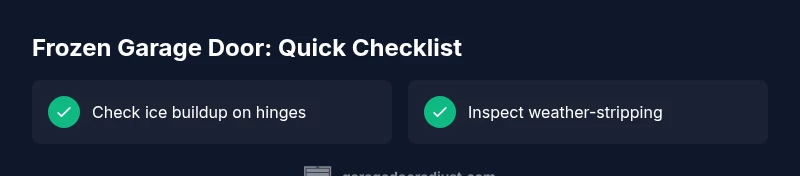
Common spots to check include the bottom weather seal, the track surfaces, the rollers, and the torsion springs (without attempting to adjust springs yourself). If you notice rust or cracking, or if the door moves unevenly when unsupported, stop and assess before proceeding. The risk of additional damage is real, so proceed with caution.
During winter, many homeowners see a pattern: after a cold night, the door might be hard to budge, and thawing takes longer than expected. The presence of ice in the track reduces clearance and can pin the roller against the side rails. In some cases, small obstructions such as packed snow near the door edge or debris in the track can create enough resistance to freeze the door in place. If the door seems to resist moving even after you clear obvious ice, it's time to move to safer methods and prepare for a controlled defrost.
Immediate safety steps before you start thawing
Safety comes first when a garage door is frozen shut. Start by unplugging the garage door opener to prevent automatic movement, and keep curious hands and tools away from the door while you work. Clear the area around the door to avoid slips on ice or snow. If children or pets are nearby, relocate them to a safe space. Do not use metal tools to poke at ice on the edge or track, as this can scratch surfaces and create sharp edges. Wear warm gloves and eye protection in case ice chips break loose. If you notice exposed wiring or a frayed cable near the motor, stop and call a professional—do not attempt to repair electrical components yourself.
Next, assess whether there is visible ice on the hinges, rollers, or track. Small amounts of ice can sometimes be melted with warm towels or a hair dryer set to low heat. Do not apply high heat or direct flame, and never spray hot water onto cold metal. If the door is partially open, use caution to avoid pinching fingers. The goal is to thaw enough to create a safe gap for movement while preserving the door’s hardware.
Early checks you can perform safely
Perform gentle, non-destructive checks before attempting to move the door. Inspect the weather seal at the bottom for ice buildup and wipe away moisture where possible. Look for ice along the track and wipe away any slushy residue. Check that the door has a clear path to roll, freed from snow or ice lodged at the bottom or along the rails. If you can safely access the rollers and tracks, test whether the door slides by hand when the opener is unplugged. If the door still binds after removing obvious ice and debris, proceed to a controlled thaw rather than forcing movement. Remember, the hinges and springs move under extreme tension—do not attempt any adjustment if you are unsure.
What to do if it’s still stuck after initial thaw
If movement remains limited after removing surface ice and debris, pause and re-check safety steps. Sometimes a stubborn ice sheet forms along the bottom panel or inside the track, requiring longer thaw time. At this stage, consider applying a silicone-based lubricant to moving parts once the ice loosens, but only after the metal components are dry. If the door still refuses to budge, or if you hear grinding or see visible damage, stop and call a qualified technician. Forcing the door can lead to costly repairs or injury. A professional can safely defrost, inspect springs, and recalibrate the opener if needed.
Steps
Estimated time: 45-60 minutes
- 1
Ensure safety and prepare the area
Unplug the opener, remove people and pets from the area, and clear ice or snow from the door’s perimeter. Check for obvious hazards and ensure you have warm clothing and gloves. Use a non-conductive tool to probe around the edges if necessary.
Tip: Never touch exposed wiring or attempt electrical repairs yourself. - 2
Inspect the bottom seal and track
Look for ice buildup at the bottom seal and along the track. Wipe away moisture with towels and gently loosen any visible ice with a plastic scraper. Do not use metal tools that could scratch or bend components.
Tip: Keep towels handy to dry surfaces as you thaw. - 3
Thaw and check for movement
Use a hair dryer on low heat to warm the hinges and rollers from a distance, keeping the dryer moving to avoid hot spots. Watch for ice breaking away and test shifting the door by hand if safe. Stop if you hear grinding or feel unusual resistance.
Tip: Direct heat away from sensors and electronics. - 4
Lubricate after thawing
Once movement is restored and metal parts are dry, apply a silicone-based lubricant to hinges, tracks, and rollers. Wipe away any excess to prevent dirt buildup. Do not lubricate torsion springs or cables unless you are trained.
Tip: A small amount goes a long way—over-lubrication can attract dust. - 5
Test operation with care
Reconnect power and test the door’s movement slowly. Listen for unusual sounds and observe how the door glides. If movement is smooth, continue to a light maintenance routine. If it sticks again, call a pro.
Tip: Document any recurring issues for the technician. - 6
Check weather-stripping and seals
Inspect seals for cracks or tears; replacing worn weather-stripping prevents moisture intrusion. Reseal gaps around the frame as needed to restrict cold air entering, which reduces future freezing risk.
Tip: Consider seasonal weather stripping upgrades for longer-term protection. - 7
Return to normal use
Gradually reintroduce normal operation. Monitor for any sticking points during hot and cold swings and observe how the door performs when opening fully. Keep a log of issues and any repairs performed.
Tip: Regular maintenance creates a reliable opening year-round. - 8
Plan preventive maintenance
Schedule periodic inspections of tracks, rollers, weather-stripping, and lubrication. Prepare a winter-ready routine to prevent future freezes, and consider professional servicing annually.
Tip: Set reminders on your calendar for seasonal checks. - 9
Know when to call a pro
If you encounter persistent resistance, unusual noises, or compromised springs, stop and contact a licensed technician. Electrical concerns or high-tension components require professional handling.
Tip: Safety first: never attempt spring or torsion adjustments on your own.
Diagnosis: Garage door is frozen shut
Possible Causes
- highIce buildup on hinges/tracks
- mediumDamaged weather-stripping or seals allowing moisture intrusion
- lowLow lubrication leading to increased friction when cold
Fixes
- easyGently warm metal parts with a hair dryer or warm towels, avoiding direct heat on sensors or electronics
- easyRemove ice with a plastic scraper or wooden tool; avoid metal prying under the door
- easyAfter thawing, apply a light silicone-based lubricant to moving parts
Got Questions?
Why is my garage door frozen shut after a cold night?
Ice forms on metal components and seals when moisture meets freezing temperatures, binding the door. Check for ice on hinges, tracks, and seals, then thaw safely before attempting movement.
Ice forms on metal parts and seals when it’s cold and damp, binding the door. Thaw safely before trying to move it.
Can I thaw the door with a hair dryer?
Yes, on a low heat setting and with the dryer kept in constant motion to avoid hot spots. Do not direct heat at sensors or electronics.
Yes, use a hair dryer on low heat and move it constantly, keeping away from sensors.
Is it safe to use a heat gun or external heater?
No. Heat guns can cause damage or become fire hazards near insulation and seals. Stick to safe warming methods and professional help if needed.
No—heat guns are too intense here. Use gentle warmth and call a pro if needed.
What should I do if the door won’t budge after thawing?
Pause and re-check for hidden ice, debris, or misalignment. If the door remains stuck, avoid forcing it and contact a licensed technician.
If it won’t move after thawing, stop and call a professional.
How can I prevent future freezing?
Replace worn weather-stripping, lubricate moving parts, and schedule seasonal maintenance before winter. Insulate the garage area to reduce temperature swings around the door.
Keep seals in good shape, lubricate regularly, and maintain the door before winter arrives.
Watch Video
Quick Summary
- Identify ice on hinges and tracks before touching the door.
- Never force movement; thaw safely and re-lubricate after movement returns.
- Disconnect power before manual inspection and cleaning.
- Prevent future freezes with weather-stripping and regular maintenance.