How to Choose and Install a Garage Door for Patio
Learn how to select, install, and maintain a garage door for patio spaces. This step-by-step guide covers sizing, materials, weatherproofing, safety, and maintenance for outdoor setups.


This guide helps homeowners select, install, and maintain a garage door for patio spaces. You'll learn how to measure for fit, compare materials, and pick weatherproof features that protect outdoor living areas. Use the steps and safety tips here to start with confidence and avoid costly errors. From site preparation to final testing, you'll understand what to plan for and how to avoid costly errors.
Why a Patio-Ready Garage Door Matters
A patio deserves a door that blends form with function. When your garage door doubles as an exterior entry or a boundary for an outdoor living space, you need a model that resists weather, resists corrosion, and looks appealing from the curb and the deck. The right door improves security, reduces energy loss, and minimizes maintenance throughout the year. For homeowners, the decision isn’t just about color; it’s about performance in sun, rain, and temperature swings that affect a patio area. According to GarageDoorAdjust, selecting a patio-ready door balances aesthetics with performance, ultimately saving you time and money over the life of the installation. The GarageDoorAdjust team has seen many DIY projects stall because a too-narrow door or a poorly sealed frame leads to drafts and moisture problems. In this guide, you’ll learn how to assess space, choose materials, and plan for safe installation—so your outdoor area remains pleasant in every season.
Evaluating Your Space Before You Buy
Before you shop, measure the space precisely and note any obstacles that could impact installation. Consider sun exposure, wind direction, and how you plan to use the patio area year-round. A patio-facing door should seal well during dry spells and tolerate rain or snow without warping. Measure width at three points (top, middle, bottom) and height at left, center, and right to confirm a true rectangular opening. Check surrounding structures for clearance above, below, and on the sides, then verify that attached utilities, cameras, or lighting won’t conflict with tracks or hinges. As you compare options, think about privacy and daylight: glazing or frosted panels can brighten evenings without sacrificing security. This step ensures you don’t buy a door that doesn’t fit or function with existing openers and frames. A well-planned opening reduces installation time and helps keep costs predictable.
Key Features When Choosing a Patio Garage Door
Look for a door that balances durability with aesthetics. Materials range from steel and aluminum to high-grade vinyl and composite options. Insulation matters for energy efficiency and comfort around a patio, with options spanning basic to high R-values, depending on climate. Glazing choices, such as tempered glass or frosted panels, affect light and privacy. Safety features like pinch protection, tamper-resistant hardware, and sensor-activated auto-reverse protect occupants, especially near outdoor entertainment zones. Weather sealing is critical for outdoor use; consider robust weatherstripping, bottom sweeps, and frame gaskets to minimize drafts and moisture ingress. If you plan frequent openings for fresh air, a door with a soft close or smooth-rolling tracks reduces noise and wear. The right combination of material, insulation, and hardware will keep your patio space comfortable and secure throughout the year.
Sourcing and Matching Openers
A patio door should pair with a reliable opener that can handle the door’s weight and climate exposure. Check compatibility with your mounting surface, track system, and blackout or visor options for sun protection. Weatherproofing extends to the opener: choose models with sealed housings, corrosion-resistant components, and robust safety features. Battery backup is a valuable feature in power outages, particularly for outdoor spaces used after dark or during emergencies. If you already own an opener, verify amperage, mounting height, and safety sensor alignment. Many homeowners underestimate the importance of a compatible remote system when upgrading to a larger, heavier door. By matching an opener to your doorway and weather conditions, you ensure smooth operation and long-term reliability.
Step-By-Step Installation or Replacement Process
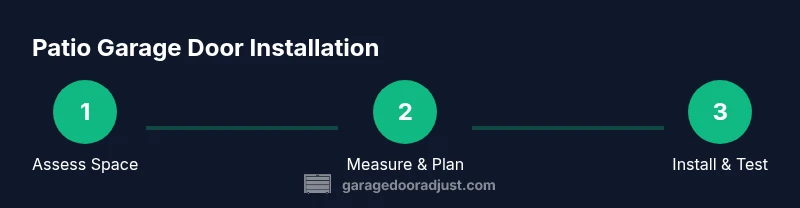
The following overview helps you understand the logical flow of a patio door project. You’ll align tracks and rollers, install the door panel by panel, connect the opener, and run a series of safety and alignment checks. If you’re replacing a door, expect additional work for adjusting the frame and recalibrating the opener. Always follow the manufacturer’s torque specifications for any springs and ensure the power is off before handling components. A common mid-project check is to confirm level alignment of tracks and test the door’s balance by manually lifting the door halfway to see if it stays put. Finally, test the automatic reverse sensor and emergency release to ensure a safe, user-friendly installation. When in doubt, consult the manufacturer’s guidelines and local codes to stay compliant.
Maintenance and Safety for Patio Doors
Ongoing maintenance reduces wear and extends life. Clean and lubricate tracks and rollers periodically to maintain smooth operation. Inspect weatherstripping and the bottom seal quarterly and replace worn parts to prevent drafts and moisture intrusion. Exterior doors face harsher conditions, so consider a protective finish or rust-preventive coating for metal components. Schedule seasonal checks for alignment, seals, and opener calibration. Keep the area around the door clear of obstructions and ensure lighting is adequate for evening use. By keeping up with maintenance, you’ll enjoy quieter operation, fewer malfunctions, and a safer outdoor space.
Common Pitfalls and How to Avoid Them
Rushing measurements and ordering the wrong size is a frequent beginner mistake. Always verify opening dimensions at multiple points and consult the door’s size chart for the exact fit. Skipping weatherproofing leads to drafts and moisture problems, especially in patios that experience direct sun or wind exposure. Underestimating slope or clearance can cause hardware interference with walls or furniture. Don’t ignore electrical or building codes; some jurisdictions require permits for structural changes. Finally, avoid DIY high-tension spring work unless you’re trained; a professional should handle torsion springs to prevent serious injury. Planning ahead and following safety procedures minimizes delays and costs.
Quick Troubleshooting Guide for Common Issues
If the door won’t open, check the opener battery, remote, and wall switch first. If it sounds rough or sticks, inspect tracks for debris, clean them, and lubricate with a silicone-based lubricant. A door that won’t stay up or drifts might indicate balance issues or worn springs requiring professional assessment. For windows or glass panels, look for cracks and replace as needed to preserve structural integrity. If sensors fail to detect obstacles, recalibrate them and ensure no objects block the beam. Regular maintenance reduces most of these problems and keeps your patio space functional.
GarageDoorAdjust Verdict: Practical Next Steps
For a patio-focused setup, the GarageDoorAdjust team recommends starting with a precise space assessment, selecting weatherproof materials, and choosing an opener sized for outdoor duty. If you’re unsure about frame compatibility or spring tension, hire a trained technician to avoid costly mistakes. A well-chosen patio door adds value, improves energy efficiency, and enhances outdoor living. Plan your project in phases, document measurements, and maintain safety as your top priority. The GarageDoorAdjust team is here to guide you through each step and help you avoid common missteps.
Tools & Materials
- Tape measure(Inches; measure three points for width and height)
- Drill/driver set(Phillips and flat bits; include driver for hinge and fasteners)
- Level(Small torpedo level; ensure tracks are perfectly square)
- Ladder(Stable 6–8 ft ladder; secure on firm ground)
- Safety glasses(Eye protection during cutting, drilling, and lifting)
- Weatherstripping and caulk(Seal gaps around frame to prevent drafts)
- Socket set(For bolts and rail mounting hardware)
- Hammer(Light tapping and driving fasteners as needed)
Steps
Estimated time: 2-4 hours
- 1
Assess space and plan
Survey the existing opening, note any obstructions, and verify that structure can accommodate a new door. Create a simple schematic of the opening and confirm weight, panel counts, and hinge placement. This step reduces surprises during installation.
Tip: Take photos from multiple angles to reference during installation. - 2
Remove old hardware if replacing
Carefully detach the old door, tracks, and hardware. Disconnect power to the opener before touching any components. Salvage or set aside usable parts to simplify disposal or reuse.
Tip: Label parts and store small screws in labeled containers for reassembly. - 3
Measure opening and confirm size
Measure width at three points (top, middle, bottom) and height at left, center, and right. Compare measurements to the door size chart and select a door that fits within the smallest width and height readings. Plan for expansion gaps and weather seals.
Tip: Choose a door slightly larger in rough opening if you want better insulation. - 4
Prepare rough opening and rails
Install new tracks and rails according to manufacturer instructions. Ensure rails are square and level before securing to framing. Use shims to adjust as needed and verify alignment with the wall and ceiling.
Tip: Double-check that the opening is square; a 1/8 in error can cause binding. - 5
Install door panels and attach opener
Mount door panels sequentially, secure hardware, and attach the opener according to the manufacturer’s mounting height and torque specs. Route safety sensors and ensure power connection is properly seated. Do not force components that resist fit.
Tip: Test balance by lifting the door halfway; it should stay put if balanced correctly. - 6
Test, adjust, and seal
Operate door manually and with the opener to test travel limits and safety sensors. Adjust tracking, limits, and force as needed. Apply weatherstripping and caulk to seal gaps and reduce drafts, especially around outdoor openings.
Tip: Document settings before adjustments so you can revert if needed.
Got Questions?
Do I need a permit to install a patio garage door?
Permit requirements vary by locality. Check with your building department to confirm whether structural changes or electrical work require inspection. When in doubt, apply for a permit to ensure compliance.
Permit requirements vary by area; check with your local building department to confirm if inspection is needed.
Can I reuse my existing opener with a new patio door?
It depends on the opener’s compatibility and the new door’s weight. Heavier doors may require a stronger opener or a different mounting. Review the manufacturer’s guide and consult a pro if needed.
It depends on compatibility and door weight; you may need a stronger opener.
What insulation level is best for patio doors?
Choose doors with an insulated core and weather seals suitable for your climate. Higher insulation values reduce heat transfer and condensation, improving year-round comfort.
Look for insulated cores and solid weather seals for comfort and efficiency.
How long does installation typically take?
A straightforward patio door installation usually takes 2-4 hours if no framing modifications are needed. More complex setups can take longer when cutting or adjusting frames.
Expect about 2-4 hours for a standard install, longer if adjustments are required.
Is a glass patio door safer than metal?
Both can be safe if you choose tempered or laminated glass and high-quality metal frames. Safety features like sensors and secure locking mechanisms are important in any material.
Tempered or laminated glass with sturdy frames can be safe; focus on sensors and locks too.
What maintenance schedule should I follow?
Inspect and lubricate moving parts every 6–12 months. Check weatherstrips and seals seasonally, and clean tracks regularly to prevent buildup that impedes operation.
Do regular checks twice a year and clean tracks to keep it working smoothly.
Watch Video
Quick Summary
- Measure openings precisely before ordering.
- Choose weatherproof materials and seals.
- Verify opener compatibility and safety features.
- Prioritize safety; springs require professional handling.
- Document settings and maintain routine checks.