Garage Door for Carport: A Homeowner's Step-by-Step Guide
Learn how to choose, measure, install, and maintain a garage door for a carport. This comprehensive, expert guide covers sizing, materials, weatherproofing, safety, and practical troubleshooting for homeowners.


Goal: choose and install a durable garage door for a carport, with proper sizing, weatherproofing, and safe operation. This guide covers measuring the opening, selecting materials, addressing wind loads, and completing a safe installation or retrofit. Follow the steps to improve security, energy efficiency, and curb appeal. This article is designed for homeowners with DIY experience and will emphasize safety.
Why a Carport Garage Door Needs Special Considerations
A carport is exposed to sun, wind, rain, and sometimes snow. When you convert or enclose half of a carport with a door, you create a space that acts like a small, unenclosed garage. Choosing the right garage door for a carport means accounting for weather exposure, wind loads, and the need for reliable sealing. The opening may be wider or shallower than a standard garage, and the surrounding structure may not be built to house a heavy door or spring system. In practice, homeowners should aim for a door that balances durability, insulation, and ease of use. Consider wind-rated panels, UV-resistant coatings, and weather-stripping that reduces drafts. In addition, match the door’s hardware to local building codes and ensure that safety features such as photoelectric sensors are included if you plan to open the space with an automatic opener. This article treats the carport as a transition space: it must protect vehicles while still offering energy efficiency and weather protection. The topic of garage door for a carport is broader than many people realize, because the right door choice can influence heating and cooling, pest control, and curb appeal. According to GarageDoorAdjust, selecting the appropriate door type at the outset saves time and reduces costly retrofits later.
Key Differences Between Carport Doors and Enclosed Garage Doors
Carport doors often face harsher exposure than fully enclosed garage doors. They may be installed in partially open structures, increasing wind uplift risks and thermal cycling. Look for panels rated for outdoor exposure, superior weatherstripping, and fasteners designed to resist corrosion in humid or salty environments. A carport door should still provide security and insulation, but it might prioritize ventilation or ease of access if the space remains partially open. Choosing the right balance between insulation, weight, and wind resistance will help you avoid drafts and heat transfer while maintaining reliable operation. GarageDoorAdjust emphasizes wind load compliance and energy efficiency when evaluating options for a carport door, noting that the wrong choice can lead to higher cooling costs and faster wear on moving parts.
Sizing and Fit: How to Measure Your Carport Opening
Accurate measurements are critical when selecting a garage door for a carport. Start by measuring the width and height of the opening at three points: left, center, and right for width; top, middle, and bottom for height. Record the largest width and the largest height found, and use those dimensions to select a door with a compatible opening minus the required track space. Don’t forget to measure the clearance above the door, the side room for tracks, and any obstructions like lighting fixtures or outlets. If the current frame isn’t plumb, note the irregularities and discuss with the supplier whether a custom-fit panel or a widening/boxing kit is needed. Finally, check local codes for minimum headroom and wall clearance requirements and consider consulting a pro if the opening isn’t true, as uneven openings can complicate installation and affect safety.
Door Options for Carports: Panels, Materials, and Insulation
Door panels come in steel, aluminum, wood, and composite options. For a carport, you may prioritize corrosion resistance and low maintenance, with insulated panels offering improved energy efficiency and temperature control. Some homeowners prefer aluminum or steel for durability, while others opt for wood for aesthetics. Consider wind-rated options, impact-resistant coatings, and appropriate insulation (R-value) to reduce heat exchange. Panels with good weatherstripping seal out drafts and moisture, which is essential in exposed carport environments. If you live in a high-wind area, select a door designed to meet local wind codes and install heavy-duty tracks and anchors to maintain performance under gusts. A well-chosen door for a carport should balance durability, insulation, and curb appeal while staying within budget and local regulations.
Install or Retrofit: Loading, Tracks, and Rails
Installing a carport door requires careful handling of heavy components. Start by removing existing hardware and ensuring the opening is clean and square. Install the tracks level and plumb, then mount the door panels following the manufacturer’s instructions. If your setup uses torsion or extension springs, note that spring work is hazardous and often requires a licensed professional. Attach the opener only after verifying that safety features, such as photoelectric sensors and auto-reverse, function correctly. For retrofits, confirm compatibility with current structural framing and ensure you have adequate space to operate the door. Always use proper lifting techniques and secure the door during any step that involves balancing weight. GarageDoorAdjust recommends prioritizing safety and adhering to manufacturer guidelines when handling tracks, springs, and cables.
Safety, Codes, and Permits You Should Check
A door for a carport may require permits or inspections depending on location and whether you’re enclosing a space previously used as open patio. Check with your city or county building department for permit requirements, and verify that the door meets applicable wind load and insulation standards. Install safety devices and ensure that garage door opener features, such as auto-reverse and photoelectric sensors, comply with local codes. If you’re converting a carport into a sheltered garage, ensure proper flame-spread ratings for the door material if required by code. Keeping up with code requirements reduces the risk of fines and ensures your installation is eligible for insurance coverage. GarageDoorAdjust’s team emphasizes proactive code checks before purchase or installation to prevent delays and comply with safety standards.
How to Maintain a Carport Garage Door
Regular maintenance extends the life of a carport door and its opener. Lubricate moving parts monthly with a silicone-based lubricant, inspect weatherstripping for cracks, and replace damaged seals promptly. Check tracks for debris and corrosion, tighten loose brackets, and test the reverse safety function on the opener monthly. Clean the door surface and address any coating wear or rust spots to prevent further damage. Keeping a maintenance log helps identify patterns and schedule professional inspections when needed. According to GarageDoorAdjust, routine upkeep reduces unexpected failures and keeps the door operating smoothly in exposure-prone environments.
Tools & Materials
- Tape measure(Minimum 3 meters for large openings)
- Stepladder(Stable platform to reach tracks)
- Cordless drill/driver(Phoenix drill with appropriate bits)
- Screwdriver set (flat and Phillips)(Multiple sizes)
- Level (22-inch or longer)(Ensures tracks are vertical)
- Rubber mallet(Gentle adjustments without damage)
- Caulk gun and weather seal(Seal gaps around opening)
- Safety glasses and gloves(Personal protection)
Steps
Estimated time: 4-6 hours
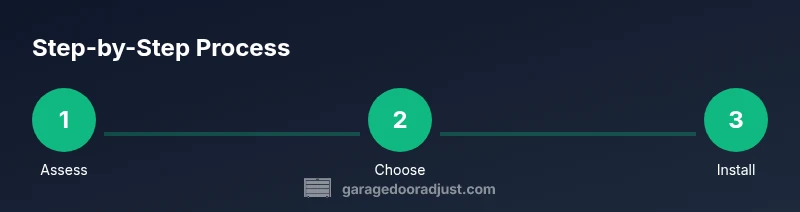
- 1
Assess site and permits
Evaluate the existing opening, surrounding framing, and potential obstacles. Check local codes and permit requirements before purchasing a door. Document any irregularities that could affect installation and plan for professional help if necessary.
Tip: Call your local building department early to confirm permit needs and avoid delays. - 2
Select and order the door
Choose a door that matches the carport opening, wind load requirements, and insulation goals. Confirm compatibility with any existing opener or ensure you’ll install a new opener. Review warranty terms and delivery lead times before placing the order.
Tip: Ask about wind-rated options and corrosion-resistant finishes for outdoor exposure. - 3
Prepare the opening
Remove any old hardware and clean the opening. Check framing for plumb and square; plan any shims or adjustments to correct deviations. Establish a clean, dry workspace before lifting heavy components.
Tip: Have a second person assist with lifting panels to prevent strains or drops. - 4
Install tracks and rails
Mount vertical tracks first, ensuring they are perfectly plumb. Attach horizontal tracks and cross braces as required by the manufacturer. Use a level and clamps to keep sections aligned during assembly.
Tip: Double-check alignment before securing with fasteners; small misalignments amplify wear later. - 5
Mount panels and hardware
Assemble door panels per instructions and connect hinges, rollers, and rollers carriers. If springs are involved, consult a professional—do not attempt to adjust or replace torsion springs yourself. Attach rollers to tracks and secure all fasteners snugly.
Tip: Maintain a safe distance and avoid stand-under when lifting doors during assembly. - 6
Install opener and test operation
If using an automatic opener, connect it and program the remote(s). Test opening/closing in full, with and without the vehicle present in the carport. Check auto-reverse and photoelectric sensors for proper function.
Tip: Run multiple cycles in both directions to ensure safety features engage consistently. - 7
Final safety checks and adjustments
Inspect weather seals and adjust tension as needed. Verify that wiring, limit switches, and safety eyes are properly installed. Record serial numbers, maintenance dates, and any warranty details.
Tip: Keep a maintenance log and schedule annual inspections by a professional if local codes require it.
Got Questions?
Do I need a different door for a carport than a standard garage?
Yes. Carport doors face more weather exposure and wind uplift, so select wind-rated, weather-sealed, and insulated options. Consider the open nature of some carports and ensure compatibility with local codes.
Yes. Carport doors have higher exposure to weather and wind, so pick wind-rated, well-sealed options and check local codes.
Can I install a carport door myself?
You can handle many components, such as sizing and track mounting, but springs should be installed or adjusted by a licensed professional. Use proper safety gear and follow the manufacturer’s instructions closely.
You can DIY many steps, but springs should be handled by a pro. Always follow safety guidelines.
What permits or codes apply to carport doors?
Permits vary by location. Check with your city for building permits, wind-load requirements, and insulation standards. Inspections may be required after installation.
Check local building codes and permits; inspections may be required after installation.
What factors affect the cost of a carport door?
Costs depend on door material, insulation level, wind rating, and whether a new opener is included. Prices vary by region and installation complexity.
Cost varies by material, insulation, wind rating, and whether an opener is included.
What maintenance is required for a carport door?
Lubricate moving parts, inspect weatherstripping, check tracks, and test safety features regularly. Document maintenance actions for reference.
Lubricate parts, check seals and tracks, and test safety features regularly.
Is an automatic opener suitable for a carport?
An opener can be suitable if the carport is enclosed and code-compliant. Ensure sensors and safety features are installed, and avoid heavy or undersized openers for larger openings.
An opener can work well if the space is enclosed and code-compliant; ensure safety sensors are installed.
How long does installation typically take?
Most installations take several hours, depending on opening size and whether components like springs require professional service. Plan for a full day if you’re new to door installs.
Usually a few hours, maybe a full day if springs or large parts are involved.
Watch Video
Quick Summary
- Measure openings precisely before ordering.
- Prioritize wind-rated, insulated panels for carport exposure.
- Avoid DIY springs; hire a pro for spring work.
- Seal gaps with weatherstripping to improve efficiency.
- Test safety features and document maintenance.