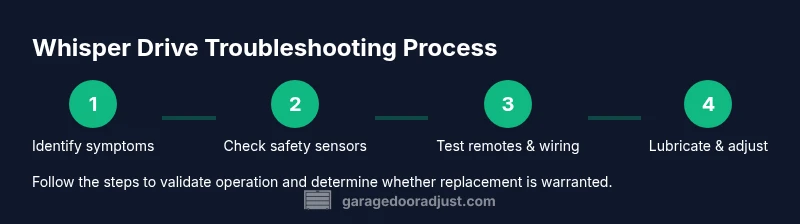
Chamberlain Whisper Drive Troubleshooting and Repair Guide
A comprehensive, homeowner-friendly guide to diagnosing, repairing, and maintaining a Chamberlain Whisper Drive garage door opener. Learn safe practices, common symptoms, and proven fixes to get your opener running smoothly again.


You will learn how to diagnose and fix common issues with the chamberlain whisper drive garage door opener, including remote pairing, sensor alignment, and motor problems. This guide covers safety steps, required tools, and a clear plan to get your opener running again. Whether you're new to DIY repairs or just missing a manual, this concise overview highlights the essential steps you need to take before you dive into the hands-on work.
Understanding the Chamberlain Whisper Drive: How It Works
The chamberlain whisper drive is designed to move your garage door with a balance of power and quiet operation. At its core, the system includes a motor, a drive mechanism (belt or chain, depending on the model), a control panel, wall-mounted switch, and safety sensors near the door tracks. The remote control communicates a code to the opener, triggering the motor to lift or lower the door and stop when the sensors detect an obstacle. For homeowners, the key to troubleshooting is understanding that most malfunctions fall into a few categories: power supply issues, remote/pairing problems, sensor misalignment, drive mechanism wear, and control hardware failures. When diagnosing a chamberlain whisper drive, start with the basics and then verify the more complex interactions. Regular maintenance, such as Lubrication and track cleaning, helps prevent a wide range of issues and preserves the long-term reliability of the system.
When you hear odd noises or see the door hesitate, the chamberlain whisper drive system may be signaling a safety or alignment issue rather than a failed motor. The Whisper Drive family is widely favored by homeowners for its relatively easy installation and quiet operation, but it still benefits from a mindful maintenance routine. In this guide, you’ll learn checks you can perform safely at home, plus clear indicators that point to professional service when needed. By following a structured approach, you can salvage an otherwise functional opener and minimize downtime. GarageDoorAdjust’s guidance emphasizes practical, do-it-yourself steps grounded in common-sense safety practices.
As you read, keep in mind that the chamberlain whisper drive can be sensitive to misaligned sensors, loose wiring, and worn drive components. Address these areas first before considering more extensive repairs. If a part appears damaged or you’re unsure about a step, consult a professional. The objective is to restore safe, reliable operation without compromising the door’s balance or the system’s safety features.
Common Symptoms and What They Mean
Chamberlain Whisper Drive openers present a range of symptoms when something is amiss. Common issues include the opener not responding to the remote or wall switch, the door moving slowly or stopping partway, the door reversing during closing, or the opener producing unusual noises like grinding or squeaking. In many cases, the root cause isn’t the motor itself but peripheral components such as safety sensors, circuit boards, or loose wiring. A non-responsive remote can indicate a pairing issue or dead batteries, while a blinking LED on the opener often signals a diagnostic code. Misalignment of safety sensors commonly causes doors to automatically reverse or stop before closing. By following a systematic symptom checklist, homeowners can isolate the likely cause without disassembling critical parts.
For those troubleshooting a chamberlain whisper drive, it’s important to document observed symptoms, perform a few non-destructive tests, and rule out simple culprits first—like batteries, remote codes, and sensor clearances. If you notice the door moving unevenly, binding, or creating loud noises, inspect the track alignment and the drive component for wear. Remember that even minor misalignment can trigger the safety systems and interrupt normal operation. GarageDoorAdjust notes that most common failures are linked to sensors, remotes, wiring, or lubrication, not outright motor failure. When symptoms persist after basic checks, it’s wise to proceed with the full diagnostic path outlined in this guide and consult a professional for more complex service.
Safety First: Essential Precautions Before You Start
Safety is paramount when working with garage door openers. Always disconnect power to the chamberlain whisper drive before inspecting any electrical components. If you’re working on the door itself or near torsion springs, avoid attempting to relieve tension yourself unless you’re trained. Use a sturdy ladder, wear eye protection, and keep children and pets away from the work area. When you test or adjust sensors, ensure you’re standing to the side, not in the direct path of the door. Do not bypass safety features or disable the auto-reverse mechanism; these safeguards are there to prevent injury. If you’re uncertain about any step, pause and seek professional help. The goal is to minimize risk while you identify root causes and perform safe, reversible adjustments.
Diagnostic Checklist: Tools, Tests, and Quick Fixes
Before you touch the chamberlain whisper drive, gather essential tools and perform a structured test sequence. Start with a quick visual inspection: look for loose wires, damaged plugs, or corroded connectors. Check the safety sensors by cleaning the lens surfaces and ensuring they point toward each other with a direct line of sight. Confirm the remote and wall switch operate on a known good battery and are properly paired with the opener. If the door moves but stalls or reverses, measure the track alignment and door balance by lifting it manually with the opener disengaged. Listen for abnormal motor noises and verify that the drive belt or chain is intact and properly tensioned. If you identify a simple misalignment or loose connection, re-seat connectors and re-test before replacing any parts. Always re-engage power only after you’ve completed the checks and are ready to test the system.
When to Repair vs Replace: Understanding Limits
Not every malfunction with a chamberlain whisper drive signals an opportunity for DIY repair. If the issue involves torsion springs, structural tracks, or a suspected motor failure under load, safety becomes a critical concern and professional intervention is advised. Sensor misalignment, poor remote pairing, or a loose wire are typically addressable with basic tools and careful reassembly. If your unit is older than 10-15 years and requires frequent part replacements or shows signs of inconsistent performance (random resets, intermittent operation), it may be time to consider a replacement rather than ongoing repairs. GarageDoorAdjust emphasizes weighing the cost and risk of continuous DIY fixes against the benefits and reliability of a newer model.
Maintenance and Longevity: Quick Routines for a Whisper Drive
Regular maintenance makes a big difference in keeping a chamberlain whisper drive quiet and dependable. Schedule a simple monthly check that includes testing safety sensors, ensuring remote batteries are fresh, and inspecting tracks for debris. Lubricate moving parts with a silicone-based lubricant designed for garage doors, applying a thin, even coat to hinges, rollers, and tracks. Avoid over-lubrication, which can attract dust and create buildup that hampers movement. Clean the sensor lenses with a soft, dry cloth and verify the alignment if you notice a change in performance. Finally, keep the exterior and interior components free of moisture and corrosion by wiping down the unit and securing it away from direct exposure to rain. This routine helps the chamberlain whisper drive maintain its quiet operation and reliability over time.
Tools & Materials
- Flathead screwdriver(Sized for both panel screws and small terminals)
- Phillips screwdriver(Medium size #2 is common)
- Needle-nose pliers(Grip wires and adjust small fittings)
- Multimeter or voltage tester(For testing wiring with power off)
- Lubricant - silicone-based(Used on tracks, hinges, and rollers)
- Rag or microfiber cloth(Clean sensors and surfaces)
- Step ladder(Safe access to the opener and track area)
- Batteries for remotes(Test and replace as needed)
- Tape measure or ruler(Check track and door alignment if needed)
Steps
Estimated time: 60-90 minutes
- 1
Power down and verify safety
Begin by disconnecting power to the chamberlain whisper drive from the outlet or disconnecting the circuit from the breaker box. This prevents unexpected operation while you inspect electrical connections. If your opener is hard-wired, unplug the device and set the remote aside to avoid accidental signaling.
Tip: Always keep a clear, dry area around the unit and wear eye protection when working near moving parts. - 2
Check door balance manually
With the door closed and the opener disengaged, raise the door by hand to about mid-range. The door should stay in place with minimal effort and not drift up or down. If the door drops or rises on its own, there may be a balance or spring issue requiring professional service.
Tip: If the door is heavy or feels out of balance, stop and consult a pro rather than forcing movement. - 3
Inspect safety sensors and wiring
Examine the safety sensors at the bottom of the door tracks. Clean the lens surfaces with a dry cloth, ensure the sensors face each other directly, and look for loose or damaged wires. Re-seat any loose connectors and test the door by closing it from the wall control to observe sensor response.
Tip: Avoid bypassing sensors; misalignment can cause the opener to fail to close or to reverse unexpectedly. - 4
Test remote controls and wall switch
Check remote batteries and re-pair the remotes with the opener if necessary. Also verify the wall switch operates correctly and is not obstructed by paint or debris. If remotes fail intermittently, re-pairing often resolves the issue.
Tip: Keep extra batteries on hand and label remotes for quick identification. - 5
Evaluate drive mechanism and tracks
Inspect the drive belt or chain for wear, slack, or damage. Examine tracks for obstructions, dirt buildup, or misalignment that could hinder smooth movement. If you notice wear, plan for replacement or professional service.
Tip: Never operate the unit with a visibly damaged belt or chain; it can fail abruptly and cause injury. - 6
Adjust travel limits and force
If the door stops short of fully closing or opening, consult the opener’s manual to locate the travel limit adjustment. Make small adjustments and test the door repeatedly. Return settings to their original values if any test causes abnormal behavior.
Tip: Document the original settings before making changes so you can revert if needed. - 7
Lubricate moving parts
Apply a thin layer of silicone-based lubricant to hinges, rollers, tracks, and any other moving contact surfaces. Wipe away excess to prevent dust and debris buildup. Lubrication helps reduce noise and improves overall movement.
Tip: Only use silicone-based products labeled safe for garage doors; avoid oil-based lubricants on tracks. - 8
Reconnect power and perform final test
Restore power to the opener and run a full door cycle using the wall control and remote, observing for smooth operation and proper sensing. Listen for abnormal noises and watch for any unexpected door movement. If issues persist, escalate to a professional check.
Tip: Test multiple times to ensure consistent performance across different control methods.
Got Questions?
Why won't my Chamberlain Whisper Drive respond to the remote?
Common causes include dead batteries, a missed pairing, or interference. Start with new batteries, re-pair the remote to the opener, and ensure there are no nearby devices causing interference. If the problem persists, inspect the receiver wiring for damage.
If your remote isn’t working, replace the batteries first, re-pair the remote, and check for interference. If issues continue, inspect receiver wiring for damage and consider professional help.
How do I re-pair a remote with the Whisper Drive?
Follow the Chamberlain pairing procedure: unplug or reset the opener, press the learn button on the receiver, then press the remote control button within a few seconds. Return power and test to verify operation.
To pair, reset the opener, press the learn button, then press the remote control button quickly. Test to confirm it works.
What are signs sensors are misaligned?
If the door reverses when closing or fails to close fully, it can indicate sensor misalignment. Clean the lenses, ensure they point at each other, and adjust height or angle until the beam is uninterrupted.
Signs include reversing at the door and failure to close. Clean and align the sensors, then test again.
Is it safe to lubricate the tracks and rollers?
Yes, use a silicone-based lubricant and apply sparingly to rollers, hinges, and contact points. Do not spray lubricant directly into the track or chain excessively. Wipe away any excess to prevent dust buildup.
Lubricate sparingly with silicone-based product on moving parts, not the track interior. Wipe off excess.
When should I replace the opener rather than repair it?
If the unit is older, frequently failing, or requires costly component replacements, replacement may be more cost-effective and safer. Consider evaluating total repair cost versus a newer model’s reliability and energy efficiency.
If failure is recurring or repairs exceed the cost of a new unit, replacement might be the better option.
Can I install a Whisper Drive opener myself?
Basic installation is possible for those with mechanical aptitude and the right tools, but missteps can create safety risks. If you’re unsure about wiring, track alignment, or spring components, hire a pro for safety.
DIY installation is possible but risky if you’re not confident about wiring and balancing the door.
Watch Video
Quick Summary
- Identify symptoms to narrow root causes quickly
- Prioritize sensor alignment and remote pairing before motor repairs
- Always safety-check power and springs before testing
- Use silicone lubricant on moving parts, not on tracks excessively
- When in doubt, consult a pro to avoid further damage