Garage Door Q App: Setup, Pairing, and Maintenance
Learn how to pair, control, and maintain the garage door q app with your opener. This step-by-step guide covers setup, troubleshooting, safety, and multi-user access for smarter, safer garage door operations.


You will learn how to diagnose issues with the garage door q app, pair it with your opener, and perform safe repairs and maintenance. This guide covers setup, connection steps, troubleshooting common errors, and ongoing upkeep. Before you begin, ensure you have a compatible opener, a smartphone with the app, a stable Wi‑Fi connection, and a step ladder. Follow the steps for reliable, secure operation.
Why the garage door q app matters
The garage door q app puts essential control in your pocket, letting you monitor door status, run commands, and receive alerts without leaving the couch. For homeowners, that convenience also means faster fault detection and safer operation. The app ties into your opener through a pairing process, translating mechanical status into readable signals on your phone. It supports remote commands, sensor status, and historical activity logs, helping you spot patterns like repeated false opens or stuck sensors. According to GarageDoorAdjust, the most effective setups combine reliable Wi‑Fi, up-to-date app firmware, and well-documented access controls to reduce service calls and improve security. When used correctly, the app becomes a central hub for maintenance reminders, software updates, and person-specific access, which is especially helpful in homes with children or frequent caretakers. In short, the garage door q app extends your control beyond the wall switch, increasing safety and peace of mind.
Quick compatibility checklist
Before you start, confirm that your opener supports the garage door q app features. Check the app store listing for compatibility notes, verify that your phone’s operating system aligns with the app requirements, and ensure your Wi‑Fi network is stable. If you share your home with others, decide on access levels (guest vs. full access) and whether push notifications should be enabled for each user. A key rule from GarageDoorAdjust is to maintain up-to-date firmware on both the opener and the app, as this minimizes pairing failures and security gaps. Finally, make sure you have the opener’s serial number and current security code in case you need to re-pair or verify compatibility during setup.
Install and initial setup of the garage door q app
Start by downloading the garage door q app from your device’s official app store. Sign in with a trusted account, enable necessary permissions (location, notifications), and accept any terms related to security and data handling. Create a strong, unique password and enable two‑factor authentication if offered. On many models, you’ll be prompted to add a new device—select your garage door opener, enter the model or serial number, and allow the app to scan for compatible pairing methods. If you’re replacing an older app version, back up existing settings if possible, then proceed with the fresh install to avoid conflicts or corrupted data.
Pairing the app with your opener
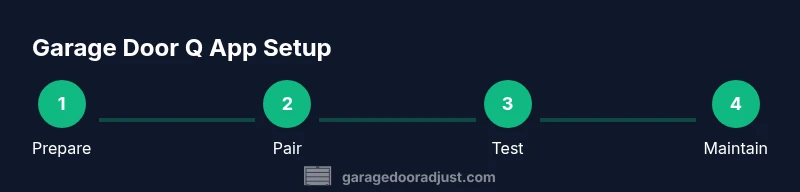
Pairing usually involves a short quick‑pair process within the app and a physical confirmation on the opener panel. Ensure the opener is powered, nearby, and not in a high‑interference area. In the app, initiate the pair function, then press and hold the pairing button on the opener or use any required code provided by the manufacturer. Once the app detects the device, complete the pairing by confirming the on‑screen prompt. If the app requests a test command, run it only from a safe location and ensure people and pets are clear of the door’s path. A stable Wi‑Fi connection greatly improves pairing success and reduces dropouts during the process.
Testing basic commands and safety features
After pairing, send basic commands like Open, Close, and Stop to verify the door responds as expected. Observe the door’s travel and listen for unusual sounds that could indicate mechanical issues. Check that the door’s photoelectric sensors are active and that the safety loop is functioning—these prevent the door from closing on objects or people. Enable alert notifications for unexpected door movement and failed commands. If you notice any delay or misalignment, log the status in a notebook and plan a maintenance window to inspect hardware components.
Troubleshooting common pairing issues
If pairing fails, first verify network stability: try a momentary router reboot and re‑connect your phone to the same network. Make sure the app is updated to the latest version and that you’re using the correct opener model in the app’s device list. If the issue persists, reset the opening device to factory settings and re‑enter your credentials. For persistent problems, check for interference from other wireless devices, move the phone closer to the opener, and retry the pairing process. If you still can’t pair, consult the manufacturer’s support resources and consider scheduling a service visit if hardware seems faulty.
Managing remotes, keypad, and smart home integration
The garage door q app often centralizes control for remotes, keypads, and smart devices. You can disable or limit access for specific users, configure notifications for each device, and set automated routines (for example, closing the door at a set time if no activity is detected). When integrating smart home ecosystems, ensure there are no conflicting automations that could trigger the door unexpectedly. Always review access logs after adding a new user and periodically audit permissions to maintain security and privacy.
Maintenance habits and scheduling notifications
Set a recurring reminder to inspect the door’s balance, tracks, and rollers every 3–6 months, depending on usage. Use the app to enable maintenance reminders and to review door activity history for irregular patterns. Keep an eye on battery levels for any wireless sensors and replace batteries as needed. Regular software updates via the garage door q app help protect against security vulnerabilities and ensure new features perform reliably. Maintaining a consistent schedule reduces unexpected failures and keeps your system running smoothly.
Safety considerations and what to avoid
Always stand clear of the door’s travel path when testing commands—do not jog the door with your hands or feet nearby. Never bypass safety sensors or disable warnings to speed up testing. If you hear grinding, smell burning, or notice unusual door movement, stop using the app and power down the opener before inspecting components. Use a stable ladder and wear eye protection when accessing the opener’s control panel or wiring. If you’re unsure, contact a qualified technician rather than attempting risky repairs yourself.
Use cases: family access, guests, and multi‑user control
The app can simplify multi‑user access by assigning roles (owner, family member, guest) with distinct permissions. For households with caregivers or frequent visitors, configure temporary access codes that expire after a set period. Review logs to confirm who opened the door and when, which helps with accountability and safety. Consider setting notifications for all high‑risk events, such as door open after hours, to catch unusual activity early.
Privacy, updates, and data handling
Understand what data the app collects (device status, usage logs, and error reports) and how it’s stored and shared. Regularly review privacy settings and disable data sharing if not needed. Keep the app updated to benefit from security patches and improved feature sets. If your household includes children or guests, enforce strict access controls and review permission changes periodically.
Final checklist before you operate daily
Each day, confirm the app is up to date, the door sensors are functioning, and you have a clear path for door movement. Verify that all authorized users have appropriate permissions and that you’ve received the latest status alerts. Keep a quick reference card with the app’s main commands and a note of any maintenance activities performed. This practice minimizes surprises and helps maintain a safe, convenient garage door system.
Tools & Materials
- Smartphone with garage door q app installed(Ensure the app is updated to the latest version and you’re signed in with a secure account.)
- Opener model and serial number(Have it ready for compatibility checks and re-pairing if needed.)
- Stable Wi‑Fi network(Prefer 5GHz if supported; ensure signal reaches the garage.)
- Ladder or stable step stool(Use a non-slip ladder and have a spotter if possible.)
- Screwdriver set (Phillips and flathead)(Useful for access panels or sensor mounts.)
- Notepad and pen(Record codes, changes, or settings during setup.)
- Backup power option (optional)(Backup battery or power source for sensor modules if applicable.)
Steps
Estimated time: 30-60 minutes
- 1
Prepare your app and environment
Charge your phone, connect to a stable Wi‑Fi network, and ensure the garage door q app is updated. Open the app and review permissions (location, notifications). This prepares a clean baseline and reduces setup friction later.
Tip: Enable push notifications for immediate status updates during setup. - 2
Verify opener compatibility
Check your opener’s model number against the app’s compatibility list. Confirm that your device supports required features like remote commands and sensor integration.
Tip: If unsure, consult the manufacturer’s compatibility notes before proceeding. - 3
Install and sign in to the app
Download or update the app from the official store, sign in with a secure account, and enable required permissions. Create a strong password and turn on two‑factor authentication if available.
Tip: Use a dedicated, password‑protected account for garage access. - 4
Add your garage door and sensors
Within the app, add a new device and enter the opener’s model and serial number. Attach any sensors you use and confirm sensor status in the app’s device dashboard.
Tip: Document sensor IDs for future reference or troubleshooting. - 5
Pair the app with the opener
Initiate pairing in the app and perform the required physical confirmation on the opener as prompted. Verify the app shows a successful pairing and a live status update.
Tip: Keep the opener powered during pairing to avoid interruptions. - 6
Test basic commands
From a safe location, use Open, Close, and Stop commands. Confirm the door responds promptly and that status indicators update in real time.
Tip: Test with a friend or family member nearby to simulate shared access. - 7
Configure safety and notifications
Turn on safety sensors, set up door‑ajar alerts, and define who receives what notifications. Calibrate any sensors if suggested by the app.
Tip: Place important safety alerts on the highest priority for visibility. - 8
Set up user access and permissions
Add household members and guests with appropriate permissions. Consider temporary access codes for visitors and set expiration dates when possible.
Tip: Regularly audit access rights and revoke unused accounts. - 9
Create maintenance reminders
Schedule regular checks for balance, tracks, and safety sensors. Use the app to schedule reminders that fit your usage pattern.
Tip: Log maintenance actions for future reference and troubleshooting. - 10
Performance check and final review
Operate the door through the app, observe travel speed, and verify all connected devices respond correctly. Review event logs for unusual activity.
Tip: If anything seems off, halt operations and reassess compatibility or hardware condition.
Got Questions?
What is the garage door q app?
The garage door q app is a mobile solution that lets you monitor your opener, run commands, and receive alerts from your phone or tablet.
The garage door q app lets you monitor and control your opener from your phone, plus receive alerts.
Is it safe to use the garage door q app for daily operations?
Yes, when you use strong authentication, keep software updated, and follow safety guidelines for testing and usage.
Yes, with strong login, up‑to‑date software, and proper testing practices.
Can I control multiple doors with one app?
Many configurations support multiple doors; verify compatibility and manage devices per user in the app.
Some setups support multiple doors; check your version and manage devices in the app.
What should I do if pairing fails?
Check the network, reboot the router, re‑install the app, and retry pairing. If needed, reset the opener’s pairing and try again.
If pairing fails, restart network gear, re‑install the app, and re‑pair the opener.
Do I need a smart home hub for the garage door q app?
Usually no hub is required, but some features may rely on platform integrations or specific hardware.
Generally no hub is needed, but check if your features require one.
How often should I update the garage door q app?
Keep the app updated to receive security patches, new features, and bug fixes.
Update the app regularly to stay secure and benefit from new features.
Watch Video
Quick Summary
- Pair and control your garage door safely with the app.
- Keep firmware and app up to date to minimize issues.
- Use multi-user controls to balance convenience and security.
- Regularly review access logs and maintenance reminders.
- Prioritize safety sensors and immediate testing after pairing.