Garage Door Weather Stripping at Home Depot: DIY Guide
Learn how to select, measure, and install weather stripping for your garage door from Home Depot, improving energy efficiency and sealing drafts with step-by-step instructions and pro tips.


Learn to select, measure, and install weather stripping for your garage door, with practical buying tips for Home Depot shoppers. We'll cover kerf, bulb, and foam seals, plus a straightforward, step-by-step plan to reduce drafts, boost energy efficiency, and extend the life of your door. This quick guide helps homeowners avoid common mistakes and choose durable materials.
Why weather stripping matters for garage doors
Drafts around a garage door aren’t just uncomfortable; they waste energy, drive up heating and cooling costs, and allow dust, insects, and moisture to enter the space. The weather stripping on the bottom and sides of the door acts as a gasket, forming a barrier that reduces air leakage during hot summers and cold winters. Quality seals also minimize noise and improve the door’s overall balance by maintaining a consistent fit. If you shop at Home Depot for weather-stripping options, you may encounter product lines labeled specifically for exterior doors; look for phrases like garage door weather stripping home depot to ensure compatibility with exterior garage doors. In practice, choosing the right seal depends on your door style (sectional or tilt-up), the kerf or non-kerf installation method, and the size of the gap you observe when the door is closed. For most homeowners, a vinyl bulb or fin-style seal provides good coverage at the bottom, while a light foam or vinyl strip along the sides and top can improve drafts resistance without interfering with weatherproofing at the tracks.
Garage door weather stripping is an inexpensive upgrade that can dramatically reduce energy loss. In addition to saving money, a good seal helps keep out rain and snow, which protects the door’s hardware and the garage interior. According to GarageDoorAdjust Analysis, better sealing reduces average draft airflow by noticeable margins in most homes with standard two-car doors. When you buy at Home Depot, compare products by cross-checking kerf width, compression force, and material type to ensure a durable seal that lasts through seasonal changes. The lower the air leakage rate, the more consistently your thermostat can maintain setpoints, reducing cycles on your HVAC system. This matters most in attics and garages that are not climate-controlled, where humidity and temperature swings can affect both the door and the seal over time.
Types of weather stripping for garage doors
Garage doors use several styles of weather stripping depending on door type and installation method. The most common varieties include vinyl bulb seals for the bottom edge, fin seals for the sides, and foam or vinyl strips that fit in kerf channels. Kerf weather stripping is installed by recessing a strip into a grooved “kerf” along the door frame, creating a low-profile seal that compresses when the door closes. Non-kerf options usually rely on self-adhesive or screw-attached seals that press against the door or frame. When shopping at Home Depot, you’ll find products designed specifically for curb appeal, energy efficiency, and weather resistance. Always confirm compatibility with your door type (sectional vs tilt-up) and measure the kerf depth and gap width before buying. A well-fitted seal should contact the entire length of the frame without pushing the door out of alignment. For many homeowners, vinyl bulb bottom seals deliver reliable compression and durability, while side weather seals can be upgraded to heavier vinyl or foam-backed variants for better draft control. As you compare options, consider the climate in your area and the tendency for wind-driven rain, which may justify a heavier seal or a multi-piece kit that covers top and sides as well as the bottom.
How to measure your door and choose the right sealing
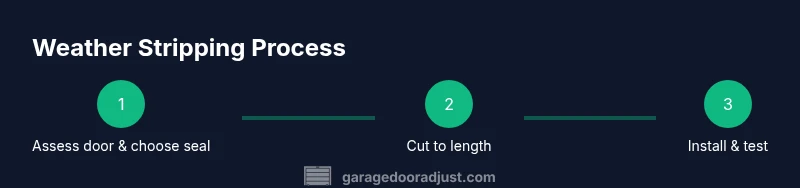
Begin by closing the door and inspecting the bottom seal and side jambs. Measure the kerf width if you have a kerf door, or determine if a non-kerf, adhesive-backed seal is required. Record the door width, height, and any gaps along the bottom edge in several places, since gaps can vary along the length of the door. Choose a seal with a size and profile that matches the measured gaps; prefer a slightly compressed fit rather than a loose one to prevent drafts. If you’re shopping at Home Depot, read product labels to confirm compatibility with kerf or non-kerf doors, and select a material suited for your climate (PVC or vinyl options resist the elements well). Also consider a seal with a UV-resistant surface and a warranty that covers cracking or tearing. Once you’ve selected a sealing profile, cut it to length with a utility knife or scissors, ensuring a clean edge so the seal sits flat in its channel or against the door face. Finally, verify that the seal does not interfere with the door’s movement or with hardware like tracks and rollers.
Common mistakes and troubleshooting
A frequent error is choosing a seal that is too thick for the kerf or frame, which causes binding when the door closes. Another pitfall is not cleaning the surface thoroughly; dirt and oils reduce adhesive strength and cause early failure. Misalignment between bottom and side seals can trigger air leaks at corners where two seals meet. When troubleshooting, recheck the kerf depth and ensure the seal is properly oriented (bulb side faces outward, foam edges band the interior). If the door still leaks after installation, you may need to trim the seal a bit more or replace the sections near the corners with a slimmer profile. Always test by closing the door on a flat surface and looking for daylight gaps with a bright light behind the seal in a dark room. If you hear wind noise through gaps, you likely require a tighter seal or an alternative profile that matches your door geometry. For seasonal changes, inspect the seals at least twice a year and replace as soon as you notice cracking, tearing, or hardening from sun exposure.
Maintenance and long-term care
Weather stripping is not a “set and forget” product. Periodic checks help you catch wear before it causes drafts. Clean the seals with a mild soap solution and a soft cloth to remove dirt and grime that can reduce adhesive and compression. Lubricate any metal components near the seal—like tracks and rollers—with a silicone-based lubricant to reduce sticking and preserve gasket integrity. If your climate experiences heavy rain or snow, consider inspecting the bottom seal for rigidity and watching for cracks along the edge where water may seep through. Replace worn sections rather than the entire strip to save costs and ensure consistent performance. For longevity, store spare seals in a cool, dry place away from direct sunlight, and avoid bending or twisting the material, which can impair its sealing properties. Regularly verify that the door still seals at the corners after seasonal temperature shifts, and re-seal any edges showing wear.
Energy savings and quick win ideas
A properly sealed garage door reduces heat exchange, helping to trim home energy costs over the heating season. In many homes, sealing improvements can lower HVAC cycling and stabilize indoor temperatures, especially when paired with attic and wall insulation improvements. If you want a quick win, start with the bottom threshold; a single, well-fitted vinyl bulb seal often yields a noticeable difference. For homes with larger gaps, a multi-piece kit that includes top and side seals can deliver improved performance. In addition to energy savings, a tighter seal reduces dust intrusion and helps keep out pests. The GarageDoorAdjust team recommends testing your door with a lighted flashlight at night to identify daylight leaks and ensure proper alignment of seals with the door’s moving parts.
Tools & Materials
- Tape measure (at least 6 ft)(Measure door width, kerf depth, and gaps)
- Utility knife or scissors(Cut seals to length)
- Pencil and notepad(Record measurements and notes)
- Rubbing alcohol or mild cleaner(Clean surfaces before applying adhesive)
- Clean cloths or paper towels(Wipe away dust and oil)
- Gloves(Protect hands during installation)
- Weather stripping (vinyl bulb, fin seal, or foam)(Choose kerf or non-kerf based on door type)
- Adhesive remover or mineral spirits(Remove old adhesive if needed)
- Caulk gun or adhesive tape (if required)(Secure non-adhesive seals)
Steps
Estimated time: 30-60 minutes
- 1
Remove old weather stripping
Power down nearby electrical devices if any are near the door to avoid hazards, then carefully lift the existing seal from the kerf or door face. Work along the entire length and note how it’s seated so you can replicate orientation with the new strip. Use a utility knife to trim any stubborn residue and prepare the surface for new adhesive if needed.
Tip: Take a photo of the old seal’s installation for reference on orientation and alignment. - 2
Clean the surface and kerf
Wipe the door edge, bottom, and side jambs with a clean rag dampened with mild cleaner. Let dry completely to ensure the new seal adheres fully and seats evenly. If the kerf is particularly dirty, scrape gently with a plastic scraper and re-clean.
Tip: A dry, dust-free surface helps the seal grip better and last longer. - 3
Measure and choose the correct seal
Measure the kerf depth and the length of the door edge to determine the right seal profile (kerf vs non-kerf) and material (vinyl, foam, or hybrid). Compare product specifications to your measurements and climate needs. If in doubt, select a slightly compression-friendly seal that will still seal well when the door is fully closed.
Tip: When in doubt, bring measurements to Home Depot and ask an associate for a fit check. - 4
Cut the seal to length
Use a sharp utility knife or scissors to cut the seal so it matches the door length exactly. Cut slowly and squarely to avoid jagged edges that could prevent proper seating. If you’re using a multi-piece kit, cut each segment to fit the corresponding edge.
Tip: Always cut slightly longer than needed and trim to fit if necessary, rather than forcing a short piece into place. - 5
Install the bottom seal and side seals
For kerf seals, press the seal into the kerf with even pressure along its length. For non-kerf, align the adhesive-backed edge and press firmly as you work along the door. Ensure the seal sits flush against the frame without lifting at the corners and avoids contact with the tracks or rollers.
Tip: Check alignment with the door in both closed and slightly open positions to ensure proper seating. - 6
Test, adjust, and finalize
Close the door and inspect for daylight gaps with a bright light on the exterior. If you see any gaps, adjust the seal position or trim the ends slightly. Repeat test until the seal continues to contact the frame evenly when the door is closed. Record any adjustments needed for future reference.
Tip: Run a cold/warm air test in your climate to confirm energy savings once the seal has seated.
Got Questions?
Is weather stripping necessary for detached garages?
Even detached garages benefit from weather stripping to reduce drafts, moisture entry, and heat transfer. Sealing improves climate control inside the garage and can reduce energy losses if the space is used as a workshop or stored items are sensitive to temperature swings.
Yes. Sealing can help reduce drafts and moisture in detached garages, making the space more comfortable and energy-efficient.
Can I install weather stripping myself or should I hire a pro?
Most homeowners can install weather stripping themselves with basic tools. Follow manufacturer instructions, measure carefully, and cut precisely. For complex kerf systems or high-wind areas, a local handyman or garage door pro can ensure optimal fit.
Most people can do this themselves; if you’re unsure about kerf systems or door movement, a pro can help.
How often should weather stripping be replaced?
Replace weather stripping when you notice cracks, hardening, tearing, or persistent drafts. In climates with seasonal temperature shifts, inspect seals twice a year and replace as needed to maintain energy efficiency.
Check seals twice a year and replace worn ones to maintain good drafts protection.
What is the difference between kerf and non-kerf weatherstripping?
Kerf weatherstripping sits in a groove cut into the door edge, offering a flush, stock-ready finish. Non-kerf seals rely on adhesive backing or mounting hardware and sit on the door face or frame. Choose based on your door’s construction and installation preferences.
Kerf fits in grooves; non-kerf uses adhesive or screws. Match to your door type.
Will weather stripping stop drafts when the garage door is closed?
Yes, when properly installed, weather stripping minimizes air leakage at the door edges and corners, significantly reducing drafts and improving energy efficiency.
Properly installed seals significantly cut drafts and improve energy efficiency.
Watch Video
Quick Summary
- Evaluate door style and kerf type before buying.
- Choose a seal with durable material and proper compression.
- Measure accurately and cut carefully for a snug fit.
- Test the seal and adjust for a daylight-free closure.