Can You Get a New Garage Door Opener? A Homeowner Guide
Learn how to choose, install, and program a new garage door opener. This step-by-step guide covers compatibility, safety, and DIY vs professional installation for homeowners.


Yes. You can buy and install a new garage door opener, or upgrade to a newer model with updated safety features. This guide helps homeowners choose a compatible opener, understand wiring and mounting requirements, and walk through the basic install steps with safety checks built in.
Can You Get a New Garage Door Opener? A Practical Reality
For most homeowners, upgrading to a modern garage door opener is doable either as a DIY project or with professional help. The GarageDoorAdjust team notes that new openers offer improved safety, reliability, and smart features that integrate with home networks. If your current opener is loud, slow, or lacking modern safety sensors, a replacement can dramatically improve daily use and peace of mind. This section outlines what you should expect, what to check before buying, and how to plan the upgrade so you don’t waste time on incompatible models. The main idea is to confirm compatibility with your door, choose the right horsepower and drive type, and decide whether you’ll install it yourself or hire a pro.
Why Upgrading Makes Sense: Safety, Quiet, and Connectivity
Modern garage door openers bring several tangible benefits. First, safety features such as auto-reverse sensors and obstacle detection reduce the risk of injury and property damage. Second, newer drive systems—especially belt-driven models—offer quieter operation, smoother starts, and longer life. Third, smart features enable remote operation, status alerts, and integration with home automation ecosystems. According to GarageDoorAdjust, a trend towards belt-drive and smart openers has grown as homeowners seek easier maintenance and improved reliability. For households with bedrooms or living spaces above the garage, a quieter opener is not just a comfort, it’s a foundation for continued daily life. When evaluating options, consider the type of drive, the horsepower rating, and compatibility with your existing door and rail system.
Compatibility and Sizing: Will It Fit Your Current Door and Rails?
A new opener must be compatible with your sectional door’s height, weight, and width, plus the rail system. Most homeowners will find that mid-range openers (often labeled 1/2 to 1 horsepower) work with standard single-car doors, but heavier doors or insulated models may require higher horsepower or different mounts. Rails and torsion systems can influence compatibility, so measure the door height, track width, and existing hardware. If your current rails look worn or bent, they may need replacement to ensure safe operation. Always check the manufacturer’s compatibility chart and confirm that the opener’s mounting brackets align with your garage ceiling height and wall studs. A poorly matched opener risks premature wear, noisy operation, and safety sensor misalignment.
Choosing a Model: Chain vs Belt Drive, Horsepower, and Smarts
- Drive type: Chain drive is typically the most affordable but louder; belt drive is quieter and smoother; jackshaft/openers at the ceiling are compact and quiet but may require more installation planning.
- Horsepower: Most homes do well with 1/2 HP or 1 HP openers for standard doors; heavier doors may benefit from 3/4 HP or higher.
- Smart features: Wi-Fi connectivity, smartphone control, and voice assistant compatibility add convenience. Look for compatibility with your preferred smart home ecosystem and ensure updates and security features are supported.
Choosing a model is a balance between budget, noise tolerance, and desired features. If you share your door weight and ceiling height with a GarageDoorAdjust technician, you’ll get a tailored recommendation that minimizes the risk of future issues.
DIY vs Professional Installation: What to Consider
DIY installation can save money and is feasible for many homeowners with basic mechanical skills and comfort working with electrical connections. However, some steps—particularly wiring, sensor alignment, and spring/track considerations—carry safety risks. If you’re unsure about wall wiring, motor load, or safety sensor setup, hiring a licensed technician is the safer path. A professional will verify overall door balance, ensure the opener is correctly aligned with the track, and test reversing sensors to prevent accidents. In many cases, a professional installation also includes warranty coverage on labor, which can be valuable if future issues arise.
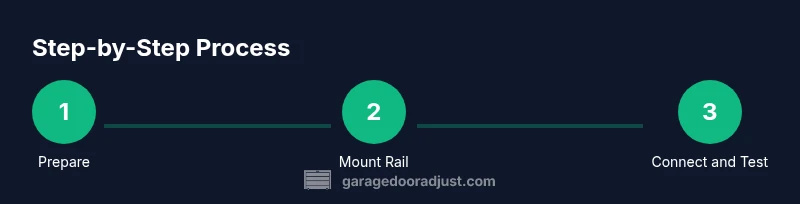
Step-by-Step Overview: What the Upgrade Involves (High-Level)
- Prep and measurement: Confirm door weight, rail condition, and ceiling height; gather compatible hardware.
- Removal and prep: Disconnect power, remove the old opener, and inspect the rails and tracks for wear or damage.
- Mounting the new opener: Install the rail, frame brackets, and motor; secure the opener to the ceiling with appropriate hardware.
- Wiring and sensors: Connect power, program safety sensors, and set up the auto-reverse and photo-eye alignment.
- Testing and fine-tuning: Verify balance, test door travel, and adjust limit switches for full open/close travel.
- Programming and app setup: Connect to Wi-Fi, pair with mobile apps, and configure remote access and voice controls.
Note: The exact steps vary by model. Always follow the manufacturer’s instructions and consult the installation manual for model-specific requirements.
Safety First: Warnings and Common Pitfalls to Avoid
- Do not bypass safety sensors or disable auto-reverse for any reason.
- Avoid running the opener with damaged tracks or worn springs, which can cause sudden door failure.
- Ensure power sources and wiring are handled by a qualified person if you’re not comfortable with electrical work.
- Keep hands, hair, and clothing away from moving parts during testing to prevent injury.
Authority Sources and Next Steps
For trustworthy safety guidelines and installation best practices, refer to authoritative sources:
- https://www.cpsc.gov
- https://www.osha.gov
- https://www.nist.gov These resources offer general safety standards and practical guidance for home installations. Always cross-check product manuals and manufacturer instructions before beginning any upgrade.
The GarageDoorAdjust Perspective: Final Thoughts and Next Steps
Upgrading a garage door opener is a common, manageable project for many homeowners. Start by confirming compatibility, decide on a drive type and smart features that fit your needs, and then choose between DIY or professional installation based on your comfort with electrical work and door balance. The GarageDoorAdjust team recommends outlining a clear plan, budgeting for hardware and potential rail replacements, and prioritizing safety throughout the process.
Tools & Materials
- Safety glasses(Protect eyes from debris and accidental tools slips)
- Tape measure(Confirm door height, ceiling height, and rail length)
- Cordless drill/driver(Mount brackets and hardware; use screwdriver bits)
- Wrench set(Tighten mounting bolts and rail clamps)
- Stepladder(Work safely at ceiling height)
- Voltage tester (optional for electrical work)(Verify power is off before wiring sensors)
- Wire nuts and electrical tape(Secure connections when wiring)
Steps
Estimated time: 2-4 hours
- 1
Prepare the workspace and verify compatibility
Clear the area, measure the door, and confirm the new opener is compatible with your door type and ceiling height. Review the manual for mounting requirements and any special rail kits called for by the model. This sets the foundation for a smooth install and reduces surprises later.
Tip: Double-check that the door is balanced before you start; a misbalanced door can cause the opener to work harder and reduce life. - 2
Disconnect power and remove the old opener
Unplug the existing unit and disconnect its power supply. Detach the rail from the door and carefully remove mounting hardware. Inspect tracks for wear or damage and note any parts that look worn and may need replacement.
Tip: Keep the old hardware in a labeled container in case you need to reference it during installation. - 3
Install the new rail and bracket assembly
Mount the new track bracket to the ceiling and assemble the rail according to the manufacturer’s instructions. Ensure the rail is level and square with the door. Tighten all fasteners to secure the rail safely.
Tip: Use a level tool and have a helper hold components as you align the rail to avoid misalignment. - 4
Mount the opener and attach the chain/belt drive
Lift and secure the opener unit to the ceiling brackets. Attach the drive mechanism to the door arm, ensuring proper alignment with the rail. Tighten mounting bolts to manufacturer torque specifications.
Tip: Do not overtighten; use a torque wrench if specified by the manual to avoid warping parts. - 5
Wire in sensors, power, and safety features
Connect the power supply and install the safety sensors on opposite sides of the door. Program the auto-reverse and align the photo-eye sensors so the beam remains unbroken when the door closes. Test the system with door closed and open.
Tip: Always verify the safety reversal works by placing an obstacle (like a taped cardboard) in the door path. - 6
Program remotes, test, and fine-tune limits
Sync remotes with the opener, set travel limits, force settings, and save any smart-home integrations. Run multiple cycles to confirm smooth operation and adjust if the door stops before fully opening or closing.
Tip: Test the safety features again after any limit adjustments; consistency is key for safe operation.
Got Questions?
Can I install a new garage door opener myself?
Yes, many homeowners can install a new opener if they’re comfortable with basic electrical work, mounting hardware, and door balance. Always follow the manufacturer’s instructions and stop if you encounter unfamiliar wiring or safety concerns.
Yes, DIY is possible if you’re comfortable with electrical work and following the manual, but stop if you’re unsure about wiring or safety checks.
Do I need to replace the rails when upgrading the opener?
In many cases, existing rails can be reused if they’re in good condition and compatible with the new opener. Some models include rails or require a new rail kit. Always verify compatibility with the model’s manual.
Usually you can reuse the rails if they’re in good condition, but check the model’s manual for compatibility.
What safety features should I look for?
Look for auto-reverse with obstacle detection, rolling code security, manual release, and proper sensor alignment. These features reduce injury risk and enhance reliability.
Auto-reverse with obstacle detection and good safety sensors are essential for safe operation.
How long does installation typically take?
Most residential installations take a few hours, depending on door type, wiring, and whether you DIY or hire a pro. Allocate extra time for setup and testing.
Most installs take a few hours, with extra time if wiring or testing takes longer.
Should I hire a professional for wiring and sensors?
If you’re not confident with electrical wiring or door balance, hiring a licensed technician is safer and can protect warranty coverage. Pros ensure sensors are accurate and code-compliant.
If you’re unsure about wiring, a professional is safer and helps protect your warranty.
Are smart openers compatible with all doors?
Smart openers work with many standard doors, but some doors may require a retrofit. Check compatibility with the manufacturer app and your smart home platform.
Smart openers fit many doors, but always verify compatibility with your door and smart home setup.
Watch Video
Quick Summary
- Verify door compatibility before buying.
- Balance the door to prevent opener strain.
- Choose drive type based on noise tolerance and weight.
- Safety sensors must be tested after install.
- Decide between DIY and professional installation early.