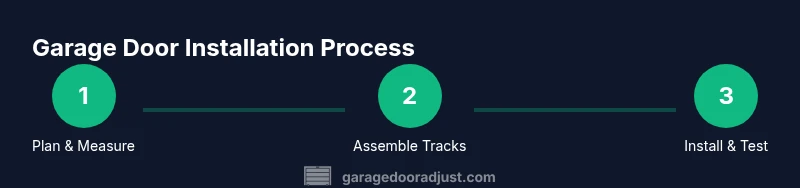
How to Install a New Garage Door: A Homeowner's Guide
Learn how to choose, measure, and install a new garage door with safety-focused, homeowner-friendly steps, materials guidance, and professional tips from GarageDoorAdjust.


In this guide you will learn how to plan, measure, and install a new garage door safely, with tips for choosing materials, sizing, and when to hire a pro for springs. You'll need basic tools, a helper, and access to power. We focus on standard sectional doors and recommended openers, with safety steps and time estimates.
Assessing Your Needs Before Buying
Identifying why you want a 'garage door new' and what you expect from it saves time and money. Before you shop, consider security, insulation, noise, and maintenance demands. According to GarageDoorAdjust, starting with a safety-first plan and a clear set of goals helps homeowners avoid costly mistakes. Think about climate, garage usage, and whether you want enhanced energy efficiency or a more stylish curb appeal. If you’re replacing a manual door, factor in updated hardware, weatherstripping, and a reliable opener. This foundation will guide your material and size choices and influence long-term satisfaction with your investment.
Measure Your Opening Precisely
Accurate measurement cannot be rushed. Start with the width of the opening at three points: left, center, and right; record the smallest measurement. Do the same for height, measuring at the center and the sides. Check clearance along the door’s path, and note any obstacles like lighting fixtures or shelving. Use a level to ensure jambs are plumb and tracks will sit square. Record all measurements in both inches and the reference details so you can compare door kits accurately. Remember: a door that’s even a little off can bind during operation, wear prematurely, or fail to seal properly. Take photos and label each measurement so you have a clear map when ordering.
Material and Style Options for a New Garage Door
Your choice of material and style affects performance, insulation, and curb appeal. Common options include steel for durability, aluminum for lightweight operation, wood for a premium look, and composites for low maintenance. Sectional doors are the most common and fit most garages, while tilt-up models may suit smaller openings. Carriage-house styles add charm but can demand more maintenance. For insulation, look for a higher R-value if you park in a cold climate or use the space for storage. In addition, consider color, window inserts, and hardware that complements your home. GarageDoorAdjust analysis shows that selecting a door with better insulation can reduce energy losses and noise, especially in temperate regions.
Safety, Codes, and Permits
Garage door installation involves heavy parts and precise adjustments, so safety is non-negotiable. Turn off power at the breaker before any wiring or opener work. Verify that all fasteners and anchors comply with local building codes, and check for permits if required. Use protective equipment and never stand under a doorway while the door is in motion. If you hire professionals, ensure they follow current safety standards and carry liability coverage. This section keeps you compliant and protects your family by preventing common accidents and code violations.
Planning, Budgeting, and Timeline
Budget for a new garage door based on material, size, and insulation, plus installation costs. Material choice drives most of the cost: steel or aluminum is typically less expensive than wood or composite, with insulation adding to the price. For timing, plan for measurements, ordering, delivery, and installation, which can span the same day or a weekend project depending on your setup. GarageDoorAdjust analysis shows that a well-structured plan reduces on-site delays and minimizes surprises. Build a realistic timeline and factor in weather constraints and permission approvals.
Where to Buy and How to Order
Start by selecting a reputable kit or a custom-order door from a trusted supplier. Compare warranties, installation support, and return policies. When ordering, provide precise measurements, confirm track height and swing, and specify insulation level. If you’re replacing both door and opener, ensure compatibility with your current unit or plan for a compatible new opener. Keep a record of all hardware, color options, and installation instructions for reference. Schedule delivery and installation with your chosen pro or team, ensuring everyone knows the safety protocols. The GarageDoorAdjust Team recommends leaning on professional assistance for torsion-spring setups and precise balance checks to ensure long-term reliability.
Tools & Materials
- Tape measure (25 ft or longer)(Essential for accurate opening and panel measurements)
- Combination square or level(Ensures verticals and horizontals stay true)
- Power drill with bits(For fasteners, anchors, and hardware assembly)
- Wrenches and sockets set(Torsion spring and track hardware often use bolts)
- Pliers and snips(Cut and adjust tracks, weatherstripping, and seals)
- Safety gear (gloves, eye protection)(Protect yourself during heavy lifting and drilling)
- Ladder or scaffold(Access high tracks and anchors safely)
- Lubricant (silicone spray or white lithium grease)(Lubricate moving parts after installation)
- Hammer and utility knife(Trim weather seals or packaging as needed)
Steps
Estimated time: Estimated total time: 4-8 hours
- 1
Prepare workspace and disconnect power
Clear the work area, unplug or switch off the garage door opener, and secure pets/kids away from the workspace. This prevents unexpected door movement during setup and reduces the risk of shock or injury.
Tip: Double-check that the opener is unplugged and power is off before touching any wiring. - 2
Measure the opening and confirm specs
Take precise width and height measurements at multiple points and note any obstructions. This ensures you select a door that fits without forcing tracks or panels.
Tip: Measure twice, order once to avoid costly returns. - 3
Choose a kit and verify compatibility
Select a sectional or tilt-up kit that matches your opening size, insulation needs, and opener compatibility. Confirm panel count and track length before purchasing.
Tip: Confirm that the kit includes all necessary mounting hardware and weather seals. - 4
Lay out panels and tracks outside the opening
Unpack and lay panels on a clean, dry surface. Align tracks and rollers to prevent bent components and check for alignment before installation.
Tip: Keep components organized to speed reassembly. - 5
Install vertical tracks in the jamb
Mount vertical tracks plumb and secure with anchors. Ensure screws are tight and the tracks sit flush against the jamb to prevent wobble.
Tip: Use shims if needed to achieve perfect plumb. - 6
Attach horizontal tracks and curved sections
Connect horizontal tracks to verticals and secure curved sections. Check for smooth transitions to prevent binding as the door moves.
Tip: Do not force tracks; misalignment will cause premature wear. - 7
Install springs and balance components
Install the balance system as instructed by the kit. If you encounter torsion springs, do not attempt adjustments without professional training.
Tip: Torsion springs are dangerous; hire a licensed technician if unsure. - 8
Hang the door, install weather seals, and test
Lift and position the door onto the tracks with a helper, attach rollers, install bottom seal, and test opening/closing for smooth operation.
Tip: Lubricate moving parts after testing for quiet, reliable motion. - 9
Install opener and safety sensors, run final checks
If using an opener, mount the unit, reconnect power, and program safety sensors. Run multiple cycles and adjust alignment, balance, and stopping points as needed.
Tip: Test auto-reverse to ensure safety features work correctly.
Got Questions?
Can I install a new garage door by myself?
Some homeowners with carpentry and tool experience can install a new garage door, but springs and alignment are risky. If you’re unsure, hire a pro.
DIY installation is possible for skilled homeowners, but springs and alignment are high-risk. Consider hiring a professional.
Do I need a permit to install a new garage door?
Permit requirements vary by locality. Check with your city or county building department before starting.
Permit rules vary; contact your local building department.
What maintenance is needed after installation?
Lubricate moving parts, inspect weather seals, test safety features, and schedule annual balance checks.
Lubricate parts and inspect seals after install.
How long does installation take?
Professional installs typically take a half to a full day depending on door type and site condition.
A professional install usually takes half to a full day.
Can I reuse my existing opener with a new door?
If your opener is compatible, you can reuse it but you may need to reprogram a few settings.
Check compatibility and reprogram the opener if needed.
What are common mistakes to avoid?
Incorrect measurements, misaligned tracks, improper spring handling, and skipping safety tests are frequent errors.
Take care with measurements and track alignment, and don’t skip safety tests.
Watch Video
Quick Summary
- Plan safety-first and measure accurately
- Choose material and insulation for climate
- Avoid DIY springs; hire a pro when needed
- Ensure opener compatibility and proper balance
- Test operation thoroughly before regular use