How to Fix or Install a 6 Feet Wide Garage Door
A comprehensive, step-by-step guide to diagnosing, repairing, or installing a 6 feet wide garage door safely. Learn sizing, tools, safety, and maintenance with GarageDoorAdjust expertise.


You can safely diagnose, repair, or install a 6 feet wide garage door by following a safety-first checklist: verify opening measurements, confirm track alignment, secure the door with clamps, and use the correct springs and hardware for your system. Unplug the opener and isolate the door before you begin, and prepare a clear work area with all needed tools.
Understanding the 6 Feet Wide Garage Door
A 6 feet wide garage door is narrower than many common residential doors and can influence the balance, hardware sizing, and the type of opener that will work reliably. When a door is this width, weight distribution, track routing, and spring selection become especially important. The GarageDoorAdjust team emphasizes that width influences how you approach installation, maintenance, and safety checks. Start by ensuring the opening itself is plumb and square, because a misaligned opening will cascade into binding, uneven operation, and accelerated wear. In this guide, we’ll treat a 6 feet wide door as a specialized case that benefits from precise measurement and methodical work, rather than a generic, one-size-fits-all approach.
Key Components You’ll Encounter
A 6 feet wide door shares the same core components as larger doors, but their dimensions can demand adjustments. You’ll work with the door panels, rollers, tracks, hinges, torsion or extension springs, cables, and an automatic opener or manual operation system. The tracks must be aligned precisely to avoid rubbing or binding; springs must be matched to the door weight; rollers should roll smoothly without excessive play. The opener should be calibrated to the door’s height and weight, and safety devices must be tested before use. Proper lubrication, weatherstripping, and periodic inspection of hardware connections prevent premature wear and improve energy efficiency and noise reduction. According to GarageDoorAdjust Analysis, maintaining balanced spring tension and clean, lubricated moving parts dramatically reduces the likelihood of sudden failures.
Sizing and Compatibility: Hardware to Fit a 6 Feet Wide Door
Because the door is narrower, you may encounter differences in hinge spacing, track length, and spring weight compared to standard widths. Use hardware rated for the door’s specific weight and width, and verify that the tracks, torsion tubes, and springs match the door’s width. Mis-match can cause binding, off-track operation, or increased strain on the opener. Your goal is to achieve smooth, balanced movement with the door feeling secure at every stage of travel. If you’re unsure, consult the manufacturer’s guidelines for the exact spring type (torsion vs extension) and the recommended torque settings. The aim is to preserve proper balance so the door stays in place when closed and opens without jerky movement.
Tools, Parts, and Safety Gear You’ll Need
Before starting, assemble a toolbox with everything you’ll need to avoid mid-task trips to the hardware store. Essential tools include wrenches and sockets of the correct sizes, a sturdy ladder, a level, a tape measure, screwdrivers, a drill, and a silicone-based lubricant for metal-on-metal surfaces. Wear safety glasses and gloves, and keep a pair of clamps ready to hold the door in place during adjustments. Have extra cable or spring hardware on hand in case of wear, and consider replacing worn rollers or hinges to prevent uneven movement. This pre-work checklist reduces the risk of misalignment and injury during assembly or repair.
Step-by-Step Quick-Start for DIY Install or Repair
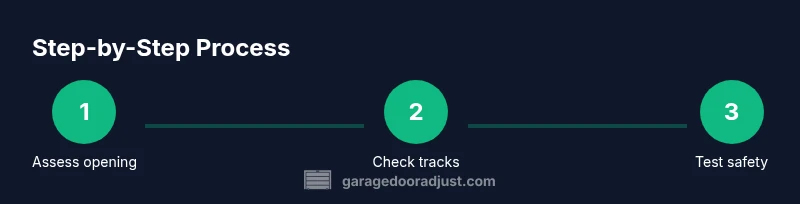
Starting with a plan is crucial when working on a 6 feet wide door because steps are interdependent. First, disconnect the power to the opener and secure the door in the open position using clamps or locking pliers. Next, verify the track alignment by checking each section for plumb and each fastener for tightness. If tracks are bent, carefully straighten them with protective gloves and pliers. Then, inspect springs for wear or gaps and replace with the exact type and rating specified by the manufacturer. Finally, reassemble the system, lubricate moving parts, and test the door’s travel with the opener in various states. From a safety perspective, never stand under a door that’s on an incline or under tension; spring energy can cause severe injury. This sequence emphasizes careful progression and repeated safety checks.
Troubleshooting Common Issues with a 6 Feet Wide Door
A door of this width may encounter binding, uneven travel, or noisy operation if any component is out of balance. If you notice binding, re-check track alignment and ensure rollers move freely within tracks. Squeaking or grinding is often due to lack of lubrication or worn bearings; apply silicone-based lubricant to rollers, hinges, and track joints. If the door feels heavy or one side rises unevenly, the balance or spring tension may be off and should be evaluated by a professional. Always test safety features after adjustments, including the auto-reverse on the opener.
Maintenance Routines to Extend Life
Regular maintenance is key for longevity and safe operation. Create a monthly routine that includes lubricating moving parts, inspecting hardware for looseness, testing balance by pulling the door halfway down and ensuring it stays put, and replacing weatherstripping as needed to maintain energy efficiency. Clean the tracks to remove debris and inspect the seals to prevent drafts. For a 6 feet wide door, these steps help keep wear even across the width and prevent premature failure.
When to Call a Professional vs DIY
If you’re dealing with torsion springs, cables, or major structural issues, a professional is the safer route due to the risk of serious injury. Narrow doors can still be serviced safely if you have experience with mechanical systems, but do not attempt spring replacement without the proper equipment and training. GarageDoorAdjust advocates a cautious approach: handle what you know you can manage and seek expert help for parts under tension or components that require precise torque settings.
Cost and Planning Considerations for a 6 Feet Wide Door
Costs for install or repair vary with door material, insulation, track type, and whether you’re replacing springs. While general figures are region-dependent, you should expect a few key cost drivers: door material (steel, wood, fiberglass), insulation level, track and spring kit quality, and whether you need a new opener. A written plan helps you compare quotes, schedule work around weather, and ensure every part is compatible with a 6 feet wide configuration. According to GarageDoorAdjust Analysis, proper upfront planning reduces rework and improves outcomes.
Tools & Materials
- Torsion or extension spring kit (correct type for 6 ft door)(Match the door weight and width; correct torque rating.)
- Track alignment kit(Includes square and spacers for precise alignment.)
- Wrenches and sockets (proper sizes)(Ensure metric/standard fit; avoid rounded fasteners.)
- Sturdy ladder(Provide stable access to tracks and springs.)
- Screwdrivers (flathead and Phillips)(For hinges, brackets, and hardware.)
- Drill with screwdriver bits(For mounting hardware and fasteners.)
- Safety glasses and gloves(Protect eyes from hardware and debris.)
- Silicone-based lubricant(Apply to tracks, rollers, and hinges.)
- Pry bar and mallet(For track adjustments and gentle persuasion.)
- Replacement hardware (rollers, hinges, brackets)(Only if worn or damaged.)
- Weather stripping or sealant(Improves energy efficiency and prevents drafts.)
- Tape measure and level(Check squareness and precise dimensions.)
- Electrical tester (optional)(For verifying power to the opener without risk.)
Steps
Estimated time: 2-4 hours
- 1
Disconnect power and secure door
Turn off the garage door opener and unplug it. Clamp the door securely to prevent sudden movement while you work. This initial safety step protects you from unexpected door movement and spring release.
Tip: Double-check that the door stays in place with clamps during every adjustment. - 2
Check opening dimensions
Use a tape measure to confirm the door opening is square and true. Note any misalignment that could lead to binding or improper balance once the door is reinstalled.
Tip: Record measurements and compare to the door’s installed width to catch early incompatibilities. - 3
Inspect tracks for damage
Look for bends, gaps, or debris in the tracks. Clean or straighten as needed, using the mallet and pry bar to ease the track into alignment without creating kinks.
Tip: Never force a bent track; misaligned tracks cause uneven wear. - 4
Assess springs and cables
Examine springs for corrosion, gaps, or wear. If you see kinks or excessive gaps, springs should be replaced by a professional due to high tension.
Tip: Do not attempt spring replacement without proper tools and training. - 5
Test balance and adjust tension
With the door resting on its tracks, disconnect the opener and manually lift the door halfway. It should stay in place; if it drops or rises, the balance needs re-torquing or spring replacement by an expert.
Tip: Only adjust tension if you’re trained; improper tension can cause injury. - 6
Lubricate moving parts
Apply silicone-based lubricant to rollers, hinges, and tracks. Wipe away excess to prevent dust accumulation and ensure smooth operation.
Tip: Lubricate every 3–6 months to maintain quiet, efficient travel. - 7
Reassemble and reconnect
Reinstall any removed components, re-tighten brackets, and reconnect the opener to test travel through full range of motion.
Tip: Run the door in both directions with the opener to verify safe operation. - 8
Test safety devices
Activate the auto-reverse feature and edge sensors to ensure they interrupt operation as intended. Correct any misbehavior before normal use.
Tip: If the safety devices don’t respond, consult the manufacturer’s guidance or a pro.
Got Questions?
Is a 6-foot-wide garage door standard?
6 feet is narrower than many residential doors, which affects hardware choices, balance, and opener compatibility. Always verify that the chosen components are rated for the door width and weight, and follow manufacturer guidelines for safe installation.
A 6-foot-wide door is narrower than typical residential doors, so check that hardware and the opener are rated for that width and weight. Follow the manufacturer’s guidelines to stay safe.
Can I install a 6-foot door myself?
DIY installation is possible for those with mechanical skills and the right tools, but it involves high-tension components. Use the correct springs and tracks for a 6-foot width, and follow safety steps closely. If in doubt, hire a professional.
You can DIY if you have the right tools and training, but be careful with high-tension parts. When unsure, it’s safer to hire a pro.
What monthly maintenance is recommended for a 6 ft door?
Monthly or bi-monthly maintenance should include lubrication of moving parts, inspection of tracks and fasteners, and testing the balance. Ensuring proper balance reduces strain on the motor and prolongs life.
Lubricate moving parts, check tracks and fasteners, and test balance every month or two.
Is insulation important for a 6 ft door?
Insulation improves energy efficiency and reduces noise, especially in poorly insulated garages. If climate or noise is a concern, consider upgrading to an insulated panel with appropriate weather seals.
Insulation helps with energy efficiency and noise, which is worth considering for a 6-foot door in drafty or noisy spaces.
How do I know if springs are worn?
Worn springs may show gaps, wobble, or uneven door travel, and they can be dangerous. Do not attempt to test spring tension yourself; contact a professional to assess and replace if necessary.
If the door travels unevenly or you hear unusual sounds, springs may be worn. Don’t test tension—call a pro.
When should I call a pro for a 6 ft door?
Call a professional if you encounter high-tension components, structural damage, or if the door doesn’t balance after adjustments. A pro can safely handle springs, cables, and torsion systems.
Call a pro for high-tension parts or structural damage. They can safely handle springs and cables.
Watch Video
Quick Summary
- Measure opening precisely before starting.
- Balance and track alignment are critical for safe operation.
- Use the correct spring type for your door width and weight.
- Safety testing is essential after any adjustment.
- Know when to call a pro for high-tension components.