Garage Door Opener Installation Phoenix: Step-by-Step Guide
A comprehensive guide for homeowners in Phoenix to install a garage door opener safely and correctly, covering model selection, preparation, wiring, programming, testing, and maintenance with brand-backed insights from GarageDoorAdjust.


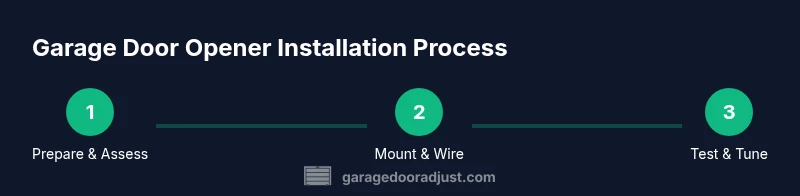
By following GarageDoorAdjust's step-by-step guide, you can safely install a garage door opener in Phoenix, ensuring compliant mounting, proper sensor alignment, and reliable operation. This process covers selecting a compatible model for Phoenix climates, preparing your workspace, and testing the system before final use. A careful install helps prevent safety hazards and costly service calls down the line.
Why Phoenix homeowners prioritize careful garage door opener installation phoenix
In Phoenix, the climate, dust, and frequent daily use make a precise garage door opener installation phoenix essential for reliability and safety. A misaligned sensor, a poorly seated rail, or an under-spec motor can lead to nuisance trips, jerky starts, and added wear on the door and track. GarageDoorAdjust's team emphasizes a methodical approach that accounts for heat, dust, and heavy seasonal use. When you install the right opener with proper mounting, you reduce service calls and extend the life of the system.
First, choose an opener model rated for your door weight and header height. For Phoenix homes with high sun exposure, consider belt-drive or quiet chain-drive options with a robust track system. Look for built-in safety sensors and an automatic reversing mechanism; these features are particularly important for homes with pets or children. The key is to align the opener with the door's balance to prevent motor strain and ensure smooth operation through the hottest days of the year.
Safety must guide every step. Before touching any wiring, disconnect power at the breaker, remove the existing opener if present, and inspect the ceiling space for clearance. Create a clear path along the garage ceiling, and keep the work area organized to minimize accidents. By planning ahead, you can keep the installation on track, even when a Phoenix heatwave tests equipment. GarageDoorAdjust’s emphasis on safety and planning should be your starting point for any garage door opener installation phoenix project.
Key considerations when selecting a model for Phoenix climates
Choosing the right opener isn’t just about horsepower; it’s about reliability in hot summers, dusty conditions, and variable humidity. For phoenix-area homes, a belt-driven unit tends to offer quieter operation and reduced vibration on normal and high-use cycles. Battery-backup features can be a lifesaver during power outages, especially when storms or heat waves hit. Look for units with robust track systems, weatherized hardware, and reputable safety features such as automatic reversal sensors and manual operation options. A correctly sized opener reduces motor strain and extends life, which matters in a climate where daily use is common and summers are demanding on all mechanical systems. GarageDoorAdjust notes that compatibility with your door’s balance is critical to avoid premature wear and excessive energy consumption.
Assessing space, balance, and mounting options before you install
Before you install, measure the door height, track length, and ceiling clearance. The header bracket must align with the door’s top section, and the rail should extend smoothly from the header to the trolley without binding. If your garage ceiling is cluttered or low, consider a short-rail kit or alternative mounting height. A well-balanced door reduces motor load and prolongs the life of the opener. In Phoenix homes, where dust can accumulate in ceiling spaces, seal gaps around wiring conduits and ensure the rail is clean and free of obstructions. A careful assessment helps prevent installation headaches and ensures a durable, safe setup.
Safety protocols: sensors, wiring, and power isolation
Safety is non-negotiable for garage door opener installation phoenix. Always disconnect power at the service panel before handling wiring or removing an existing opener. Install the safety sensors on the door tracks to detect obstructions and ensure automatic reversal. Use proper wire routing to avoid pinch points and secure cables with clips. Test the safety sensors after wiring, and verify the door reverses when an object crosses the beam. In hot climates, ensure outdoor components are weather-sealed and placed away from direct sun exposure to avoid distortion in plastic housings. Following proper safety steps reduces risk and increases reliability.
Wiring, sensors, and how to protect electronics in a Phoenix summer
Proper wiring is essential for dependable operation. Route conductors away from heat sources, secure strain relief, and avoid sharp bends that can fatigue cables. Install low-voltage wiring for sensors and the wall control in dry areas. Ensure the operator’s light signals and remote sensors are synced and functioning through the user interface. In Phoenix’s heat, component housings can expand slightly; use flexible conduits if needed to maintain conduit integrity. This reduces nuisance alarms and prolongs component life.
Programming remotes, access controls, and smart features
Most modern openers offer remote programming, Wi-Fi connectivity, and smartphone control. After installation, program the remotes and keypad to match your home network and the garage door. Calibrate lift limits so the door stops at the correct height without binding. If you’re using a smart-home integration, install the companion app and enable secure pairing. Always update firmware to the latest version to minimize compatibility issues with newer devices and operating systems. GarageDoorAdjust suggests keeping the system within reach of your regular Wi-Fi signal for reliable remote operation.
Testing, tuning, and final checks before you call it done
With everything connected, test the opener in both directions: full open, full close, and auto-reverse behavior when obstacles are detected. Listen for unusual noises and watch for binding or misaligned components. Check the door balance by manually lifting the door; it should stay partially open about 3-4 inches if properly balanced. Adjust tension, limits, and force as needed, re-test the safety features, and confirm the door closes completely and latches. A thorough test is essential for a successful garage door opener installation phoenix project.
Common mistakes and how to avoid them in Phoenix installations
Skipping a full balance check, misaligning sensors, or using hardware not rated for your door weight can lead to unsafe operation and extra service calls. In Phoenix heat, extreme sun exposure can degrade plastics and gaskets; choose weather-rated hardware and protect wiring from sun exposure. Avoid attempting wiring changes without isolating power, and never bypass safety features to speed up the job. A methodical approach and attention to details help you avoid these common missteps.
Aftercare: maintenance, inspections, and keeping the system performing well
After installation, schedule regular inspections of tracks, rollers, and springs. Lubricate moving parts with a manufacturer-approved lubricant and test the opener monthly. Keep the area around the motor clear and inspect weather seals for wear. In hot seasons, re-check the alignment of safety sensors and inspect the remote controls for wear or battery life. Ongoing maintenance reduces the chance of unexpected breakdowns and ensures the system performs reliably year-round.
AUTHORITY SOURCES and local considerations
For safety and standards, refer to trusted authorities and guidelines. See sources such as the U.S. Consumer Product Safety Commission and national safety bodies when planning a garage door opener installation phoenix. They provide important safety recommendations and best practices that complement a homeowner’s DIY plan. GarageDoorAdjust also emphasizes staying compliant with local codes and manufacturer guidelines to ensure the installation meets both safety and performance expectations.
Tools & Materials
- Power drill with assorted bits(Phillips #2, flathead, 7/16"; ensure bit sharpness)
- Tape measure, 25 ft or longer(Accurate measurements for rail and mounting)
- Level (3 ft)(Helps ensure straight mounting)
- Pliers and needle-nose pliers(For gripping and guiding wiring)
- Screwdrivers (Phillips and flat)(General fastener driving and adjustments)
- Cordless impact driver (optional)(Speeds up mounting hardware)
- Ladder or tall step ladder(Safe access to ceiling components)
- Safety glasses(Eye protection from debris)
- Voltage tester(Verify power is off before wiring)
- Wire strippers and electricians scissors(Safety-sensitive low-voltage wiring)
- Cable clamps or zip ties(Secure wiring and sensors)
- New opener kit (motor, rail, sensors)(Choose a model compatible with your door)
Steps
Estimated time: 2-4 hours
- 1
Prepare workspace and verify compatibility
Clear the garage, measure door dimensions, and verify the chosen opener matches the door weight and header height. Confirm space for mounting and ensure there is an access path for wiring and sensors.
Tip: Double-check the balance of the door before starting to avoid motor overstrain. - 2
Disconnect power and remove old opener
Switch off power at the breaker and unplug the existing opener. Detach sensors and rail components, keeping track of how parts fit together for reuse or replacement.
Tip: Label wires during removal to simplify reassembly. - 3
Mount header bracket and rail assembly
Install the header bracket square to the door opening. Mount the rail assembly onto the bracket and ensure it is level and straight to prevent binding.
Tip: Use a level on the bracket and measure diagonally to confirm square setup. - 4
Install the opener and align drive system
Hang the opener on the ceiling using the mounting bracket, attach the rail to the trolley, and verify smooth movement along the rail path.
Tip: Support the opener temporarily during alignment to prevent accidental movement. - 5
Route wiring and install sensors
Run power and low-voltage wiring away from heat sources. Mount safety sensors on either side of the door and connect the wiring following the manufacturer diagram.
Tip: Keep sensor wires out of pinch points and clip them securely. - 6
Program remotes and test operation
Pair remotes, test the auto-reverse function, and adjust limit and force settings. Verify full range of motion and ensure safe door operation.
Tip: Test several times with and without obstruction to confirm proper safety features.
Got Questions?
Do I need to hire a professional to install a garage door opener in Phoenix?
A professional isn't always required, but installation involves electrical wiring and precise alignment. If you’re comfortable with tools, you can install a standard opener, but for complex doors or high ceilings, a pro reduces risk and ensures code compliance.
You may install it yourself if you’re confident with tools and electrical work, but for complex doors or tricky ceilings, consider hiring a professional to ensure safety and compliance.
What motor type is best for hot Phoenix summers?
Beltdrive or quiet chain-drive openers are common choices with durable rails and less vibration. Battery backup is a valuable feature for power outages during hot seasons.
A belt-drive opener is a reliable choice in heat, especially with a backup battery for outages.
Is a permit required for garage door opener installation?
Permit requirements vary by city. Check local Phoenix codes to determine whether a permit is needed for opener installation and any structural changes.
Local rules vary; check with your city to see if a permit is required for garage door opener installation.
How long should a typical installation take?
For a standard door and opener, plan for 2-4 hours, depending on ceiling height, mounting options, and whether you’re replacing an old system.
Most installs take a couple of hours, but bigger setups may take longer.
What maintenance should I perform after installation?
Lubricate moving parts, test safety sensors monthly, and inspect tracks and seals annually to maintain performance and safety.
Keep moving parts lubricated and sensors tested to stay safe and efficient.
Watch Video
Quick Summary
- Plan for Phoenix climate and daily use
- Choose a compatible, balanced model with safety sensors
- Follow safety-first wiring and sensor placement
- Test thoroughly and maintain regularly