Garage Door Repairs Scottsdale: A Complete Step-by-Step Guide
Learn how to diagnose, repair, and safely service garage doors in Scottsdale with an expert-guided, step-by-step guide from GarageDoorAdjust. Safety, common issues, and maintenance explained for homeowners.


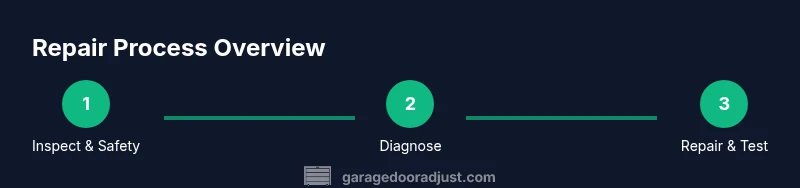
You're about to learn how to diagnose and begin repairing common garage door problems in Scottsdale. This quick guide outlines essential safety checks, what parts to inspect, and the basic steps you can perform before calling a pro. You’ll get a clear, step-by-step approach, required tools, and warnings to avoid injury or door damage.
Understanding Scottsdale Garage Door Systems
Homeowners in Scottsdale typically rely on sectional steel or aluminum doors paired with electric openers. The climate—hot summers, fine dust, and occasional monsoon humidity—can affect track lubrication and fasteners more quickly than cooler regions. A basic understanding of door components helps you diagnose issues without guessing. A standard setup includes panels, tracks, rollers, springs, brackets, a torsion shaft (for some models), and an opener mounted to a header above the door. When diagnosing problems, remember that compatibility between the door and the opener matters just as much as the door’s physical wear. According to GarageDoorAdjust, many Scottsdale households use torsion-spring systems because they offer reliable balance and smooth operation when properly maintained. Keeping in mind local conditions, inspect the alignment of tracks, ensure the door sits evenly on its guides, and confirm that weather seals remain intact to block wind and dust. Regular inspection reduces emergency repair needs and extends the life of components in this arid climate.
Safety Protocols Before You Start
Always unplug the opener or switch off the circuit before touching any moving parts. Keep people and pets away while you test or adjust a door, and wear safety glasses and gloves. Assume any spring-loaded component could move unexpectedly, and never place your hands between panels or near the tracks while the door is moving. If the door is heavy or unbalanced, do not attempt to lift it with your bare hands—use a temporary spring balance tool or ask for help. The goal is to avoid injury and prevent further damage to the door.
Procedural note: even with the opener unplugged, there can be residual energy. If you suspect a broken spring or shifted track, stop and call a professional. In Scottsdale, many homeowners begin with a safety-first mindset to prevent dynamic loads from harming people or property.
Diagnosing Common Problems
Common issues include a door that won’t open, closes with a loud bang, or reverses before hitting the floor. Start by testing the door manually with the opener disconnected: lift the door about halfway and note whether it stays balanced. If it drops, a balance issue or spring problem may exist; if it stays up, the problem is likely with the opener or sensors. Inspect tracks for dents, burrs, or obstructions; clean and lubricate with a non-staining silicone spray or white lithium grease. Check rollers for wear and replace worn wheels. Sensor alignment issues show as a blocked or blinking LED on the safety eyes; clean the lenses and realign until both lights stay steady. If you hear grinding or feel rough movement, inspect hinges and brackets for looseness and tighten as needed. Do not attempt to adjust torsion springs—these components are dangerous and require a licensed technician.
Basics of Home Repairs You Can Safely Do
Only perform non-spring repairs and adjustments within your skill level. Tighten loose bolts on tracks, brackets, and hinges using the appropriate screwdriver or wrench. Clean the tracks and apply a light lubricant to rollers, hinges, and slide bearings; avoid over-lubricating, which can attract dust. If the door has begun to bind at the bottom, check the bottom brackets and weather seals. For opener issues, verify power, test the wall switch, the remote, and the safety sensors. If the door reverses or stops unexpectedly, adjust the opener’s travel limits following the manufacturer’s instructions rather than forcing the door manually. Always re-test the door after adjustments to confirm smooth operation.
When to Call a Professional and What to Expect
Recognize when a repair requires professional service: broken torsion springs, frayed cables, significant track damage, or misalignment that prevents the door from closing fully. In Scottsdale, local technicians will verify the balance and safety features and replace worn components using manufacturer-specified parts. A pro can safely unwind springs and replace cables or torsion hardware, which is dangerous work for homeowners. When you call, describe symptoms, note whether the problem began after weather events or after a DIY adjustment, and share any prior maintenance you performed. Expect a safety inspection, a detailed estimate, and a clear explanation of the parts replaced. You’ll typically receive a warranty on workmanship and parts for future protection.
Maintenance Myths vs. Reality and Longevity Tips
Maintenance is not a one-and-done task. Regular, proactive checks extend door life. A practical Scottsdale routine includes monthly visual inspections, quarterly track cleaning, and an annual lubrication of components such as rollers, hinges, and springs (where accessible). Be mindful that some doors require professional lubrication on the spring system; never apply lubricant directly to a torsion spring if you are not trained. Debris and dust can accumulate in the tracks, reducing alignment quality, so keep the tracks clean and dry. Weather seals should be inspected for cracks and replaced before heavy rain or high winds. Finally, keep an eye on noise patterns; new creaks or grinding often signal wear that deserves closer inspection.
Tools & Materials
- Safety goggles or eye protection(Protect eyes from debris and accidental sprays while lubing tracks.)
- Work gloves(Grip and protect hands during tightening and lifting tasks.)
- Stepladder(Stable platform to reach tracks and hinges; non-slip feet.)
- Socket wrench set / adjustable wrench(For bolts on hinges, brackets, and mounting hardware.)
- Screwdrivers (Phillips and flat-head)(Screws on brackets and panels.)
- Lubricant (silicone spray or white lithium grease)(Lubricate tracks, rollers, and hinges; wipe excess to avoid dust buildup.)
- Cloth or rags(Clean tracks and wipe off old lubricant before applying fresh lube.)
- Measuring tape(Useful for assessing track alignment and door height.)
Steps
Estimated time: 60-90 minutes
- 1
Disconnect power to the opener
Unplug the garage door opener or switch off the circuit to ensure the door cannot move while you inspect. This eliminates the risk of unexpected movement during checks or adjustments.
Tip: Double-check the door is fully settled in the closed position before proceeding. - 2
Inspect tracks for debris and damage
With the opener still off, visually inspect both tracks for bends, dents, or obstructions. Clean to remove dust and small debris; ensure the tracks are parallel and secure.
Tip: Use a level across the track to confirm alignment; even slight misalignment can cause binding. - 3
Test door balance manually
Disconnect the opener and lift the door to about halfway. It should stay in place. If it falls or rises, there may be a balance issue or a damaged spring.
Tip: If the door feels unusually heavy, stop and call a pro—balancing springs is hazardous. - 4
Check springs and cables visually
Look for stretched cables, frayed ends, or visible gaps in torsion springs. Do not attempt to unwind or adjust springs yourself.
Tip: Note any wear or misalignment to discuss with a technician. - 5
Lubricate moving parts
Apply a light coat of silicone spray to the tracks, rollers, hinges, and bearings. Wipe away excess to prevent dust buildup.
Tip: Lubricate annually or when you notice stiff movement; avoid oil-based lubricants on aluminum tracks. - 6
Test the opener sensors alignment
With the door closed, test the safety reversing sensors and ensure the beam is unobstructed. Misalignment or dirty lenses can prevent safe closing.
Tip: Clean lenses gently with a soft cloth and re-align until both indicators behave normally. - 7
Tighten loose brackets and screws
Check all mounting screws and bracket connections; tighten any that are loose. Loose hardware can lead to misalignment and noise.
Tip: Use proper torque without over-tightening to avoid stripping threads. - 8
Inspect and replace worn components if needed
If you find severely worn rollers, hinges, or brackets, replace with manufacturer-approved parts. If you’re unsure, consult a pro.
Tip: Keep spare parts on hand if you live in a dusty, hot climate like Scottsdale. - 9
Re-test operation and document results
Reconnect power, test open/close cycles, and observe for smooth operation. Record any persistent issues for a pro to review.
Tip: Take photos of the setup before and after for reference.
Got Questions?
What are the most common garage door problems in Scottsdale?
Most issues involve the opener or misaligned tracks, noisy hinges, and worn rollers. Weather and dust can accelerate wear, so regular inspections help detect problems early and prevent sudden failures.
Common Scottsdale issues are usually opener or track-related, with wear on hinges and rollers. Regular checks help catch problems early and avoid surprises.
Can I repair torsion springs myself?
No. Torsion springs store a lot of energy and can cause severe injury if mishandled. Always call a licensed professional for spring repairs or replacements.
Torsion springs are dangerous to fix yourself; call a licensed technician.
How do I know if my door is properly balanced?
Disconnect the opener and manually lift the door to about halfway. It should stay in place. If it slides up or down, the balance may be off and requires assessment.
Check balance by lifting halfway; if it stays put, it’s balanced. If it moves, get it checked.
What maintenance should I do annually?
Visually inspect tracks, tighten hardware, lubricate moving parts, and test safety features. Clean weather seals and replace worn components to extend life.
Do yearly checks: inspect tracks, tighten screws, lube parts, test safety sensors, and replace worn pieces.
When should I replace my garage door vs repair?
If springs, cables, or panels are severely damaged or if the door is old and inefficient, replacement may be more cost-effective and safer long-term. A professional can help evaluate options.
If major components are damaged or the door is outdated, replacement could be better; consult a pro for an evaluation.
Watch Video
Quick Summary
- Prioritize safety before any DIY repair.
- Distinguish between door and opener problems.
- Limit DIY work to non-spring components.
- Regular maintenance reduces emergency calls.
- Know when to call a professional for springs and cables.