Garage Door Installation in Pasadena, CA: Step-by-Step Guide
Learn a complete, expert guide to garage door installation in Pasadena, CA. From planning and permits to step-by-step installation and safety tips—reliable, homeowner-friendly guidance.


Install a new garage door in Pasadena, CA with a clear, step-by-step plan. This concise answer highlights measurements, material selection, and essential safety checks. See the full guide for the complete, install-ready instructions.
Why garage door installation pasadena ca matters In Pasadena, CA, a properly planned and executed garage door installation protects your home from the elements, improves security, and enhances curb appeal. The phrase garage door installation pasadena ca covers more than swapping a panel; it requires careful sizing, weather sealing, and code compliance tailored to local conditions. According to GarageDoorAdjust Team, professional installation reduces the risk of binding, misalignment, and spring-related failures that can occur when DIY methods are used in variable California weather. A well-installed door also improves energy efficiency by sealing gaps that would otherwise let heat in during hot summers and cold drafts in winter. For homeowners, the initial choice sets the tone—material, insulation, window options, and an opener that balances noise, reliability, and convenience. Pasadena homes often deal with distinctive climate patterns, so selecting an insulated door with appropriate weatherstripping and a compatible opener is essential. While a DIY approach may seem appealing, the safest, most durable results typically come from following manufacturer guidelines and municipal requirements. This is especially true for doors with torsion springs or installed openers with automated safety features. By investing in proper installation, you reduce long-term maintenance and replacement costs, making it a prudent choice for any Pasadena residence.
Planning your Pasadena installation: permits, sizing, and scheduling For a successful garage door installation pasadena ca, begin with a careful plan that accounts for local permits, door size, and installation timeline. Check with the City of Pasadena for permit requirements, especially if you are installing an automatic opener or altering structural components. Measure the opening width and height at three different points (left, center, right) to confirm standard sizing and to identify any uneven framing. Decide on door material (steel, wood, or aluminum) and insulation level, and select a track system that matches your chosen door height. Schedule helpers and a dry, unobstructed workspace. If you hire a pro, coordinate two people to assist and be prepared for a double-check during alignment and spring tension steps.
Materials, insulation, and style options When evaluating door materials, consider durability, maintenance, and climate resilience. Steel doors with polyurethane insulation provide good security and energy efficiency, while wood offers natural beauty at higher maintenance cost. Aluminum doors are lightweight but can dent more easily. Insulation R-values add energy savings, and weatherstripping reduces drafts around the frame. Windows can add light and curb appeal but may affect insulation if not properly sealed. For Pasadena homes, look for weather seals, proper track width, and torsion spring configurations that balance safety with convenience. Exterior finishes range from powder-coated steel to woodgrain textures; choose a finish that withstands UV exposure and heat exposure typical of the region.
Openers and smart features Choosing an opener involves considering horsepower, drive type, and safety features. Belt-driven openers are quiet and ideal for attached garages, while chain-driven options are typically more affordable but louder. A 1/2 to 3/4 HP motor is common for residential doors, but heavier doors may require more power. Look for automatic reversal safety sensors, rolling code security, and a battery backup option for power outages. If you want smart control, ensure the opener is compatible with your Wi‑Fi network and voice assistants. Consider professional installation when integrating smart features with existing garage wiring and control panels.
Tools, safety gear, and site prep Before you begin, assemble a complete tools and safety gear list and prepare the site. Essential tools include a tape measure, level, carpenter square, drill with driver bits, socket set, C-clamps, a ladder, and a utility knife for packaging. Safety gear should include eye protection, work gloves, and sturdy footwear. Clear the area around the door opening, remove any obstructions, and protect floors with a drop cloth. If you have a temporary weather vent, cover it to prevent debris from entering the opening during installation. Have a helper on hand to stabilize sections and hand tools during assembly.
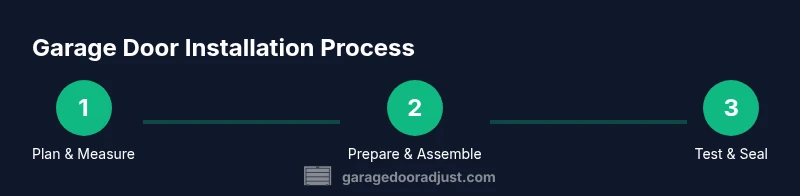
Step-by-step installation overview A high-level installation flow involves removing the old door (if present), mounting and leveling tracks, assembling door sections, attaching counterbalance springs, installing rollers, and finally wiring and testing the opener. Each step requires precise alignment and safety precautions due to spring tension and heavy lifting. Start with the header bracket and vertical tracks, then secure horizontal tracks and brackets. Install the torsion bar and springs with proper tension before mounting the door sections. Attach rollers, balance the system, and finally connect the opener, set travel limits, and test safety features.
Safety considerations and local regulations in Pasadena Safety should be the primary concern throughout a garage door installation pasadena ca. Always disconnect power before servicing the opener and springs, wear protective gear, and use clamps to stabilize components. Local regulations in Pasadena may require permits and inspections, so verify requirements before starting. Never attempt to unwind torsion springs without proper equipment or training, and never stand under or directly in line with moving doors. If you are uncertain about any step, consult a licensed professional.
Post-install maintenance and longevity A properly installed door will require periodic maintenance to maintain performance. Regularly lubricate hinges, rollers, and tracks with a silicone-based lubricant and inspect weather seals for wear or cracking. Check balance periodically by disconnecting the opener and manual lifting; the door should stay in a mid-position if balanced correctly. Clean the photo-eye sensors and ensure the opener’s safety features remain functional. With routine care and annual checkups, your door will operate smoothly for many years.
Budget planning, timelines, and next steps In many homes, a garage door installation pasadena ca is a mid-range home improvement project involving materials, hardware, and labor. Plan for a multi-hour to full-day process depending on the door type, whether a new opener is included, and whether structural modifications are required. If you hire a pro, obtain written quotes that specify parts, labor, and any permits. If you opt for DIY, ensure you have adequate tools, a solid plan, and a second helper to coordinate heavy lifting. In all cases, leave room in your schedule for safety checks and testing of the door’s balance and safety features.
Tools & Materials
- Tape measure(minimum 25 ft; for precise opening measurements)
- Level(to verify tracks are plumb)
- Carpenter square(for corner alignment)
- Drill with driver bits(for fasteners and mounting brackets)
- Socket set(for mounting hardware and springs)
- C-clamps(to secure tracks during assembly)
- Ladder(stable, tall ladder for ceiling work)
- Safety glasses(eye protection at all times)
- Work gloves(protect hands during lifting)
- Garage door lubricant(silicone-based for tracks/rollers)
- Weather sealing material(extra door edge seals or weatherstripping)
- Helper(assist with heavy lifting and alignment)
Steps
Estimated time: 2-4 hours
- 1
Prepare the opening
Clear the area, remove old hardware, and verify rough opening dimensions. Measure at multiple points to confirm height and width, and note any frame irregularities that could affect track mounting. Ensure the space is dry and free from debris.
Tip: Double-check ceiling clearance before ordering panels to avoid fitting issues. - 2
Install tracks and jambs
Position vertical tracks on the framing, verify plumb with a level, and shim as needed. Attach jambs and brackets securely to prevent movement during panel installation.
Tip: Use clamps to keep tracks aligned while fastening. - 3
Hang door sections
With a helper, lift the first door section into place and secure it to the tracks. Sequentially add sections from bottom to top, ensuring each panel seats fully in rollers.
Tip: Do not rush; misalignment now can cause binding later. - 4
Install springs and balance
Install torsion springs per manufacturer instructions and verify proper balance. This step requires caution due to high tension; consult a pro if uncertain.
Tip: Never attempt to unwind springs without proper tools and training. - 5
Mount the opener and wiring
Attach the opener rail to the ceiling, connect it to the door, and run wiring to power and safety sensors. Set travel limits and test the reversing mechanism.
Tip: Test with a small object under the door to verify safety reversal. - 6
Final checks and lubrication
Balance the door, lubricate hinges, rollers, and tracks, and seal gaps with weatherstripping as needed. Confirm all safety features function correctly and take a final test run.
Tip: Document the test results and keep paperwork for future maintenance.
Got Questions?
Do I need a permit for garage door installation in Pasadena?
In many cases, Pasadena requires permits for new garage doors and openers, especially if electrical work or structural changes are involved. Check with the city’s building department before starting.
Yes, a permit is often required in Pasadena for garage door installations, especially when wiring or structural changes are involved.
Is DIY installation safe for torsion springs?
Torsion springs are under high tension and can cause serious injury if mishandled. It’s strongly advised to hire a licensed professional for spring work and related adjustments.
No, torsion spring work should be handled by a professional due to high risk.
What maintenance should follow after installation?
Regularly lubricate moving parts, inspect weatherstripping, check door balance, and test safety sensors. Schedule a yearly check to keep the system operating smoothly.
Keep up with lubrication, weatherstripping checks, and safety sensor tests after installation.
How long does installation typically take?
Installation duration depends on door type and whether a new opener is included. Plan for a full-day session if you’re handling everything yourself, and allow extra time for inspections.
It varies, but a full installation can take most of a day, especially with a new opener.
What causes excessive noise after installation?
Noisy doors are often the result of misaligned tracks, worn rollers, or insufficient lubrication. Recheck track alignment and apply appropriate lubricant to all moving parts.
Most door noise comes from misalignment or dry parts; fix those and test again.
What about warranties?
Warranties typically cover parts and sometimes labor, depending on the installer and manufacturer. Read the warranty terms and keep receipts for future service.
Check the warranty terms with both the manufacturer and the installer.
Watch Video
Quick Summary
- Plan permits and measurements before buying parts.
- Choose materials and insulation suited to Pasadena climate.
- Don't skip safety testing after installation.
- Keep up with lubrication and seals for longevity.