Pasadena Garage Door Repair: A Homeowner's Step-by-Step Guide
Learn how to diagnose and fix common Pasadena garage door issues with a safe, homeowner-friendly guide from GarageDoorAdjust. Practical steps, tools, and when to call a pro.


This guide shows you how to diagnose and fix common Pasadena garage door repair issues, from jammed tracks to opener misfires. You’ll learn safe, step-by-step actions homeowners can perform before calling a pro, plus when to seek emergency help. Following these steps helps protect your family and keeps your door operating smoothly.
Why Pasadena garage door repair matters for safety and reliability
In Pasadena, a well-functioning garage door is a key part of home security and daily convenience. A door that sticks, opens crookedly, or stops mid-cycle can indicate worn components, misalignment, or unsafe conditions. The GarageDoorAdjust team notes that routine troubleshooting and timely maintenance reduce the risk of sudden failures and costly emergency service. Recognizing symptoms early and applying a structured repair approach helps homeowners restore reliability while preserving safety for family and pets. This is especially relevant in climates with temperature swings and humidity, which can affect tracks, springs, and rollers over time. The goal of this guide is to equip homeowners with clear, actionable steps that lead to a smooth, safe repair process for pasadena garage door repair problems.
Safety first: essential precautions before you touch the door
Before any inspection or adjustment, take safety seriously. Disconnect power to the opener to prevent unexpected movement, and wear protective eyewear and gloves. Never attempt to balance or tension springs yourself—these parts are under high loads and require professional tools and training. Use clamps or locking pliers on the tracks to prevent accidental door movement while you work. If the door shows signs of immediate danger (cracking, extreme weight, or the spring appears visibly stressed), exit the area and call a licensed technician. This safety-first mindset aligns with best practices recommended by industry resources and is echoed in GarageDoorAdjust guidance for pasadena garage door repair projects.
Common symptoms and what they usually indicate
Doors that squeak or grind can point to dry hinges or worn rollers. A track that is bent or misaligned often causes binding or off-track movement. An opener that won’t respond or reverses unexpectedly may indicate a sensor misalignment or a gear issue inside the opener. A door that won’t stay up or pulls down quickly usually signals balance or spring problems. Noting when the symptom occurs (temperature, after a storm, after heavy use) helps narrow down the root cause and informs the repair plan. This symptom-based approach is a cornerstone of effective pasadena garage door repair workflows.
Tools and parts you’ll likely need (and why)
Tracking alignment and roller wear are the most common culprits, so having basic hand tools and lubrication on hand speeds up the process. You’ll benefit from a ladder, a flashlight, screwdrivers (Phillips and flat), a socket wrench, pliers, and a silicone-based lubricant. For safety, keep a sturdy work area and ensure power is off to the opener. If a part shows signs of significant wear or damage (cracked torsion springs, severely bent tracks), plan to replace it rather than attempting a DIY repair. This section sets the stage for a structured pasadena garage door repair workflow.
Step-by-step diagnosis approach you can follow
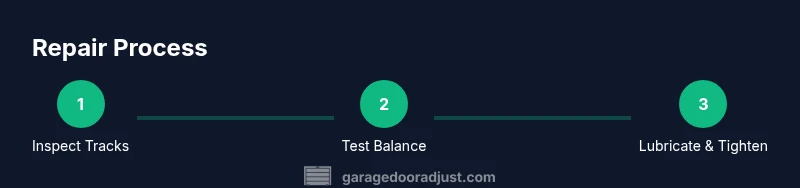
Start by visually inspecting the tracks and door balance. Check for loose mounting screws, bent channels, or foreign objects in the tracks. Test the door balance by lifting it halfway manually; it should stay put. If it drops or rises on its own, the springs or balance system likely need professional attention. Next, run the opener to observe the travel path and sensor alignment. Note any unusual noises during movement, which can indicate worn components like hinges, rollers, or springs. This diagnostic framework helps you determine whether a simple maintenance task will suffice or if a professional Pasadena garage door repair is necessary.
Maintenance and preventative steps you can take this season
Routine lubrication of moving parts (hinges, rollers, tracks) reduces friction and noise. Tighten loose screws on hinges and brackets to prevent misalignment. Keep sensors clean and aligned to ensure safe operation. Regularly inspect the door’s balance and torsion springs—if you notice sagging, binding, or irregular movement, arrange a professional inspection. A small weekly check can catch problems before they escalate, saving time and money on pasadena garage door repair.
When to call a professional and what to expect from a repair visit
If you encounter high-tension springs, suspect torsion issues, or the door is unbalanced and unsafe to operate manually, contact a licensed technician. A pro will perform a controlled balance test, inspect springs and cables, and verify track alignment. They will provide a written estimate and explain the required parts and labor. For Pasadena homeowners, working with a reputable local service—such as GarageDoorAdjust—helps ensure the repair addresses root causes, uses quality parts, and adheres to safety standards. This approach minimizes the risk of gaps in service and recurring problems.
Costs, timelines, and planning for pasadena garage door repair projects
Costs vary based on the parts needed and the complexity of the repair. Common factors include the type of door, track condition, spring type, and whether sensors or the opener motor require service. For planning purposes, expect a repair timeline from a few hours for a basic adjustment to a full day for a more involved spring or track replacement. Always obtain a written estimate that itemizes parts, labor, and any potential additional costs. In the Pasadena area, a structured repair plan helps homeowners budget and reduce surprises, while ensuring safety and quality standards.
Tools & Materials
- Safety glasses(Protect eyes from debris and springs.)
- Work gloves(Grip and protect hands during handling.)
- Ladder (stable, 6-8 ft)(Access tracks and hinges safely.)
- Screwdrivers (Phillips and flat)(Remove screws on brackets and plates.)
- Socket wrench set(Tighten mounting hardware.)
- Pliers (needle-nose)(Grip components and remove pins.)
- Silicone-based lubricant spray(Lubricate hinges, rollers, and tracks.)
- Clamps or locking pliers(Secure tracks during inspection.)
- Replacement rollers or hinges (optional)(Only if wear is evident.)
- Multimeter or voltage tester (optional)(Safely test opener wiring if needed.)
Steps
Estimated time: 60-90 minutes
- 1
Disconnect power and secure the door
Turn off the garage door opener at the wall switch and unplug the unit or switch off the circuit. Use clamps on the tracks to prevent movement while you inspect. This keeps you safe from sudden door motion.
Tip: Never rely on the wall switch alone; double-check the breaker is off. - 2
Check door balance manually
Lift the door about halfway and release. If it stays in place, balance may be OK; if it drifts, there may be an issue with springs or balance components. Do not attempt to adjust springs yourself.
Tip: If the door is heavy or feels unbalanced, plan a professional service. - 3
Inspect tracks for alignment and damage
Look for bent or loose tracks and any debris obstructing the path. Use a level to confirm tracks are plumb. Misaligned tracks are a common cause of binding and noisy operation.
Tip: Do not force misaligned tracks; slight adjustments require care. - 4
Inspect and test rollers and hinges
Check rollers for flat spots or cracks and hinges for looseness. Worn rollers reduce smoothness and can increase wear on tracks. Replace any damaged rollers or hinges if needed.
Tip: Lubricate moving parts only with silicone-based products; avoid grease on nylon rollers. - 5
Test safety sensors and opener function
With door closed, test the safety sensors to ensure the beam is unobstructed and aligned. Reconnect power and run the opener to observe travel and reversal behavior. Address any misalignment before normal use.
Tip: Keep the sensor lenses clean and unobstructed. - 6
Tighten and secure hardware
Tighten all mounting screws on brackets, hinges, and tracks. Loose hardware can cause misalignment and noise. After tightening, re-check track alignment.
Tip: Do not overtighten; metal can strip or warp. - 7
Lubricate moving parts
Apply a light coat of silicone-based lubricant to hinges, rollers, and track joints. Wipe away excess to avoid attracting dust. Lubrication reduces friction and prolongs component life.
Tip: Avoid lubricating the torsion springs directly. - 8
Reconnect power and perform a test run
Plug the opener back in or restore power and run a full cycle. Listen for unusual noises and observe smooth movement. Stop if anything feels unsafe or unstable.
Tip: Record any irregularities to share in an estimate. - 9
Assess results and schedule professional help if needed
If symptoms persist after these steps, schedule a professional pasadena garage door repair visit. A pro can confirm balance, replace springs, and ensure compliance with safety standards.
Tip: Keep a maintenance log for future reference.
Got Questions?
Is it safe to work on a garage door by yourself?
DIY work can be safe for basic maintenance like lubrication and cleaning, but avoid high-tension tasks such as spring adjustments. If you’re unsure about any step, stop and call a professional. Safety is the priority.
DIY work is safe for simple maintenance, but never adjust springs yourself. If unsure, call a pro.
When should I replace the torsion springs?
Torsion springs should be replaced only by a licensed technician due to high tension and safety risks. Signs of wear include frequent broken springs, visible gaps, or misbalanced door movement.
Spring replacement should be left to a licensed technician because it’s dangerous.
Will a noisy door always indicate a major problem?
Noise often indicates dry hinges, worn rollers, or loose hardware rather than a major failure. Regular lubrication and tightening usually reduce noise, but persistent clunks deserve inspection.
Noise is common, but persistent sounds should be checked.
Can I fix the opener without a professional?
Some opener issues, like sensor alignment or button replacement, can be DIY. If the opener motor is overheating or the circuit board shows damage, call a pro. For safety and reliability, professional evaluation is wise when in doubt.
Some opener fixes are DIY, but complex issues need a pro.
How do I arrange a professional assessment in Pasadena?
Contact a licensed technician in your area and request a written inspection and estimate. Compare several quotes and ensure the provider follows safety standards and local codes. GarageDoorAdjust can help coordinate reliable pasadena garage door repair.
Call a licensed tech, get written estimates, compare quotes.
Watch Video
Quick Summary
- Safety always comes first; power off before DIY tasks
- Balance and tracks determine door reliability
- Lubricate and secure hardware to reduce wear
- Know when to call GarageDoorAdjust for Pasadena garage door repair