Farmhouse Garage Doors: A Step-by-Step DIY Guide
Learn how to choose, install, and maintain farmhouse garage doors that blend rustic charm with modern reliability. A step-by-step guide covers design, materials, insulation, and safety for lasting curb appeal and performance.


By following these steps, you’ll successfully install or repair a farmhouse garage door that blends rustic charm with reliable operation. The process covers measuring for a proper fit, selecting authentic panel styles, aligning tracks, and ensuring weather seals are tight. Essential safety checks and a clear tools list help you avoid common mistakes and finish with a durable, look-perfect door.
Why farmhouse garage doors matter in curb appeal
Farmhouse garage doors are more than a utility; they frame your home’s first impression. When you pick a door with authentic carriage-house styling, exposed hardware, and a warm wood tone, you echo a timeless aesthetic that many modern homes crave. According to GarageDoorAdjust, the right door blends rustic charm with reliable operation, harmonizing with board-and-batten siding, stone accents, and white or cream trim. The aim is balance: you want the door to look substantial without overpowering the façade. Consider your climate and neighborhood context: in sunny climates, lighter finishes can reflect heat, while darker stains may highlight grain patterns. Window choices also affect the look. Small features, such as decorative hinges or faux strap-tension hardware, can elevate the entire design. If you’re renovating an older barn or a new house with a country vibe, a farmhouse door helps unify exterior materials and create curb appeal that lasts for years. With thoughtful selection, your door becomes both a design anchor and a practical entry point.
Design elements that scream farmhouse charm
A true farmhouse door eschews sleek minimalism in favor of texture, depth, and character. Look for panel configurations that resemble carriage doors: broad vertical panels or raised rectangles, often divided into four to eight sections. Weathered or matte paint, whitewash, and natural wood finishes all work, but the key is a muted palette that complements siding and roofing. Hardware finishes matter: black iron, antique brass, or oiled bronze hinges and handles read as farmhouse authenticity; avoid chrome shine that clashes with rustic aesthetics. Window options, if used, should be small and divided, such as a row of four-light or six-light panels rather than a single large pane. Proportions matter too: doors that fill the opening with generous headroom and balanced proportions read as sturdy and timeless. Consider adding decorative trim or vertical boards beyond the main panel to mimic traditional barn doors. Finally, durability is essential: choose materials and finishes that resist weathering and require minimal maintenance.
Materials: wood, steel, and composites for farmhouse doors
Wood doors offer the most authentic farmhouse feel, with cedar and pine common choices. They deliver warmth and rich grain but require regular sealing to resist moisture and sun exposure. If you prefer lower maintenance, steel doors with wood-grain embossed textures or fiberglass composites can mimic real wood while offering enhanced longevity. Each material has trade-offs: wood can warp in extreme humidity, steel may dent, and composites hold up best in variable climates. For exterior doors, choose rot-resistant cores, silicone-sealed joints, and UV-resistant finishes. If you want a sustainable option, look for responsibly sourced wood and low-VOC finishes. Finishes like clear sealants or light stains help preserve natural grain, while white or tinted paints provide durable color protection. Whichever material you choose, plan for long-term care: repaint or reseal every few years, inspect for cracks or delamination, and touch up hardware finishes to keep the door looking cohesive with the home.
Panel styles and window options
Carriage-house inspired panels with alternating raised sections create the quintessential farmhouse silhouette. For a traditional look, select doors with vertical panels and multiple light windows along the top. If privacy is important, choose solid panels with decorative hardware rather than glass inserts. Window shapes vary from square to rectangular, with small divided lights that echo colonial design. When selecting windows, consider energy efficiency—low-e glass and insulated frames help regulate garage temperatures. Poured or routed trim around the panels adds depth and a hand-crafted feel. Hardware finishes should reflect the era you’re emulating; matte black, aged bronze, or antique brass work well with white or gray exterior colors. If you’re retrofitting an existing door, ensure the new style aligns with the current opening width and headroom; oversize panels may require structural adjustments to maintain proper operation.
Insulation, weather sealing, and energy considerations
Despite the rustic look, many farmhouse doors benefit from modern insulation. Insulation R-values depend on the door type and construction; insulated steel and composite doors reduce heat loss far more than hollow-core alternatives. Add weatherstripping along the bottom and sides; choose an adjustable threshold to block drafts and water ingress. A well-sealed door operates more quietly and reduces home energy use, particularly in extreme temperatures. When choosing insulation, look for foam cores with rigid skins and UV-resistant exterior coatings. For openings with wide headroom, consider adding storm panels or insulating blankets for extra thermal performance. Don’t overlook the garage ceiling and ceiling joints; attic insulation and proper ventilation guide reduce condensation and maintain stable temperatures in adjacent spaces. Finally, verify that seals remain intact after seasonal changes; replace damaged seals promptly to prevent moisture and pest intrusion.
Sizing, fit, and hardware basics
Start with precise rough opening measurements—width at three points, height at three points, and headroom. Record the smallest width and height; design your door to fit within those constraints and plan for shim space. The door system includes tracks, springs, rollers, hinges, and seals; each element must work together to balance weight and movement. Hardware selection should match the door style and the environment; exterior-grade screws and corrosion-resistant finishes extend life. A common mistake is under- or over-tightening fasteners, which can warp panels or misalign tracks. Before ordering or fabricating a new door, verify all clearances around the opening: side space for tracks, top clearance for opening force, and space for eventual hardware installation. If you’re retrofitting, you may need to modify framing or add reinforcement to ensure studs and headers bear door weight.
Step-by-step overview for installation or retrofitting
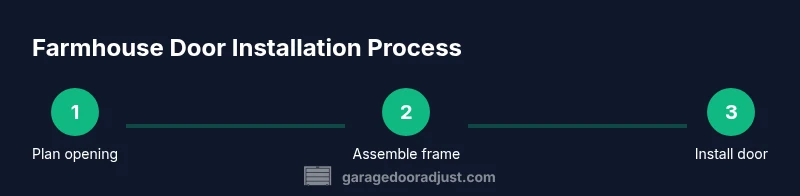
Preparing for a farmhouse door project involves careful planning, especially if you’re upgrading insulation or replacing panels. Start with precise measurements, check existing structural support, and confirm available headroom for the door’s height. Gather compatible hardware and a suitable opener, if you intend to automate. Visualize the finished look and align it with your home’s architectural cues. A clear plan reduces on-site surprises and speeds up assembly, ensuring weather seals and alignment are correct from the first fit.
Maintenance routines to extend life
Maintenance is the easiest way to protect a farmhouse door from weather, humidity, and wear. Schedule monthly checks of weatherstripping and bottom seals, and inspect hardware finishes for corrosion. Clean tracks and rollers every few months to prevent dirt buildup that slows operation. Lubricate moving parts with a silicone-based lubricant, avoiding oil-heavy products that attract dust. Seasonal checks are wise: look for cracks in wood, peeling paint, or rust on metal components, and address problems promptly to prevent bigger failures. When you paint or stain, choose exterior-grade products with UV protection and low VOC emissions for better longevity and indoor air quality.
Finishing touches and long-term care
Paint, stain, and hardware finishes can dramatically influence the farmhouse look. A light, breathable stain on natural wood highlights grain without requiring frequent refinishing, while durable paints protect against sun and moisture. Hardware should coordinate with exterior fixtures—black iron handles and hinges create a classic contrast on light-colored doors, while brass tones pair well with earthier palettes. Keep hardware polished but allow patina to develop for authenticity. Finally, maintain consistency with adjacent features: gutter lines, trim, and shutters should echo the door’s color family or metal tones for a cohesive, inviting exterior.
Tools & Materials
- Measuring tape (at least 25 ft)(Use to verify rough opening width, height, and headroom; record multiple measurements at different points.)
- Level (long)(Ensure tracks are plumb and door panels sit evenly.)
- Cordless drill with bits(Include Phillips and hex bits; 3/16" and 1/4" bits for hardware.)
- Screwdriver set(Have both flathead and Phillips for various fasteners.)
- C-clamps or locking pliers(Hold panels in place during assembly.)
- Safety gear: goggles and work gloves(Protect eyes from debris; gloves prevent splinters and sharp edges.)
- Weatherstripping kit(Seal sides and bottom; choose adjustable thresholds for drafts.)
- Lubricant (silicone spray) for tracks(Prevent sticking and reduce noise without attracting dust.)
- Insulation panels or blankets (optional)(Use if upgrading to improve energy efficiency; compatible with door type.)
Steps
Estimated time: 4-8 hours
- 1
Measure and plan the opening
Take precise width at three points, height at three points, and headroom. Record the smallest width and height to ensure a proper fit and plan shim space. This helps prevent track misalignment later.
Tip: Double-check measurements with a second person to catch any discrepancies. - 2
Gather and verify parts and tools
Lay out tracks, springs, rollers, hinges, seals, and the chosen door sections. Confirm all components match the door model and opening. Having everything ready avoids mid-project interruptions.
Tip: Organize parts by step so you can grab what you need without sorting mid-build. - 3
Remove existing door and hardware
Carefully detach panels, tracks, and hardware. Work with a partner if panels are heavy; support weight to avoid dropping pieces. Dispose or store parts according to your plan.
Tip: Keep track of screws and small parts in labeled containers. - 4
Install frame and tracks
Mount the door frame, secure vertical tracks plumb, then install horizontal tracks. Check alignment with a level at multiple points. Ensure there is smooth clearance for rollers.
Tip: Use shims behind tracks where needed to maintain perfect plumb. - 5
Attach springs and safety devices
Install springs according to the manufacturer’s instructions. Attach safety cables or other restraint mechanisms as specified. This step is hazardous and may require a pro—do not improvise.
Tip: If you’re unsure, pause and consult a professional before proceeding. - 6
Hang door sections and balance
Lift and anchor door sections onto the tracks. Check weight balance and ensure even gaps along the sides. Tighten hardware incrementally while verifying smooth operation.
Tip: Work gradually and test balance frequently to avoid binding. - 7
Seal, insulate, and weatherstrip
Apply bottom weatherstripping and side seals. Install insulation blankets or panels if chosen. Ensure no gaps that could cause drafts or moisture ingress.
Tip: Seal all visible seams with weather-resistant sealant for best performance. - 8
Install opener or retrofit
If using a power opener, mount the header bracket and connect the rail system. Adjust force and travel limits; wire the safety sensors per code. If operating manually, confirm smooth manual operation before finishing.
Tip: Test reverse sensing to ensure safety features function correctly. - 9
Test, adjust, and finalize
Open and close several times, observe track alignment, panel gaps, and sealing. Make final adjustments to balance, tension, and fasteners. Clean the area and store extra parts.
Tip: Document adjustments for future maintenance and any brand-specific notes.
Got Questions?
What defines a farmhouse style garage door?
Farmhouse doors mimic traditional carriage-house designs with decorative hardware, raised panels, and wood-like finishes. They blend rustic charm with modern durability for everyday use.
Farmhouse doors mimic old carriage-house designs with panels and hardware for a rustic, durable look.
Can I retrofit insulation to an existing door?
Yes, you can improve comfort by adding insulated panels or inserts and applying weather-stripping. For steel doors, look for insulating inserts or a laminated panel system designed for retrofit.
Yes—adding insulated panels and weather-stripping can boost comfort; for steel doors, check for insulating inserts.
How long does a farmhouse door installation usually take?
Time varies by door size and structure. A straightforward retrofit may take half a day; a full replacement could stretch to a full day depending on framing and hardware.
It varies, but expect half to a full day for a typical project.
What safety precautions are essential?
Disconnect power to the opener, wear PPE, and never work under a door supported only by one hinge. Use proper lifting techniques and have a second person assist with heavy panels.
Disconnect power, wear PPE, and work with a partner when lifting heavy panels.
Do I need a new opener for farmhouse doors?
Not necessarily. Many farmhouse doors work with standard openers. You may need to adjust force limits or install a taller rail system if door height exceeded typical models.
A new opener isn't always required; you can often adapt your current one with proper adjustments.
What monthly maintenance should I perform?
Lubricate moving parts, check balance, inspect weather seals, and test safety features. Clean rails and tracks to prevent dirt buildup that reduces performance.
Lubricate parts, check balance, inspect seals, and keep tracks clean.
Watch Video
Quick Summary
- Measure precisely before selecting a door or ordering parts.
- Choose panel styles and hardware that reflect authentic farmhouse charm.
- Prioritize insulation and weather seals for energy efficiency.
- Follow safety guidelines and use proper lifting techniques.
- Schedule routine maintenance to extend door life.