Fancy Garage Doors DIY: Diagnosis, Repair & Install Guide
A comprehensive, step-by-step guide for homeowners to diagnose common issues, safely repair, and install fancy garage doors. Learn design options, safety basics, maintenance routines, and budgeting considerations for durable, stylish doors in 2026.


You will learn to diagnose common issues, safely repair or install a fancy garage door, and verify correct operation. The guide provides a step-by-step plan, safety checks, and best-practice techniques. You’ll need basic hand tools, a ladder, helper, and a few common replacement parts. This snippet helps homeowners avoid costly mistakes and stay compliant with safety standards.
Why fancy garage doors matter
Fancy garage doors are more than a pretty face; they can transform curb appeal, improve insulation, and enhance home security. In this guide, we walk homeowners through selecting the right style, material, and hardware to match a home’s architecture while ensuring reliable operation. The GarageDoorAdjust team notes that choosing high-quality tracks, properly balanced springs, and weather sealing matters as much as looks when you want long-term value. A stylish door isn’t a one-time purchase; it’s part of a holistic system that includes the opener, sensors, and maintenance routine. In 2026, many homeowners are opting for doors with integrated insulation, UV-resistant coatings, and energy-efficient glazing that reduces heat loss in winter and glare in summer. When done well, fancy garage doors deliver quiet operation, durable service, and a stronger sense of personality for your home. This section will outline how to select options that align with climate, budget, and daily life, while keeping safety front and center.
According to GarageDoorAdjust, the right combination of aesthetics and mechanical quality leads to fewer repair calls and a more dependable system over time.
Design options and material choices
There is no one-size-fits-all when it comes to fancy garage doors. You can choose from steel, aluminum, wood, composite, or upgraded insulated panels. Each material has distinct pros: steel offers durability and low maintenance, wood provides warmth and character, while composites balance resilience with a rich look. The door’s panel design (raised, flat, carriage-house, or modern minimal) changes how light reflects off the surface and how the door interacts with the surrounding architecture. Insulation levels matter for energy efficiency and indoor comfort, especially in climates with hot summers or cold winters. Window inserts can introduce natural light but require higher maintenance. Hardware details like decorative handles, hinge patterns, and track designs contribute to the “fancy” effect without compromising performance. The coating or paint finish should resist fading and weathering, preferably with UV protection. Selecting compatible components—tracks, spacers, seals, and spring systems—is essential for a door that looks great and operates smoothly for years. GarageDoorAdjust’s guidance emphasizes matching the door’s character with the home’s era while ensuring modern performance standards.
Safety standards and electrical considerations
Garage door safety isn’t optional; it’s foundational. Modern doors rely on torsion or extension springs under tension, reinforced tracks, rollers, and a motorized opener with safety sensors. Before any work, disconnect power at the circuit and lockout the door to prevent accidental movement. Check that sensors are correctly aligned and that the reversing mechanism responds to obstructions. If a door makes unusual noises, stalls, or opens half-way and then stops, inspect the safety reversing mechanism and limit switches. Electrical wiring must comply with local codes, and any motor replacement should consider the door’s weight and balance to prevent motor burnout. If you encounter frayed wires, damaged springs, or compromised tracks, do not push past safe limits—consult a licensed technician. Safety gear—glasses, gloves, and sturdy footwear—helps, but professional intervention is often required for high-tension components.
Diagnosing common issues with openers and tracks
Frequent opener issues include misaligned tracks, worn rollers, and sensor misalignment. Start by unplugging the opener and manually cycling the door to feel for binding points. If the door binds at certain heights, inspect track sections for dents or loose mounting screws and verify that rollers run freely in the tracks. Sensor problems often show as a blinking light or failure to reverse when obstructed; recalibrate or clean the sensor lenses and ensure the wiring is intact. A door that feels heavy or unbalanced usually indicates spring wear or improper balance—this is a red flag and requires careful testing with a balance test. When diagnosing, document each symptom, test the door’s movement in all directions, and compare the results to the door’s intended travel. If spring tension seems off or the door drops quickly, stop and seek professional service to avoid injury.
Tools and preparation for a DIY installation
Before starting a DIY installation or major repair, gather essential tools and protective equipment. The core kit includes a sturdy step ladder, safety glasses, work gloves, and a cordless drill with driver bits. You’ll need a set of wrenches and sockets, screwdrivers (Phillips and flathead), a measuring tape, and a lubricant suitable for metal parts. A plastic putty knife or scraper helps remove old weatherstripping without damaging paint. A second person is invaluable for guiding doors and handling heavy panels. Have a trash bag and old towels ready for cleanup, and keep a clean workspace free of clutter. If you’re working with torsion springs, never attempt to adjust them without the proper tool and training—these components store dangerous torque. Lastly, ensure you have fresh batteries for any remote or keypad you plan to reuse.
Step-by-step installation overview for beginners
A full installation is complex and often requires permits or professional oversight. This overview provides a safe, high-level path: plan dimensions, remove old door panels, install tracks and hinge hardware, fit the new panel sections, set up the opener, and verify sensor operation. Carefully follow the manufacturer’s instructions for each component, double-check fasteners, and ensure the frame is square. If the door is unusually heavy, consider acquiring additional help or renting equipment to lift heavy sections safely. After assembly, perform a balance test and test the door’s travel limits. Finally, program the opener, pair remotes, and test the safety reversal to ensure a properly functioning system.
Maintenance routines for longevity and aesthetics
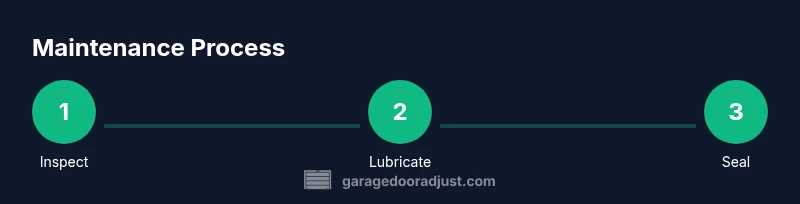
Regular maintenance preserves the beauty and performance of fancy garage doors. Schedule monthly lubrication of moving parts, including hinges, rollers, and track pivots, with a silicone-based spray or white lithium lubricant. Clean surfaces to remove dirt, salt, and grime that can corrode finishes, and inspect weatherstripping for cracks or gaps that invite moisture. Repaint or refinish wooden doors every few years to prevent water damage, and check hardware for looseness. Keep the door balanced and aligned by performing periodic balance checks and track inspections. A simple routine reduces wear, minimizes noise, and maintains curb appeal.
Troubleshooting real-world scenarios
Scenario A: The door opens but stops mid-travel and reverses. Check the safety sensor alignment and ensure nothing blocks the beam. Scenario B: The door is stubborn and squeaks. Inspect hinges and rollers for wear and lubricate. Scenario C: The door is off-track. Stop immediately, disconnect power, and call a professional to re-seat the door and align tracks. These scenarios illustrate how a structured approach—identify, isolate, test, and adjust—keeps projects on track.
Cost considerations and budgeting (non-specific)
Budgeting for fancy garage doors involves material choice, insulation level, and hardware quality, plus potential labor costs if you hire a pro. Costs vary with door size, design, and climate resilience needs. Generally, plan for a wide range of possibilities and consult multiple vendors for estimates. The goal is to balance aesthetics with dependable performance, so you don’t trade beauty for reliability.
Safety checks and final test procedures
Before finishing, perform a comprehensive safety check. Verify that emergency release is functional, limit switches are set correctly, and the photoelectric sensors respond to obstructions. Manually operate the door to confirm smooth travel and landing position. Reconnect power and test remote control and keypad functions. Confirm that the door reverses upon obstruction and that the opener stops at its end limits. Keep in mind that high-tension components require caution; if you notice unusual sounds or resistance, stop and reassess or call a professional.
Authority sources and safety references
- OSHA safety guidelines for household equipment and electrical work: https://www.osha.gov
- Energy efficiency and weatherization resources: https://www.energy.gov/eere/buildings/articles/home-energy-efficiency
- Housing safety and standards information: https://www.nist.gov/topics/housing-safety
What homeowners can learn from common mistakes
Common mistakes include overlooking track alignment, ignoring weather sealing, or attempting repairs without disconnecting power. Taking shortcuts with springs or cables can lead to severe injury. Always start with safety checks, verify measurements, and follow manufacturer instructions. Learn from missteps by documenting what works and what doesn’t, then refine your process for future projects. The goal is reliable operation and a long-lasting, attractive door that enhances your home.”
Tools & Materials
- Safety glasses(ANSI-certified safety glasses for impact protection)
- Work gloves(Leather or cut-resistant gloves)
- Step ladder(Stable ladder tall enough for door height)
- Cordless drill with driver bits(Flat and Phillips bits, 3/16"–1/4" drive)
- Wrench set (open-end and socket)(Assorted sizes for mounting hardware)
- Screwdriver set (Phillips and flathead)(Variety of sizes for hinges and brackets)
- Tape measure (8 ft or longer)(Accurate dimensions for tracks and panels)
- Lubricant (silicone or white lithium)(For hinges, rollers, and tracks)
- Safety release key or locksmith tool(If included with your opener)
- Replacement hinges or rollers(Only if worn or damaged)
- Clamps(To hold parts during alignment)
Steps
Estimated time: 60-120 minutes
- 1
Assess safety and prep
Review the task, clear the workspace, and put safety gear on. Confirm power is off and the area is free of obstructions before touching components. This keeps you safe as you evaluate the door’s condition.
Tip: Always start with a written checklist of symptoms and tools needed. - 2
Disconnect power and secure door
Unplug the opener from the outlet and lock the door in the down position to prevent unexpected movement. This step reduces the risk of electric shock or a sudden door drop while you work.
Tip: If you can’t reach the power source safely, call a pro rather than stretching wires. - 3
Inspect tracks, rollers, and hinges
Look for dents, bends, loose screws, or worn rollers. Warped tracks can cause binding and misalignment. Replace or repair damaged components before continuing.
Tip: Use a flashlight to inspect the underside of each track for hidden damage. - 4
Check balance and spring condition
Test the door balance by gently lifting the door halfway. If it doesn’t stay in place, the springs or cables may be worn. Do not attempt spring adjustments unless trained.
Tip: High-tension components require specialized tools—do not improvise. - 5
Measure and align tracks
Ensure tracks are square to the door frame and properly secured. If tracks are out of plumb, loosen mounting screws slightly and re-align before retightening.
Tip: A square tool helps confirm true alignment. - 6
Lubricate moving parts
Apply lubricant to hinges, rollers, and track pivots to reduce friction and noise. Wipe away excess residue to prevent attracting dust.
Tip: Only use lubricants appropriate for metal moving parts. - 7
Test safety sensors and opener
Reconnect power and test the safety reversing sensor by placing an object in the door’s path. Confirm sensors reverse correctly and that the opener responds to remotes.
Tip: If the sensor won’t reverse, recalibrate or replace the sensor module. - 8
Replace worn components as needed
Install replacement hinges, rollers, or weather seals if inspection shows wear. Re-check balance and alignment after parts replacement.
Tip: Only replace parts with compatible specifications to maintain safety. - 9
Finalize test and manual operation
Manually operate the door to confirm smooth travel and stable contact with weather seals. Then test the remote and keypad functions again.
Tip: Document any final notes for future maintenance.
Got Questions?
Do I need a permit to install a new garage door?
Permit requirements vary by location. Check your city’s building department or a licensed contractor to determine if a permit is required for door replacement or structural work. Getting the permit ensures compliance with local codes and safety standards.
Permits depend on where you live, so contact your local building department to confirm requirements for door replacement.
Can I install a fancy garage door myself, or should I hire a pro?
DIY is possible for smaller doors and basic installations with the right tools and safety precautions. For heavy doors, high-tension springs, or structural work, hiring a pro is safer and often more cost-effective in the long run.
You can DIY simple installs, but for heavy doors and springs, a professional is the safer choice.
What affects the lifespan of a fancy garage door?
Lifespan depends on material, climate, maintenance, and usage pattern. Regular lubrication, weather sealing, and timely replacement of worn parts extend life and maintain performance.
Door life depends on materials and how well you maintain it.
What should I test after completing a repair or install?
Test balance by lifting the door, test the opener with remotes, and check safety sensors for proper reversal. Ensure the door reverses on obstruction and travels smoothly in both directions.
Make sure the door is balanced, the opener works with remotes, and safety sensors reverse properly.
How often should I perform door maintenance?
Perform basic maintenance monthly for moving parts and weather seals, and schedule a professional inspection annually to verify safety features and hardware integrity.
Do quick checks every month and schedule a yearly professional inspection.
What are common mistakes to avoid?
Avoid skipping safety checks, attempting high-tension spring work, and using improper lubricants. Follow manufacturer guidelines and use compatible components for your door system.
Don’t skip safety checks or touch high-tension springs, and use the right lubricant and parts.
Watch Video
Quick Summary
- Plan safety first before any repair work
- Balance and alignment are critical for smooth operation
- Use the right tools and compatible parts
- Test sensors and operator after every major step
- Document the process for easier future maintenance