Modern Garage Doors: A Step-by-Step Diagnostic Guide
Learn how to diagnose, repair, and install modern garage doors with a clear, step-by-step approach. Safety, maintenance, and practical guidance for homeowners to improve reliability and energy efficiency.


With this guide, you will diagnose common issues with modern garage doors and restore smooth operation through safe, proven steps. You’ll learn a practical diagnostic process, the tools you need, and when to replace worn parts. This approach prioritizes safety, efficiency, and long-term reliability for homeowners. It also outlines immediate checks, safety precautions, and a clear failure-proof path for common door and opener problems.
Understanding the Modern Garage Doors Landscape
Today’s modern garage doors blend aesthetics, durability, and smart performance. The term modern garage doors covers a range of materials—steel, aluminum, wood composites, and fiberglass—each with its own balance of insulation, maintenance, and curb appeal. Insulated sections with polyurethane cores improve energy efficiency and reduce noise, while multi-layer designs minimize heat transfer in cold climates. Safety standards have evolved, pushing continuous improvements in springs, tracks, sensors, and emergency release mechanisms.
For homeowners, the practical takeaway is simple: a well-balanced, properly lubricated, and correctly aligned door lasts longer and runs quieter. Regular visual checks can catch wear early: look for frayed cables, peeling paint, rust at fittings, or uneven gaps where the door meets the frame. In the realm of repair and replacement, the choice of door style (panel, raised, carriage-house) and operating system (manual vs automated) affects installation time, costs, and maintenance needs. The GarageDoorAdjust team emphasizes that understanding your specific door type helps you predict service intervals and avoid unnecessary parts replacement.
Key Components to Inspect When Diagnosing Issues
A structured inspection helps you separate symptoms from root causes. Start with the door itself: examine the panels for cracks, misalignment, or warping, and check the tracks for dents or obstructions. Inspect hardware such as roller wheels, hinges, and brackets for wear or looseness. If you have an automatic opener, test safety sensors, limit switches, and the remote receiver. Don’t forget the spring system; while torsion and extension springs are resilient, they carry high tension and require proper handling.
Keep a log of observed issues and dates. This habit improves decision-making about maintenance versus replacement and helps you spot recurring problems. If you notice unusual noises, binding, or slow travel, note the location and time of day. The goal is to identify whether the problem lies with the door, the track alignment, or the opener mechanism.
Safety First: Shutting Down Power and Avoiding Injuries
Before starting any inspection or repair, disconnect power to the garage door system to prevent unexpected movement. If you have a smart opener, disable the automatic open/close function from the app and unplug the opener’s motor. Use a sturdy ladder and wear impact-rated safety goggles and gloves. Never place fingers between moving parts, and avoid attempting to lift a door by yourself if it feels heavy or unevenly balanced. If a spring or cable feels tense or you hear popping sounds, stop and call a professional.
Safe setup also means keeping children and pets away from the work area and ensuring you have a clear, well-lit space. A temporary support or clamp can stabilise the door while you assess components, but never rely on makeshift supports for heavy doors.
The Diagnostic Framework: How to Approach Repairs
Create a simple decision tree to guide repairs. Start with the most common causes—out-of-balance door, misaligned tracks, or worn rollers—and move toward less frequent issues like damaged panels or a faulty opener. Validate each hypothesis with a quick test: manually lift the door (when safe) to assess balance; listen for friction or grinding sounds; observe the door’s travel from full open to full closed. Document results and verify after each adjustment.
Use this framework to decide between lubrication, realignment, part replacement, or complete door/opener replacement. Keeping changes incremental helps you quantify results and avoid unnecessary parts changes. The key is to validate fixes with multiple tests over several cycles.
Tools and Materials You’ll Need for Basic Diagnostics
A robust set of tools makes diagnosis smoother and safer. Essential items include a sturdy ladder, safety glasses, work gloves, a flashlight with extra batteries, a cordless drill, and a small socket set. A clean rag and penetrating oil help with stubborn fasteners, while a magnet picks up dropped screws from hard-to-reach spots. For quick track realignment, a reference tape measure and a level are helpful. Always start with non-destructive tests before moving to component replacement.
Keep your workspace tidy and remove any loose debris from tracks and hardware. A simple organization system for fasteners and small parts reduces the chance of misplacing pieces during reassembly.
Step-by-Step Diagnostic Approach for Common Problems
A practical approach to diagnosing issues covers the most frequent scenarios: misaligned tracks, worn rollers, and unbalanced doors. Begin with a visual inspection, then perform a controlled test of the door's travel with the opener disconnected. If the door stalls or binds, check track alignment first, then track obstructions. If the door opens slowly or with grinding, inspect the rollers and hinges for wear. Regularly assess spring tension, but do not attempt adjustments beyond your training.
This methodical approach helps you prioritise fixes that restore function while minimizing risk. Always re-test after each adjustment and keep notes for future reference.
Lubrication and Routine Maintenance for Smooth Operation
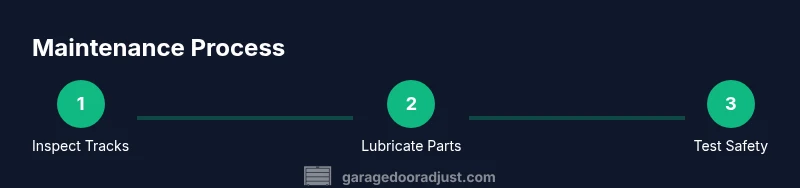
Lubrication is one of the simplest ways to extend door life and reduce noise. Apply silicone-based spray or a light lithium-based lubricant to all moving metal components: rollers, hinges, bearings, and track joints. Wipe away excess to prevent dust accumulation, which can counteract lubrication. Focus on areas where metal rubs against metal and where the track bends. Schedule maintenance every 6 months in moderate climates, or quarterly in high-use environments.
In addition to lubrication, inspect weather seals and track endpoints. A well-sealed door reduces energy loss and reduces moisture intrusion that can accelerate wear. Create a simple maintenance calendar and set reminders for replacements of worn cables or rollers.
Replacing Components: When and How to Do It Safely
Not every symptom requires full replacement. Identify worn components like rollers, hinges, weather seals, and end brackets as potential fix candidates. For doors with visible track damage, tracks can sometimes be straightened or replaced in sections. Springs and cables, however, demand specialized tools and training due to stored energy; these parts are best left to professionals. If the door’s sections are warped or the insulation is degraded beyond repair, replacement may be the most cost-effective option in the long run.
When replacing parts, match the material and finish to your existing door to avoid mismatched aesthetics and performance. After any replacement, verify alignment and run several cycles to confirm smooth operation.
Noise Reduction and Alignment for Quieter Doors
Quieter operation often stems from proper alignment and lubrication. Loose hardware or misaligned tracks can create grinding or banging sounds. Tighten bolts and brackets to factory specs, then recheck track alignment with a level. If noise persists, inspect rollers for wear and consider upgrading to nylon or composite rollers that run more quietly. Ensure that the door closes fully and that sensors are correctly aligned to prevent abrupt stopping.
For best results, pair alignment fixes with lubrication and weather-stripping checks. A well-maintained door not only operates quietly but also lasts longer and consumes less energy.
Insulation, Weatherstripping, and Energy Efficiency
Modern garage doors with good insulation reduce heat loss in winter and heat gain in summer. Check insulation on door panels and ensure seals around the door perimeter are intact. Replace worn weatherstripping to improve energy efficiency and prevent drafts. For attached garages used as workspaces, upgrading to insulated doors can improve comfort and reduce utility costs over time.
When considering insulation upgrades, factor in door type, thickness, and climate. Some homeowners opt for retrofit kits that add insulation to existing panels. Balance cost with expected energy savings and the door’s overall weight and balance to avoid added wear on the opener.
When to Call a Pro and What to Expect
Some problems require professional expertise, especially when dealing with torsion springs, cables, or damaged panels. If the door is unbalanced, makes sharp noises, or the opener fails to reverse when obstructed, contact a licensed technician. A pro will typically assess spring tension, track alignment, sensor functionality, and the overall structural integrity of the door. Expect an on-site diagnosis, a safety-first plan, and a transparent estimate that includes potential part replacement and labor costs.
Hiring a pro can save time and mitigate risks associated with high-tension springs and heavy doors. Always verify credentials, insurance, and warranty coverage before a service call. After the repair, test the door with multiple cycles and keep a log for future maintenance.
Authoritative Resources and Next Steps
For further reading on safety, efficiency, and standards, consult authoritative sources. The CPSC provides guidance on garage door safety and child protection around doors. The U.S. Department of Energy offers insights on insulation and energy efficiency for attached garages. OSHA outlines general safety practices for mechanical systems and maintenance work. These sources help homeowners understand best practices and legal considerations when working on garage doors.
Authoritative Resources and Next Steps (continued)
In addition to safety standards, explore local regulations or homeowner association rules that may affect door aesthetics or installation specifics. The combination of proper maintenance, progressive upgrades, and mindful budgeting ensures your modern garage doors stay reliable for years to come. By following the structured approach in this guide, homeowners can reduce service calls, extend component life, and enjoy quieter operation.
Tools & Materials
- Safety goggles (ANSI Z87.1)(Impact-resistant eye protection)
- Work gloves(Grip and hand protection)
- Sturdy ladder(Stable platform for high components)
- Cordless drill(For screws and fasteners)
- Socket wrench set(Loosen/tighten brackets and bolts)
- Screwdrivers (flat and Phillips)(General fasteners)
- Lubricant spray (silicone or light lithium)(Apply to hinges, rollers, tracks)
- Rags and degreaser(Clean buildup before lubrication)
- Level and tape measure(Check track alignment and door balance)
- WD-40 or penetrating oil(Free stiff pins and pulleys as needed)
Steps
Estimated time: 60-90 minutes
- 1
Power down and secure the door
Disconnect power to the garage door opener and unplug the motor. Use a ladder to safely access control components and confirm the door can’t move unexpectedly during inspection. This step reduces risk of injury and protects you from sudden door movement.
Tip: Use a remote test with the opener unplugged to confirm it stays motionless. - 2
Test safety sensors and auto-reverse
With the door disconnected, place a small object on the floor under the door’s path and re-connect power. Operate the door using the wall control; it should reverse when it encounters resistance. If it doesn’t, inspect the photoelectric sensors and wiring.
Tip: Clean sensor lenses with a soft cloth; poor cleaning can mimic misalignment. - 3
Inspect tracks and hardware for wear
Visually inspect tracks for dents, obstructions, or misalignment. Check brackets for looseness and inspect rollers for wear or binding. Tighten loose fasteners to factory specs and replace any worn rollers.
Tip: Use a level to confirm tracks are perfectly vertical and parallel. - 4
Check springs and balance cautiously
Springs are under high tension. Do not attempt to adjust them unless you are trained. If the door sits hard to lift or feels significantly heavier on one side, call a professional for spring service.
Tip: Document observations and schedule a professional inspection if tension seems off. - 5
Manual balance test
Carefully disconnect the opener, then lift the door halfway. If it stays put, it’s balanced; if it drifts, adjust by balancing the weight or seek help. A balanced door reduces wear on the opener.
Tip: Keep hands clear of pinch points while testing balance. - 6
Lubricate moving parts
Apply lubricant to hinges, rollers, bearings, and track ends. Wipe away excess to prevent dust buildup. Lubrication reduces friction and quiets operation.
Tip: Avoid over-lubricating plastic parts; use just enough to coat the surface. - 7
Reconnect and test the opener
Reconnect the opener power and run a full cycle, from open to close, observing smoothness and alignment. Check safety features again after lubrication.
Tip: Test multiple cycles in a row to confirm consistent performance. - 8
Document results and plan next steps
Note what was fixed, what remains, and whether replacement parts might be needed soon. Schedule future maintenance tasks to prevent recurrence.
Tip: Keep your repair log in a central location for quick reference.
Got Questions?
What are the signs my garage door balance is off?
A door that feels heavy, wobbles during travel, or drifts when released indicates a balance issue. If you notice consistent misalignment, inspect tracks and springs, and consider professional assessment for springs or cables.
Watch for heaviness or drift when you lift the door by hand; that usually means balance needs checking.
Can I adjust torsion springs myself?
Torsion springs store a lot of energy and can cause severe injury if mishandled. Only trained technicians should adjust or replace them. For most homeowners, replacement is best handled by a pro.
I don’t recommend adjusting torsion springs yourself—it's risky; call a professional.
How often should I lubricate the door?
Lubricate moving parts every 6 months in moderate climates, more often in high-use or extreme climates. Use silicone-based or light lithium lubricants on hinges, rollers, and tracks.
Every six months is a good rule of thumb for most homes.
Is insulation worth upgrading for an attached garage?
Yes, better insulation can cut energy costs, reduce noise, and improve comfort, especially if the garage is used as a workshop or living space. Match insulation level to climate and door design.
In many homes, insulation improves energy efficiency and comfort.
When should I replace my garage door rather than repair it?
If the door shows persistent wear, extensive panel damage, or repeated component failures, replacement may be more cost-effective long-term. Evaluate aesthetics, security, and energy efficiency as part of the decision.
Consider replacement if repairs become frequent and costly.
What maintenance creates the least risk for DIY?
Lubricating hinges, rollers, and tracks, plus tightening loose hardware, is safe for most homeowners. Avoid handling springs or high-tension components without professional training.
Lubricate and tighten what you can safely reach; avoid springs.
Watch Video
Quick Summary
- Follow a safety-first diagnostic routine.
- Balance and alignment prevent many issues.
- Lubrication reduces noise and wear.
- Know when to call a pro for springs and structural parts.
- Document maintenance for long-term success.