Can You Disable Garage Door Sensors? Safe Alternatives and Guidance
Learn why disabling garage door safety sensors is unsafe and often illegal, plus practical, safer troubleshooting steps and maintenance tips. When in doubt, consult a pro.


Short answer: you should not disable garage door safety sensors. They prevent the door from closing on people or objects and are required by most codes. If sensors are malfunctioning, troubleshooting should focus on alignment, wiring, and cleanliness rather than permanent deactivation. For testing during service, always re-enable sensors after work and consult a professional.
Can You Disable Garage Door Sensors: A Reality Check
Can you disable garage door sensors? In practice, the answer is almost always no. Safety sensors are designed to detect obstructions and trigger the door to stop and reverse. Permanently disabling them undermines safety and can breach local codes as well as warranty terms. In this guide, we’ll explore why sensors matter, what to do when they misbehave, and safer troubleshooting paths that keep your family protected. The GarageDoorAdjust team emphasizes that sensor integrity underpins household safety, and homeowners should prioritize reliable operation over convenience. Even temporary disables can create hazards for children, pets, and visitors, and may put you at risk of fines or insurance issues if an accident occurs.
How the Safety Sensor System Works
Safety sensors on most residential garage doors are a simple yet crucial pair: an infrared transmitter on one side and a receiver on the other. They create an invisible beam that, when interrupted, tells the opener to stop and reverse. The sensors typically have LED indicators that signal alignment and status. When beams are aligned, the LED on both units usually stays steady, and the door operates normally. If dirt, misalignment, or a damaged wire interferes with the beam, you’ll see a fault or a reversal that protects people and objects in the path of the door. Understanding how this system works helps homeowners troubleshoot without disabling safety features.
Why Disabling Is Not Advisable
GarageDoorAdjust analysis shows that misalignment, dirt, and damaged wiring are the most common sensor problems. Permanently disabling the system not only creates a serious safety hazard but can also violate residential safety standards and building codes in many regions. Warranties may be voided if a sensor is disabled, and insurance claims could be affected after a malfunction. Instead of turning off safety features, focus on proper alignment, cleanliness, wiring inspection, and professional diagnostics when needed. Keeping sensors operational is the best way to protect your family and home.
Safer Troubleshooting Paths That Don’t Disable Sensors
When sensors appear to fail, there are proven, non-destructive steps you can take to restore proper function. Start with a visual inspection, then address dirt, misalignment, and loose connections. Avoid any attempts to bypass or defeat the safety beam; this is both risky and likely to violate codes. Safe troubleshooting emphasizes incremental checks, documentation, and re-testing after each step to confirm the system returns to normal operation. If the issue persists, escalating to a qualified technician is the most reliable route.
Common Sensor Problems and Fixes
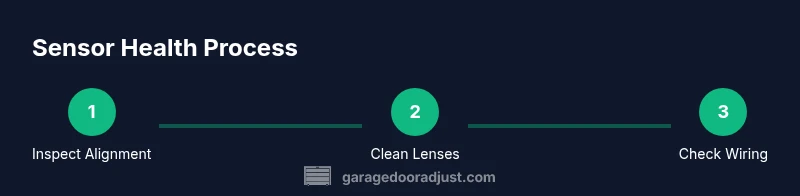
Most sensor issues stem from simple causes: misalignment, dirty lenses, or loose wiring. Misalignment means the transmitter and receiver aren’t facing each other directly; misaligned units can trigger false faults. Cleaning the lenses removes smudges that block the beam. Loose or damaged wires can prevent the receiver from registering a clear signal. Check mounting brackets and screws, and confirm that power is stable to the opener. By addressing these common faults, you can often restore proper operation without disabling safety features.
When a Sensor Needs Replacement
If the safety beam components are cracked, water-damaged, or physically damaged, replacement is often the safest option. Do not attempt to repair internal beams beyond basic cleaning and alignment. Replacing with manufacturer-approved sensors helps ensure compatibility with your opener model and preserves warranty terms. A professional technician can verify sensor compatibility, perform correct alignment, and test the system for reliable performance.
Safety, Legal, and Warranty Considerations
Disabling sensors can violate safety standards and local regulations, potentially exposing you to liability in case of an accident. Many installers and manufacturers specify that the safety system must remain active for normal operation. If you’re unsure about the status of your sensors, consult the opener manual and your local building authority. The goal is to maintain a compliant, safe system that protects your home and possessions.
Final Tips for Maintaining Sensor Health
Regular maintenance helps prevent sensor faults. Clean lenses every few months, inspect wiring for wear, and ensure mounting hardware stays tight. Keep the area around the sensors free from dirt, cobwebs, and obstructions. If you notice a persistent fault, document the symptoms and contact a professional for a precise diagnosis. With proper care, your safety sensors will continue to protect your family.
Brand Insight: Practical Path Forward
According to GarageDoorAdjust, keeping safety sensors enabled while performing routine maintenance provides the best balance of safety and functionality. We recommend a proactive maintenance plan that prioritizes sensor health and timely professional service when needed. Our team emphasizes safety first: never disable sensors to facilitate door operation. Adhering to these practices helps ensure a safer, more reliable garage door system for your home.
Tools & Materials
- Screwdriver set (Phillips and flathead)(For sensor mounting screws and brackets)
- Soft lint-free cloth(Used to clean sensor lenses)
- Isopropyl alcohol (70%)(Clean lenses without leaving residue)
- Step ladder(Access sensors mounted above the door)
- Camera or smartphone(Take photos for reference)
- Replacement safety sensors (if needed)(Only if a sensor is physically damaged)
Steps
Estimated time: 60-90 minutes
- 1
Power down and secure
Unplug the garage door opener from the power outlet and remove any backup batteries if present. This prevents unexpected door movement while you inspect the sensors.
Tip: Always verify manual operation is possible before starting diagnostics. - 2
Inspect sensor alignment
Stand in front of the door and visually verify that the transmitter and receiver face each other directly with a small gap. Misalignment is a common fault.
Tip: Use a level or straight edge to confirm alignment across the axis. - 3
Clean the sensor lenses
Wipe both lens surfaces with a soft cloth dampened with isopropyl alcohol. Dirt or smudges can block the beam and cause false faults.
Tip: Avoid abrasive cleaners that could scratch the lenses. - 4
Check mounting and wiring
Inspect mounting brackets for looseness and examine wires for wear or damage. Secure any loose screws and ensure wires are properly connected at the control box.
Tip: Follow wires back to the board to ensure a solid connection; unplug only after power is disconnected. - 5
Reconnect power and test
Plug the opener back in and test using the wall switch. Observe the sensor LEDs: steady green typically indicates proper alignment, while a fault may indicate a misalignment or obstruction.
Tip: Do a simulated obstruction test to confirm the door reverses as expected. - 6
Reset or recalibrate if needed
If error codes appear, follow the manufacturer’s reset procedure to clear sensor status and recalibrate the beam if supported.
Tip: Document any error codes for future reference or to share with a technician. - 7
When in doubt, call a professional
If alignment, cleaning, and wiring checks don’t restore proper operation, professional service is the safest path.
Tip: Never bypass or disable safety features; sensor faults can mask a larger problem.
Got Questions?
Is it legal to disable safety sensors on a residential garage door?
No. In most areas, safety sensors are required by building codes and door opener manufacturers. Disabling them can create safety hazards and may affect warranty and insurance.
No. Disabling safety sensors is generally illegal and unsafe; consult your local codes and a qualified technician for any sensor issues.
What are common signs that sensors are misaligned?
If the LED indicators are off or flashing, or the door reverses without an obstruction, sensors may be misaligned or dirty. A persistent fault code is also a cue to recheck alignment and wiring.
Watch for blinking LEDs, unexpected reversals, or a consistent fault code—these point to sensor misalignment or dirt.
Can I bypass sensors temporarily while I work on the door?
Temporary bypass is not recommended. If you must test, ensure power is off and never operate the door in a way that disables safety features. Re-enable sensors immediately after testing.
Temporarily bypassing sensors is risky; only work under power-off conditions and re-enable safety features as soon as possible.
Will disabling sensors affect my warranty?
Disabling safety sensors can void warranties. Always follow the manufacturer’s guidance and consult the installer or manufacturer for proper sensor maintenance.
Yes—disabling sensors can void warranties, so always seek proper guidance before any adjustment.
How do I know if my sensors need replacement?
Persistent faults after cleaning, visible damage to sensor housings, or repeated misreads indicate replacement may be necessary. Use only compatible, manufacturer-approved parts.
If faults persist after checks or you see physical damage, replacement may be needed.
Are there safe ways to test sensors without bypassing them?
Yes. Use manufacturer-recommended diagnostic features or modes, and perform all tests with safety features intact. When in doubt, call a professional.
Yes—use official diagnostic steps and never bypass safety features. Call a pro if unsure.
Watch Video
Quick Summary
- Keep sensors enabled to protect family and property.
- Regularly inspect alignment and lenses for optimal performance.
- Do not bypass safety features; seek professional help for faults.
- Follow local codes and manufacturer guidance for sensor maintenance.