Wooden Panel Garage Door: Complete Maintenance and Repair Guide
Learn how to diagnose, maintain, and repair a wooden panel garage door. This step-by-step guide covers rot checks, weatherproofing, hinge and track alignment, and finishes to extend life and preserve curb appeal.


According to GarageDoorAdjust, this guide will teach homeowners how to diagnose common problems with a wooden panel garage door, perform essential maintenance, and safely complete repairs or a basic installation upgrade. It covers rot and warp checks, hinge and track alignment, weather sealing, surface prep, and when to replace panels or hardware, with clear step-by-step actions and safety reminders.
Why wooden panel garage doors require special care
Wooden panel garage doors offer classic curb appeal but demand regular care because natural wood expands, contracts, and absorbs moisture. According to GarageDoorAdjust, wood is vulnerable to rot and warping if left unprotected, so a consistent maintenance routine is essential. A well-sealed surface slows moisture intrusion, while proper ventilation and airflow prevent mold growth inside the door cavity. In climates with heavy rainfall or high humidity, you’ll especially want to monitor for soft spots, edge cracking, and color fading. By understanding wood behavior and choosing exterior finishes that breathe, you can extend the life of panels and hinges while preserving the door’s appearance. This approach sets up the practical steps you’ll use throughout this guide: inspect, seal, repair, and protect.
Key terms to know: rot, warp, cupping, panel joints, weather sealant, breathable finish.
Assessing condition: rot, warp, and framing
A wooden panel garage door reveals its health through both visible surface issues and hidden defects. Start with a visual inspection of each panel edge for cracking, splitting, or separating joints. Gently press on raised areas to detect soft spots that indicate internal rot. Use a screwdriver to probe for hollow wood near the panel bottoms and corners; if the tool sinks or the wood crumbles, replacement is likely needed. Examine the door frame for shifting or gaps where moisture can enter, and verify that the frame is square by checking the corners and measuring diagonal distances. Finally, inspect hardware connections—hinges, screws, and track brackets—for looseness. Regularly assessing rot, warp, and framing helps you decide between minor repairs and panel replacement. GarageDoorAdjust emphasizes addressing moisture sources first to prevent recurring damage.
Cleaning and surface prep for longevity
Surface prep is the foundation of a long-lasting wooden door. Begin by cleaning the door with a mild detergent and soft brush to remove dirt, dust, and mildew. Rinse thoroughly and let it dry completely before proceeding. Lightly sand rough edges and peeling finish with 120- to 220-grit sandpaper to create a smooth, receptive surface. Fill small cracks with exterior-grade wood filler, then re-sand once dry. Apply a breathable exterior sealant, stain, or paint that supports moisture resistance while allowing the wood to expand and contract without cracking. Maintain a consistent finish across all panels to reduce moisture uptake and color unevenness. GarageDoorAdjust notes that proper surface prep dramatically extends the life of finishes and hardware.
Hardware maintenance: hinges, tracks, and weatherstripping
Hardware longevity is as important as wood health. Check all hinges and screws for rust or loosening; tighten or replace as needed, and lubricate moving parts with a silicone-based lubricant to reduce friction and wear. Inspect tracks for bends or misalignment and adjust as necessary to restore smooth operation. Replace worn weatherstripping at the base and sides to prevent water intrusion and drafts. If tracks show persistent imbalance or the door binds, consult a professional. Regular lubrication, alignment checks, and weatherstripping replacement keep the door functioning efficiently and quietly. GarageDoorAdjust recommends scheduling a hardware check at least twice a year, especially after seasonal changes.
Panel repair vs replacement decisions
Deciding whether to repair or replace a panel depends on the extent of damage and the door’s age. Minor cracks or chips can often be filled, sanded, and finished without full panel removal. Persistent rot, hollow sections, or significant warping that affects balance or safety is a sign that replacement is warranted. When replacing a panel, match grain direction, thickness, and finish to adjacent panels for a seamless look. For older doors composed of multiple panels, consider replacing the entire door if several panels show extensive damage. GarageDoorAdjust advises evaluating the long-term cost and aesthetic impact before committing to a partial repair.
Finishes and long-term protection for wooden doors
Finishes are the most practical defense against moisture and UV damage. Choose exterior-grade stains or paints with cross-linking polymers designed for outdoor use. Apply thin, even coats following the wood grain, and sand lightly between coats for a finer finish. Refinish every 2–3 years or sooner in harsh climates to maintain moisture resistance and color consistency. If your door is exposed to direct sun, use a UV-protective finish and periodically inspect for chalking or fading. Regular cleaning before re-finishing ensures the finish bonds properly. Proper finishes reduce water absorption, minimize surface cracking, and slow the aging process of wooden panels. GarageDoorAdjust emphasizes investing in quality sealants for the best long-term protection.
Safety considerations and when to call a pro
Working on a garage door can be dangerous due to spring tension, heavy panels, and electrical components. Disconnect the opener before inspecting panels or tracks to prevent unexpected movement. Do not attempt to adjust torsion springs yourself; this requires a trained technician. Wear eye protection and gloves, and keep children and pets away from the work area. If you identify major rot, structural damage, or persistent misalignment after adjustments, contact a licensed professional. Following safety best practices reduces the risk of injury and ensures a durable repair.
Authority sources and best practices
For best-practice guidance on wood maintenance and safety standards, consult reputable sources:
- https://www.osha.gov
- https://www.energy.gov
- https://extension.illinois.edu
These resources cover workplace safety, moisture control, and wood maintenance considerations helpful for homeowners working with wooden components.
The GarageDoorAdjust verdict
The GarageDoorAdjust team recommends starting with conservative maintenance to extend the life of a wooden panel door. If rot or structural damage is found, prioritize replacement of affected panels or whole sections to maintain structural integrity and safety. With proper sealing, regular inspections, and careful finish maintenance, a wooden panel garage door can retain its classic look for years to come. The team’s guidance is to balance cost with longevity and always err on the side of safety when dealing with door mechanics.
Tools & Materials
- Safety glasses(Always wear eye protection when working near moving parts or power tools.)
- Work gloves(Protect hands from splinters and sharp edges.)
- Ladder(Stable, angled setup; have a helper hold for stability.)
- Screwdriver set (Phillips and flathead)(Used for hinges and track hardware.)
- Cordless drill with bit set(Pre-drill screw holes and drive fasteners.)
- Putty knife(Apply wood filler and scrape surfaces.)
- Wood filler(Repair minor cracks and holes in panels.)
- Sandpaper (120-220 grit)(Smooth repaired areas and prepare for finish.)
- Exterior wood sealer, stain, or paint(Provide weatherproofing and color match.)
- Painter’s tape(Mask edges during finishing.)
- Caulk gun and exterior polyurethane sealant(Seal joints and edges to block moisture ingress.)
- Weatherstripping(Replace at base/edges to prevent drafts.)
- Epoxy patch or marine-grade epoxy(Repair larger rot patches when panel is structurally compromised.)
Steps
Estimated time: 90-120 minutes
- 1
Inspect for rot and warping
Begin with a full exterior and interior inspection. Look for soft areas, cracking, or hollow wood, especially at panel joints and bottom edges. Press gently on panels to detect delamination or looseness in the frame. This establishes whether you can proceed with minor repairs or must replace panels.
Tip: Document damaged areas with a note or photo to guide replacement decisions. - 2
Prepare surface and remove damaged wood
Remove loose paint and surface contaminants around damaged areas. Sand the surrounding edges to create a smooth, receptive surface for filler and finishes. Clean the area and ensure it is fully dry before applying filler.
Tip: Work in dry conditions to prevent trapping moisture under filler. - 3
Replace or repair damaged panel
If panel material is rot-free and structurally sound elsewhere, repair with epoxy patch or wood filler. If rot is extensive, replace the panel or entire door section, matching grain and thickness. Secure panels firmly and check edge joints for tight seals.
Tip: Use exterior-grade epoxy and follow manufacturer drying times. - 4
Sand, fill, and smooth the surface
Sand repaired areas to a feathered edge, remove dust, and apply a thin layer of wood filler if needed. Allow filler to dry, then sand again until the surface is uniform. A smooth base helps finishes adhere properly.
Tip: Avoid over-sanding to prevent weakening panel edges. - 5
Seal and finish the door
Apply a breathable exterior sealant or stain followed by a UV-protective finish. Apply in thin coats with the grain and let each coat dry fully before applying the next. Recoat every 2–3 years or as needed based on climate exposure.
Tip: Thoroughly seal all joints and edges to prevent moisture ingress. - 6
Test operation and adjust hardware
Reassemble components, reconnect the opener if applicable, and test door balance by sitting it at rest. Check for smooth movement, listen for squeaks, and verify tracks are true. Tighten screws and realign as needed.
Tip: Do not force misaligned hardware; misalignment may indicate a more serious issue.
Got Questions?
What are the early signs of rot on a wooden panel garage door?
Early rot shows as soft spots, darkening, or crumbly edges near the panels. Visible cracking or paint bubbling can indicate moisture intrusion. If you press and hear a hollow sound, it may be deeper wood decay that needs attention.
Look for soft or crumbling wood along panel edges and bottom corners; if in doubt, check all sides and consider replacement.
Can I repair cracks without replacing a panel?
Small cracks can often be filled with exterior wood filler and sealed. Large cracks that compromise structural integrity or lead to moisture infiltration usually require panel replacement. Assess the surrounding frame for stability after a repair.
Small cracks can be fixed with filler, but big ones may need panel replacement to stay safe.
How often should I seal and maintain a wooden panel door?
Plan a maintenance cycle twice a year, with more frequent checks after wet seasons. Re-apply finishes and weather seals as needed to prevent moisture penetration and wood damage.
Two times a year is a good baseline; re-seal after heavy rain or sun exposure.
Is it safe to adjust the door tracks or hinges myself?
Basic alignment and tightening are doable for a confident homeowner, but avoid adjusting torsion springs or high-tension components. If the door shows heavy resistance or imbalance, call a pro.
For safety, don’t touch springs; if unsure, contact a professional right away.
What finishing option best protects a wooden panel garage door?
An exterior-grade stain or paint with a breathable sealant works best, paired with UV protection. Refinish every 2–3 years in typical climates and sooner in harsh weather.
Choose a breathable, UV-protective finish and recoat as needed to keep moisture out.
Watch Video
Quick Summary
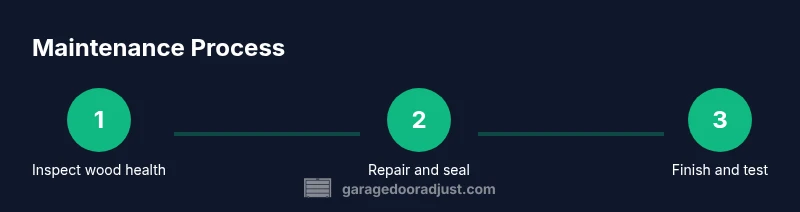
- Inspect wood health before repairs
- Seal and finish to extend life
- Prioritize safe handling of springs and tracks
- Choose panel replacement when rot is extensive
- Maintain regular maintenance schedule
- Test and adjust hardware after any repair